
Venison has a rich, distinctive flavor that makes a roast feel different from an ordinary beef dinner. It’s especially satisfying when the meat is tender, the seasoning complements its natural character, and the finished slices stay pleasantly moist.
A good venison roast recipe needs to account for the fact that deer meat is generally leaner than many beef cuts. That makes moisture and texture especially important, particularly when preparing a larger roast.
This foil-wrapped venison roast is designed around a familiar oven-roasted presentation. The foil helps create a more enclosed cooking environment, although the final tenderness still depends on the cut, size, and cooking conditions.
Why Foil Wrapping Helps a Lean Venison Roast
Foil can help limit moisture loss from the immediate cooking environment and retain some of the juices released by the meat. That can be useful when working with a lean roast.
However, foil doesn’t automatically guarantee tender venison. A tough cut, unsuitable cooking conditions, or excessive heat can still produce disappointing results.
Moisture Matters with Venison
Venison is often relatively lean, which gives it a different mouthfeel from heavily marbled beef. A good roast should feel juicy enough to enjoy without relying entirely on gravy.
What Foil Changes
Foil creates a more enclosed environment than an uncovered roast. The exterior may therefore be softer and less browned than meat roasted directly in dry oven heat.
The actual recipe should determine the expected appearance and texture.
Choosing the Right Venison Roast Cut
Venison cuts vary in tenderness and structure. Some are naturally suited to relatively gentle roasting, while others contain more connective tissue and benefit from cooking methods designed for tougher meat.
The specific cut in the recipe card is important because not every deer roast behaves the same way.
Shoulder and Leg Roasts
Shoulder and leg cuts can differ in connective tissue, muscle structure, and tenderness. The finished texture depends on the exact muscle and cooking approach.
Why Roast Size Matters
A thick roast behaves differently from a smaller, thinner piece of meat. Its shape and weight affect how the center responds to heat.
Avoid relying on a single cooking time for every venison roast. The tested recipe and a food thermometer are more reliable guides.
How to Keep Venison Moist and Flavorful
Venison has a recognizable earthy, savory flavor that many people enjoy. The goal is to complement that character while keeping the meat pleasant to eat.
A good roast shouldn’t be so dry that it crumbles into tough fibers. Nor should it have a mushy texture that hides the meat’s natural structure.
Avoiding Dry, Tough Meat
Dryness can be particularly noticeable in lean cuts. A roast that’s tough to chew may have been cooked under conditions that don’t suit its structure.
A flavorful sauce can help at the table, but it can’t fully reverse a dry texture.
How Cut and Size Affect Results
The same cooking approach may produce different results with different venison cuts. Larger roasts and connective-tissue-rich cuts have different needs from smaller, naturally tender pieces.
That’s why matching the original recipe to the correct cut matters.
Flavor Pairings for Venison
Venison pairs naturally with savory herbs, garlic, onions, mushrooms, and earthy vegetables. These flavors can complement the meat without covering up its distinctive character.
Fruit-based sauces and tart accompaniments are another familiar pairing because their acidity can contrast with venison’s richness.
These are serving and variation ideas, not claims about the ingredients in the original roast.
Common Venison Roast Problems
Why Is My Venison Roast Tough?
Toughness may be related to the cut or cooking conditions. Some muscles contain more connective tissue, while leaner cuts can become dry when cooked beyond their ideal texture.
Why Does the Roast Taste Strong?
Venison has a distinctive flavor that varies with the animal’s diet, age, and handling. Wild venison may taste different from farm-raised venison.
Why Isn’t the Outside Brown?
Foil retains moisture around the meat, which can limit the dry surface conditions associated with browning. A softer exterior may be normal for a foil-wrapped roast.

What to Serve with Roast Venison
Mashed potatoes are a natural accompaniment because their creamy texture pairs well with savory meat. Roasted carrots, green beans, and mushrooms also work beautifully.
For a hearty dinner, serve venison with a rustic bread or another potato side. A bright salad can provide contrast to the meat’s rich flavor.
Leftovers, Refrigeration, and Reheating
Venison leftovers can be useful for sandwiches and other meals, although lean meat may become firmer after refrigeration.
Refrigerate promptly at 40°F or below and use within three to four days. Keep the meat covered and reheat leftovers thoroughly to 165°F.
Cooked venison can also be frozen, but its texture may change after thawing.
Frequently Asked Questions
What Cut Is Best for a Venison Roast?
The best cut depends on the cooking method and desired texture. Shoulder, leg, and other roast cuts have different characteristics, so use the cut specified in the tested recipe.
Can I Use Wild or Farmed Venison?
Both can be used in suitable recipes, but their flavor, leanness, and tenderness may differ. Wild game also requires careful field handling and food-safety practices.
How Do I Know Venison Is Safely Cooked?
Use a food thermometer rather than relying on color. For whole cuts of venison, USDA guidance recommends an internal temperature of 160°F; verify the guidance appropriate to the meat’s source and the recipe.
Can I Make This Roast Ahead?
Yes, although the meat may become firmer during storage. Proper refrigeration and careful reheating help preserve quality.
Final Thoughts
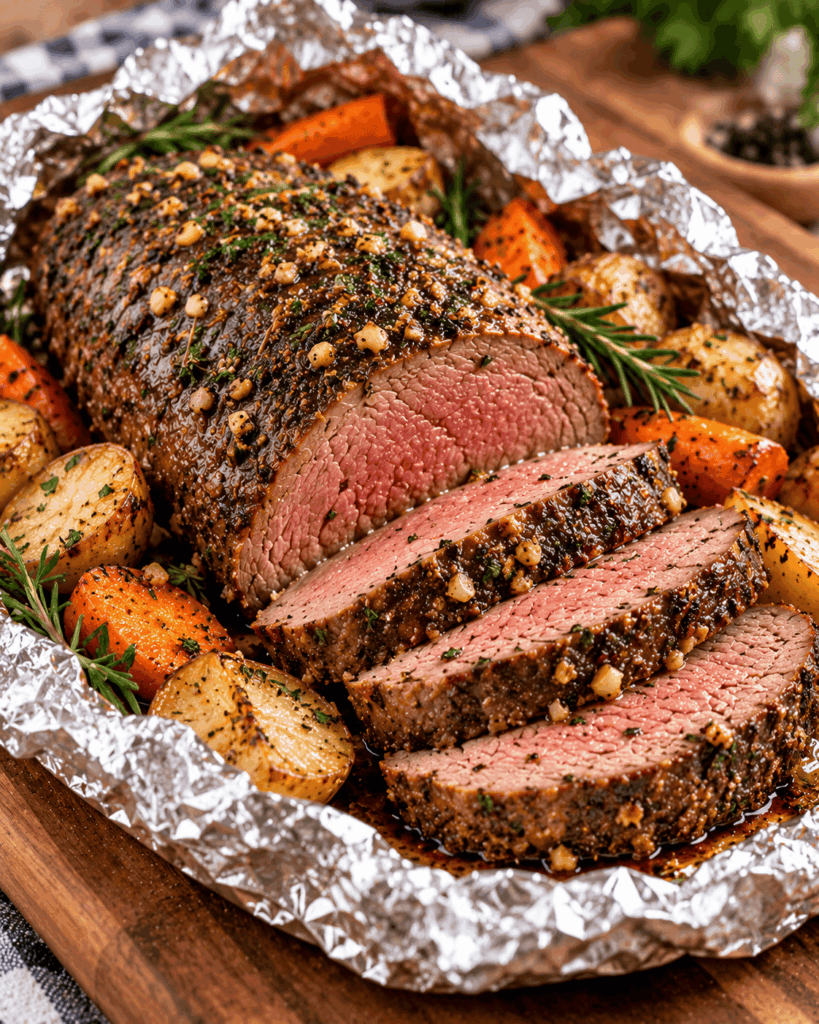
Tender Foil-Wrapped Venison Roast is a satisfying choice when you want a hearty dinner with distinctive flavor. The foil-wrapped style offers a moist cooking environment, while the cut and cooking conditions determine the final tenderness.
The best version is flavorful, pleasantly moist, and easy to enjoy with potatoes and vegetables. It’s a rustic dinner that deserves a place on the table during colder months.
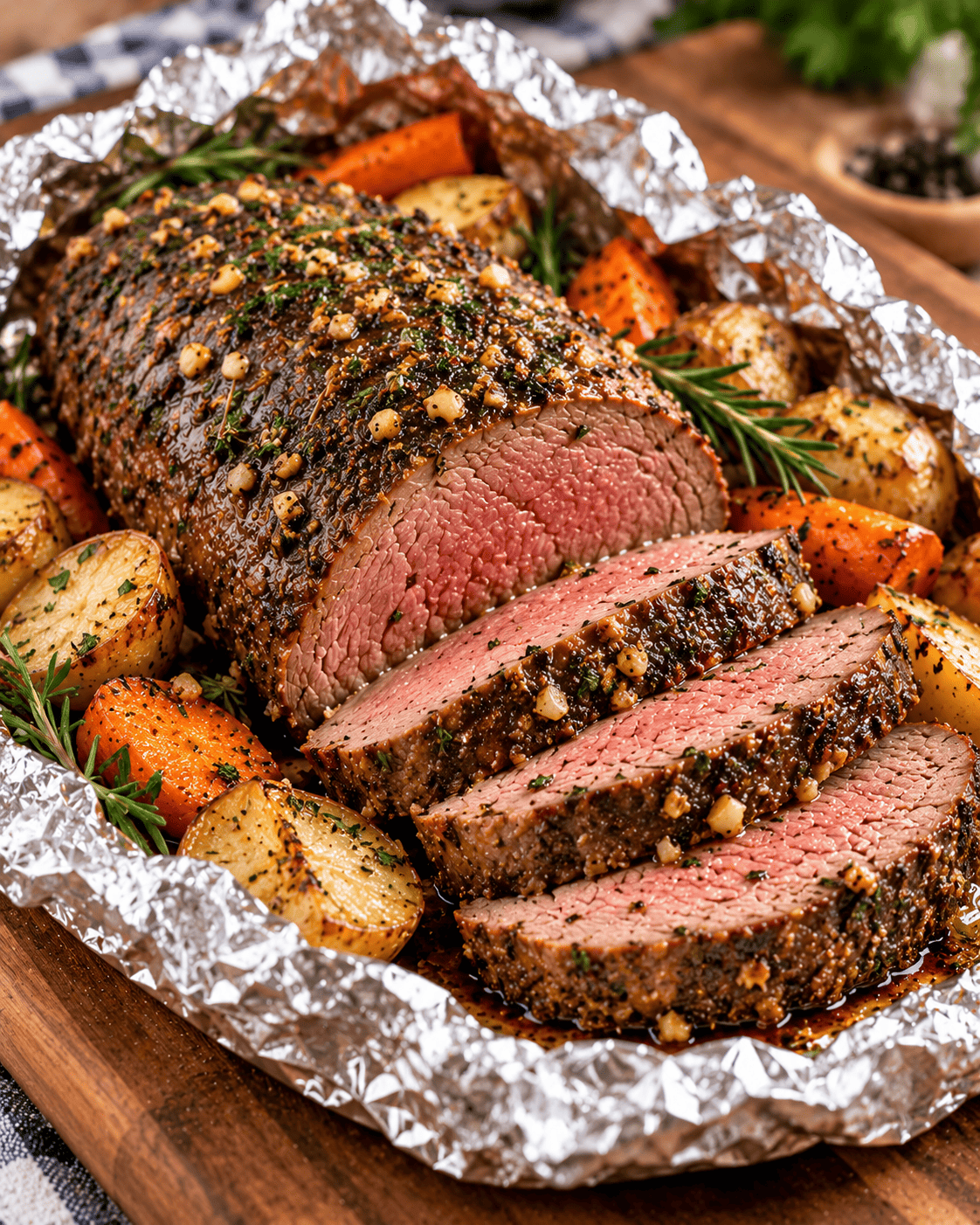
Tender Foil-Wrapped Venison Roast
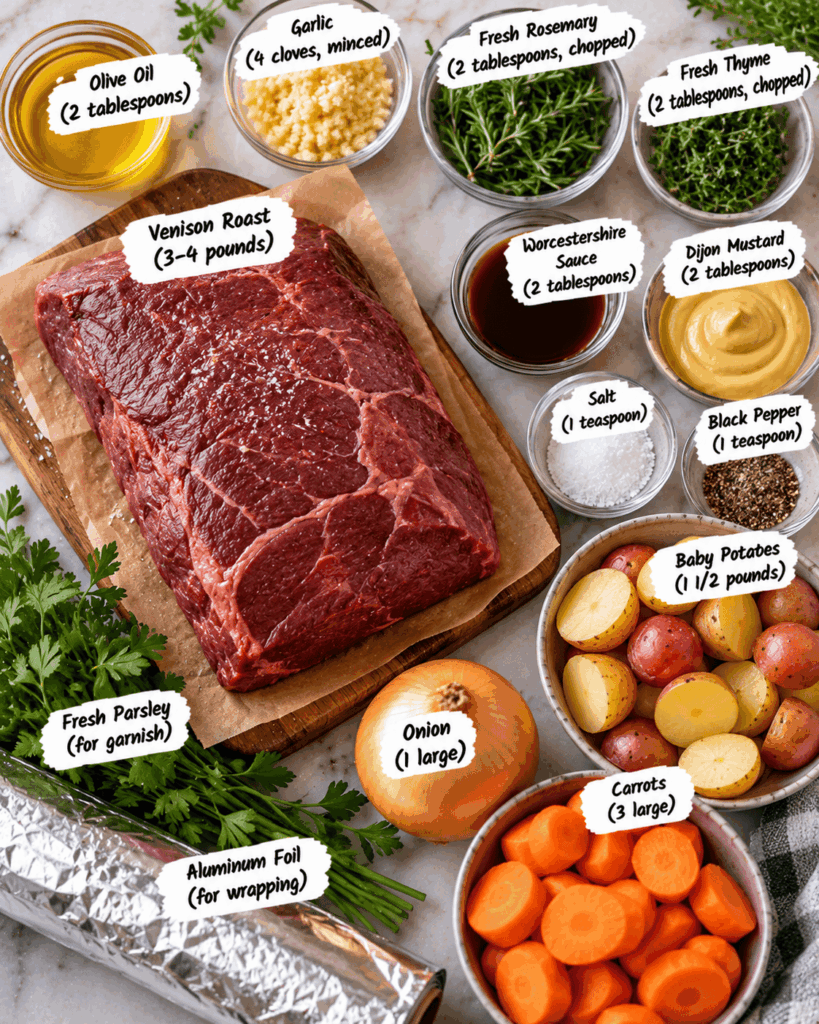
Ingredients
Method
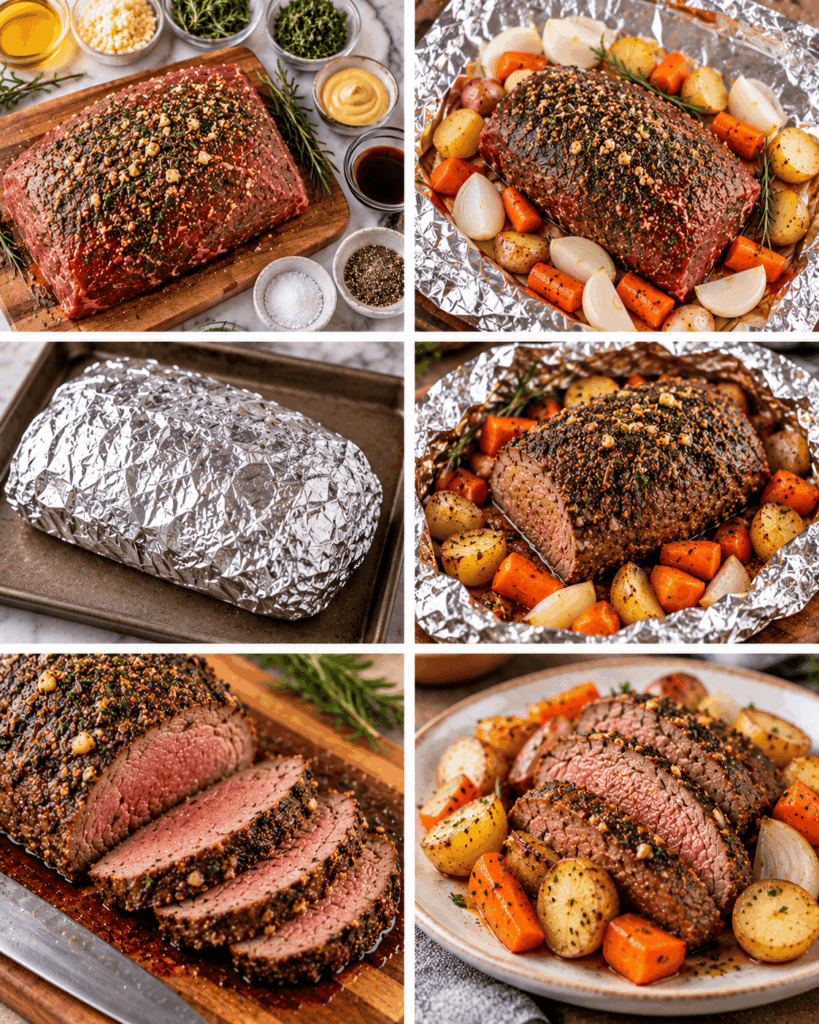
- Preheat the oven to 350°F (175°C).
- Rub the venison roast with olive oil, and season it with salt, black pepper, and minced garlic.
- Place the roast in the center of a large piece of heavy-duty aluminum foil.
- Pour beef broth around the roast and wrap it tightly in the foil.
- Place the wrapped roast in a roasting pan and bake in the preheated oven for about 2 hours or until the internal temperature reaches 160°F (70°C).
- Remove from the oven and let the roast rest in the foil for 10-15 minutes before unwrapping.
- Slice the venison roast and serve with mashed potatoes and vegetables.
- Enjoy with rustic bread for a complete meal.