

There are some chicken dinners you remember for the sauce. Chicken Marbella is one of those dishes, with a unique combination of rich, savoury flavours and contrasting notes that make it feel more sophisticated than simply baked chicken.
The best Chicken Marbella is tender, flavorful chicken with a sauce that tastes balanced, not too sweet, not too salty, and not too sharp. It’s a dish that has enough personality to be served at a dinner party, but is still familiar enough with the chicken base to be approachable for a family meal.
The Silver Palate Cookbook made Chicken Marbella famous and its unique flavour combination made it a favourite for entertaining. Since then, many home cooks have developed their own versions, so it’s important to distinguish a classic-style recipe from the exact original.
Chicken Marbella: What Is It?
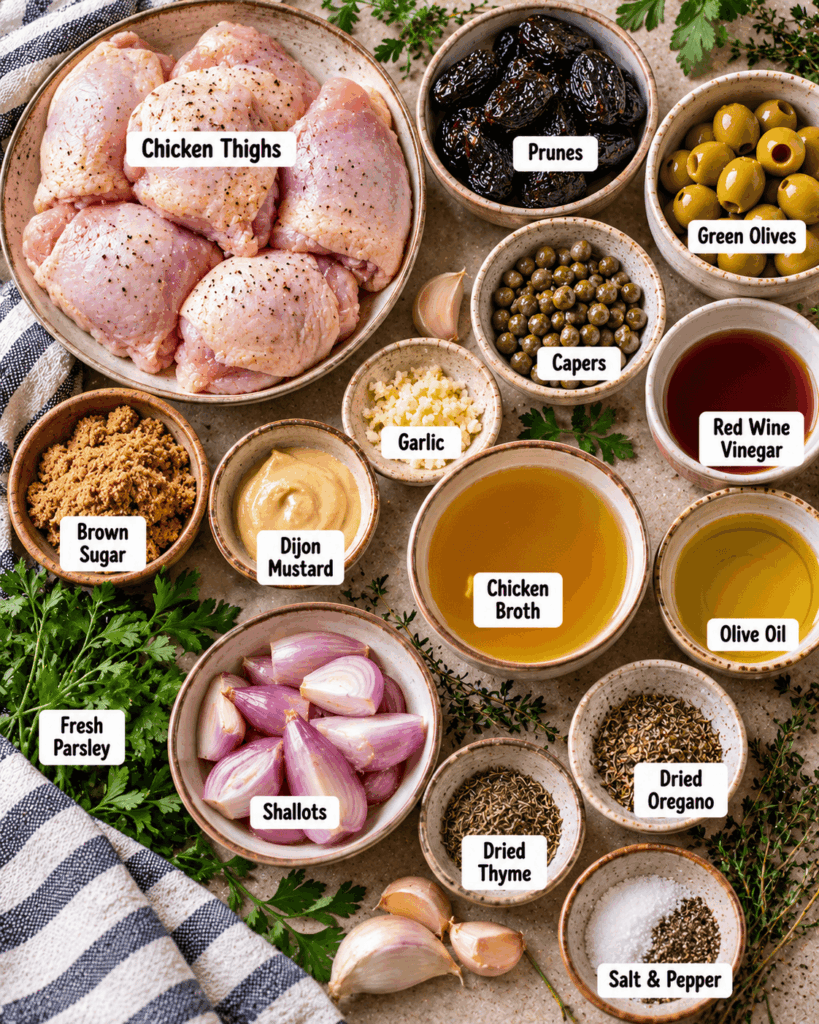
Chicken Marbella is a savoury chicken recipe known for its distinctive combination of sweet and briny flavours. Some of the ingredients in the famous Silver Palate version include prunes, olives and capers that give the dish its recognisable personality.
The popular cookbook recipe is an American creation based on Mediterranean flavours, although it’s named for Marbella, Spain. It should not be taken as a traditional Spanish regional recipe.
Link to The Silver Palate
Chicken Marbella was ubiquitous when it appeared in The Silver Palate Cookbook by Julee Rosso and Sheila Lukins. The familiar chicken paired with the less-expected sweet and salty flavours made it a dinner party favourite.
That may be a modern Chicken Marbella recipe, but it’s not a reproduction of that classic. And unless the original recipe is verified it should not be called the official Silver Palate version.
The sweet, savoury and briny flavour profile
What makes Chicken Marbella different from other chicken dishes is the contrast of flavours. The sweet and briny components add complexity to a savoury chicken base to make a more complex finished dish.
A good version should be balanced. The sweetness should not make the chicken taste like a dessert and the salty elements should not overpower the sauce.
Why Opposing Flavours Work
The sharpness or saltiness can be balanced out by a little sweetness, while a briny ingredient can keep a rich chicken dish from getting too heavy. Together, they make a mix that keeps each bite interesting.
The final sauce should still taste like something that goes with chicken. The idea is not to let any one flavour take over; it’s about balance.
How This Dish is Different From Regular Baked Chicken
Most baked chicken recipes focus on herbs, garlic or a simple savoury sauce. But Chicken Marbella is special because it has a wider array of flavours.
The result can be both familiar and surprising. The chicken is still the star of the show, but the sauce is what makes this dish special.
Our Favourite Dinner Party Dish
Chicken Marbella is a good dish to entertain with because it has a unique flavour profile and looks good. It’s a bit more thoughtful than a plain chicken dinner.
That doesn’t mean it needs fancy side dishes. Simple accompaniments tend to work best, as the sauce already has plenty of character.
Picking Chicken Parts & Managing Moisture
The texture is dependent on the cut of chicken. Dark meat is generally more flavorful and can remain juicy under various cooking conditions . Lean breast meat is more susceptible to overcooking .
Bone-in and boneless pieces have different behaviours too. Use the cut specified in the recipe to set your expectations for texture and serving.
Importance of Chicken Cut
A dish might have a delicious sauce, but if the chicken is dry it will still taste disappointing. The meat should be tender enough to eat without a problem.
No matter what cut the recipe calls for, chicken should be cooked to an internal temperature of at least 165° F.
Making The Sauce Pleasant
As the chicken cooks it will release moisture, and that liquid can influence how thick the sauce is. The end product should be saucy enough to go with the meat, but not watery.
The original recipe’s intended consistency is the best reference.
How to Keep Chicken Tender and Balance the Sauce
A good Chicken Marbella begins with tender chicken. The meat should be juicy but not in the least undercooked, and the sauce should enhance it, not cover up its flavour.
The sweet and briny nature of the dish demands attention as well. Too much of either can make the final product seem unbalancing.
How to Prevent Dry Chicken
Cooked chicken can be tough and stringy. That texture is especially obvious in a dish where the sauce is meant to make every mouthful pleasurable.
It’s more reliable to test a recipe and use a food thermometer than to estimate doneness by appearance alone.

Don’t Over-Sweeten the Sauce
Sweetness is part of the classic Chicken Marbella profile, but should be balanced with savoury and briny flavours. If the sauce is too sweet it will drown out the chicken.
Complicated but not ponderous. The best.
Flavour Notes: Prunes, Olives and Capers
The classic Silver Palate recipe is closely associated with olives, prunes, and capers. They all add a different flavour or texture but should only be listed as ingredients in this particular recipe if they are listed in the recipe card.
Prunes and Sugariness
Prunes can add a deep fruit sweetness that regular sugar just doesn’t have. They’re soft and provide a contrast to the chicken too.
In a well-balanced dish, that sweetness should be supporting the savoury flavours, not the other way around.
Olives and Salty Taste
Olives give a salty and distinctive savoury note. In particular, their flavour can be pronounced in a dish containing sweet ingredients.
Substitutions are not always neutral. Different varieties of olive can give different results.
Spice & Caper
Capers add a bright, briny zing. They have a strong flavour, so they can have a strong impact on the final sauce.
It’s up to the original recipe whether they belong in the dish.
Ideas for Dinner or Entertaining
Chicken marbella pairs best with simple sides so the sauce can shine. A mild base of rice, couscous or roasted potatoes, with green vegetables for freshness.
A crisp salad and a meaty side dish can make a complete dinner party meal. The chicken is flavorful enough that you don’t need to get too complicated with the sides.
A Well-balanced Dinner Plate
A mild grain or potato side complements flavorful chicken sauces. Provides contrast without adding another strong flavour profile.
Green beans, broccoli or a simple salad can complete the meal.
Alternates and Substitutes
Modern recipes for Chicken Marbella vary in sweetness, briny ingredients and chicken cuts. Those differences can make for fun versions, but they do change the nature of the dish.
Any variation should still retain the balance that makes Chicken Marbella recognisable. Several signature flavours may be substituted for a delicious chicken dinner, but it may no longer be what readers expect from the name.
Storage, Make Ahead and Reheating
Chicken Marbella can work well for advance meal planning, though the texture of the chicken and sauce may change a bit during storage. The flavours might taste more integrated after refrigeration.
Refrigerate cooked chicken at 40 °F or below and use within three to four days. Keep in a covered container with its sauce to maintain quality.
To ensure safety, reheat leftovers to 165°F. Some versions may freeze, but the fruit and other sauce ingredients may change texture when thawed.
Chicken Marbella: Frequently Asked Questions
Chicken Marbella: Should it be served hot or cold?
Chicken Marbella is often served warm, but some people like to serve it at room temperature for parties. Chicken that will spoil must be handled safely and should not be left out longer than the recommended time without refrigeration.
Can You Make Chicken Marbella Ahead of Time?
Many versions are good for entertaining and make-ahead meals. The best time depends on the original recipe and the chicken cut used.
What to Eat with Chicken Marbella?
Rice, couscous, roasted potatoes and green vegetables are all good choices. Light sides help balance the dish’s distinctive sweet and briny flavours.
Conclusion
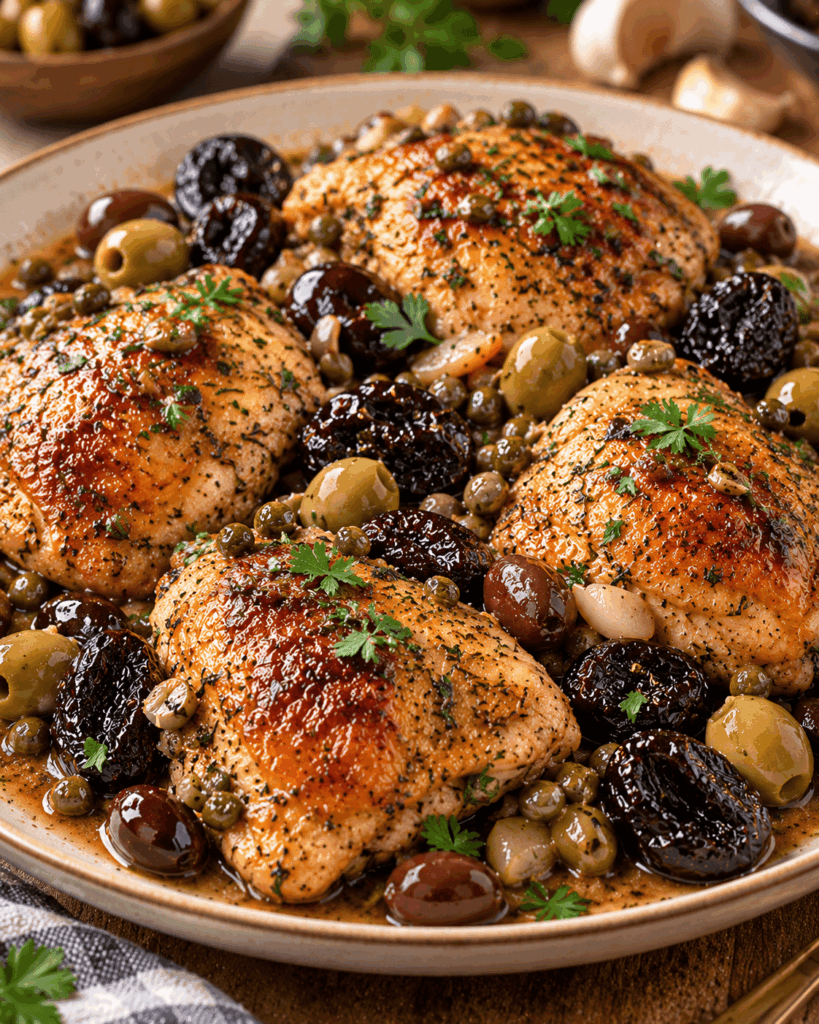
Classic Chicken Marbella is a chicken dinner you won’t forget for its unusual balance of flavours. Savoury chicken, sweetness and briny accents come together to make something that feels special without requiring elaborate sides.
The best version lets the chicken stay tender and the sauce balanced, so that the contrasting flavours can play off each other. It’s a nice choice for family dinners and when you want to serve something a little different.
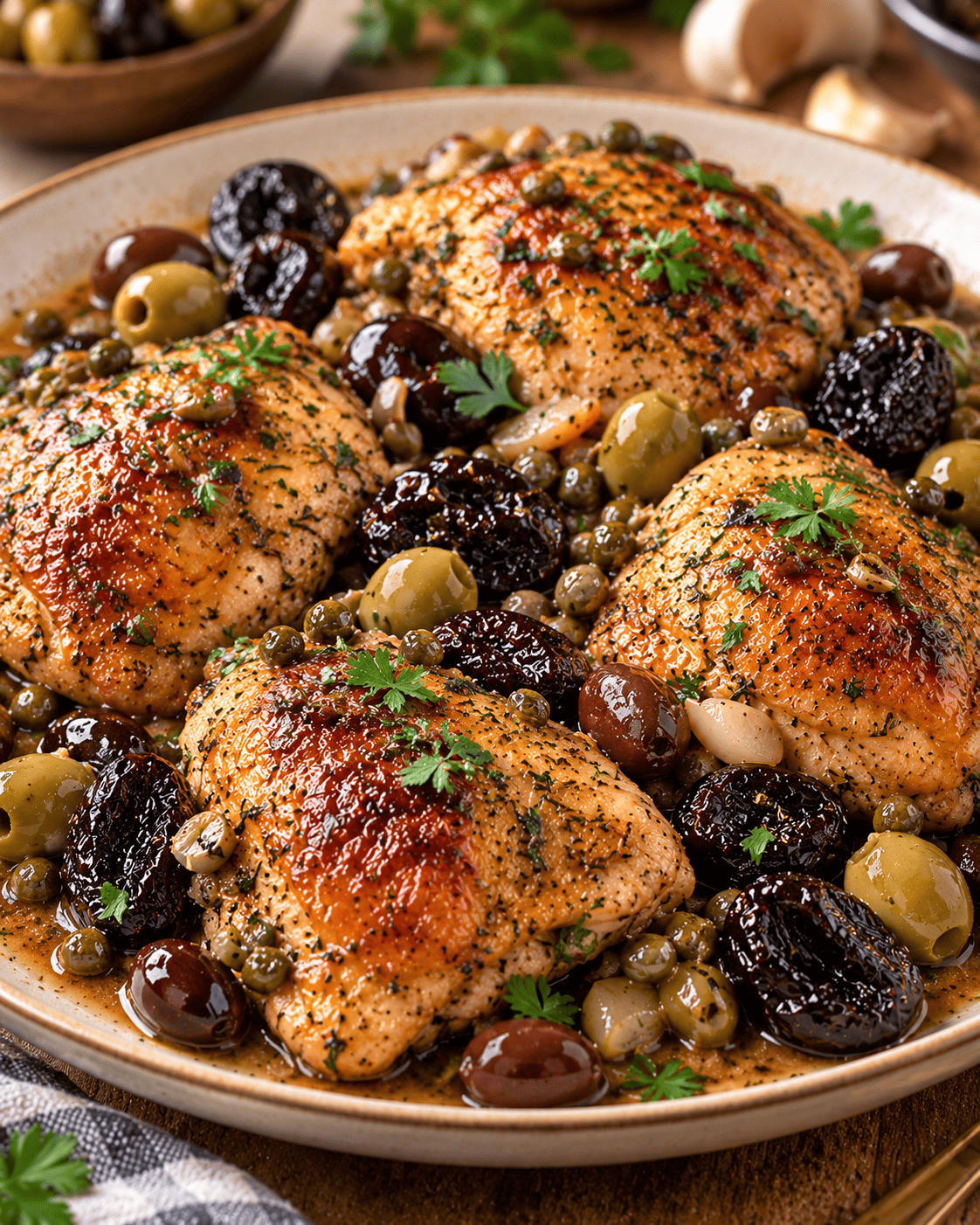
Chicken Marbella
Ingredients
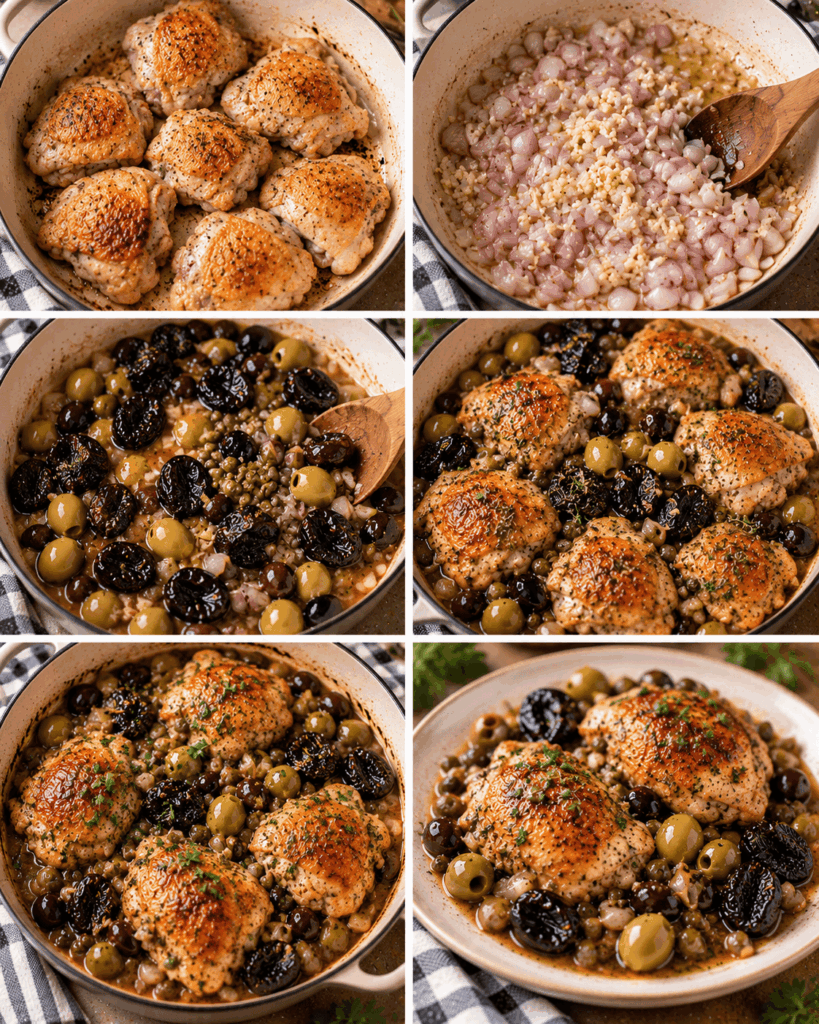
Method
- Preheat your oven to 375°F (190°C).
- In a large bowl, mix together olive oil, red wine vinegar, and brown sugar.
- Add chicken pieces to the bowl, coat them well with the marinade, and set aside for at least 30 minutes.
- Place marinated chicken in a roasting pan and scatter prunes, olives, and capers on top.
- Pour chicken broth over the chicken.
- Bake in the preheated oven for 45-60 minutes or until the chicken reaches an internal temperature of 165°F (75°C).
- Baste the chicken with the sauce occasionally during cooking.
- Let the chicken rest for 10 minutes before serving.
- Serve with rice, couscous, or roasted potatoes.