

Cauliflower has a reputation for being mild, but give it a crisp, golden exterior and it becomes a completely different kind of side dish. The edges develop a deeper, nuttier flavor, while the inside stays tender enough to enjoy without feeling mushy.
That’s the appeal of a good crispy cauliflower recipe. It turns an everyday vegetable into something you might happily snack on straight from the serving plate. Whether the recipe is roasted, baked with a coating, air-fried, or fried, the goal is the same: a flavorful exterior with enough crunch to make every bite interesting.
The biggest enemy is moisture. Cauliflower contains plenty of water, and when that moisture collects around the florets, the result can be soft rather than crisp. Understanding why that happens makes it easier to recognize what a successful batch should look and feel like.
What Makes Cauliflower Crispy?
Crisp cauliflower depends on what happens at its surface. Browning creates flavor, while moisture loss helps the outside develop a firmer texture.
Different recipes achieve that result in different ways. Roasted cauliflower develops browned edges, while breaded cauliflower may have a distinct crunchy coating. Fried and air-fried versions can produce still another texture.
Those methods aren’t interchangeable. A recipe designed for breaded cauliflower behaves differently from one that relies on direct browning of the vegetable.
The ideal result should have enough contrast between the exterior and interior. Cauliflower that’s crisp outside but completely dried out inside isn’t especially pleasant, either.
Choosing and Preparing Cauliflower for the Best Texture
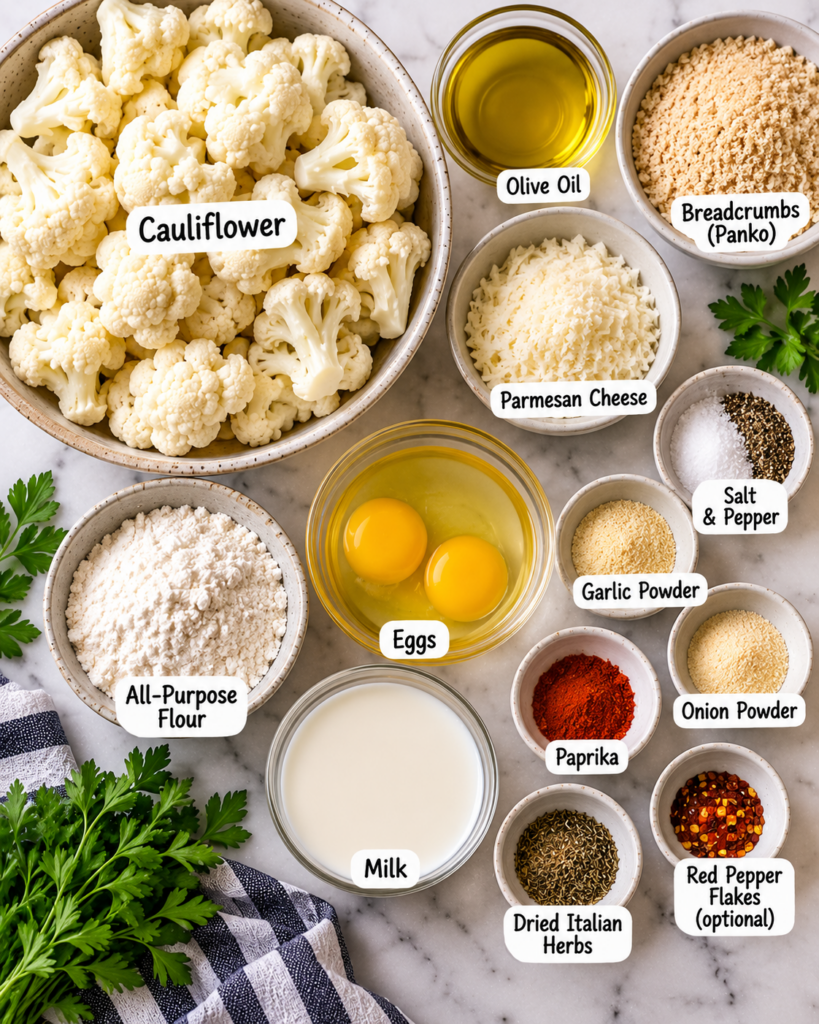
Fresh cauliflower should have firm florets without major soft or discolored patches. A compact head is usually easier to work with than one that’s already becoming loose or wilted.
Floret size affects texture. Very large pieces can remain firm inside while the outside browns, whereas tiny pieces may become dry before they develop the texture you want.
Consistency is helpful because pieces of similar size tend to cook more evenly. An assortment of very large and very small florets can produce mixed results.
The stems are edible, too, although their texture differs from the florets. Whether they’re included depends on the recipe and the finished appearance you’re after.
Cauliflower’s mild flavor is one of its strengths. It works with a wide range of seasonings, but the vegetable still needs enough browning or coating to make the texture interesting.
Tips for Crispy Cauliflower Without Sogginess
The difference between crisp and soggy cauliflower often comes down to how moisture behaves during cooking. Cauliflower releases water as it heats, and that moisture needs somewhere to go.
Crowding can be a problem in recipes that depend on browning. When pieces sit too closely together, they may steam rather than develop crisp edges.
A coating also needs the right consistency. Too much moisture can make breading heavy, while an unsuitable coating may fail to cling to the vegetable.
Why Moisture Matters
Water interferes with browning because the surface must lose moisture before it can develop a deeply golden exterior. That’s why wet cauliflower may take longer to crisp.
Frozen cauliflower is especially relevant here. It often releases more moisture after thawing than fresh cauliflower, which can affect the texture.
How to Prevent Soft Cauliflower
Soft cauliflower isn’t always a sign that the vegetable was cooked incorrectly. Some cooking methods naturally produce a tender result rather than a crisp one.
For a crispy version, the recipe needs to support surface browning or a crunchy coating. Excess moisture and prolonged storage can soften that texture.
Common Mistakes to Avoid
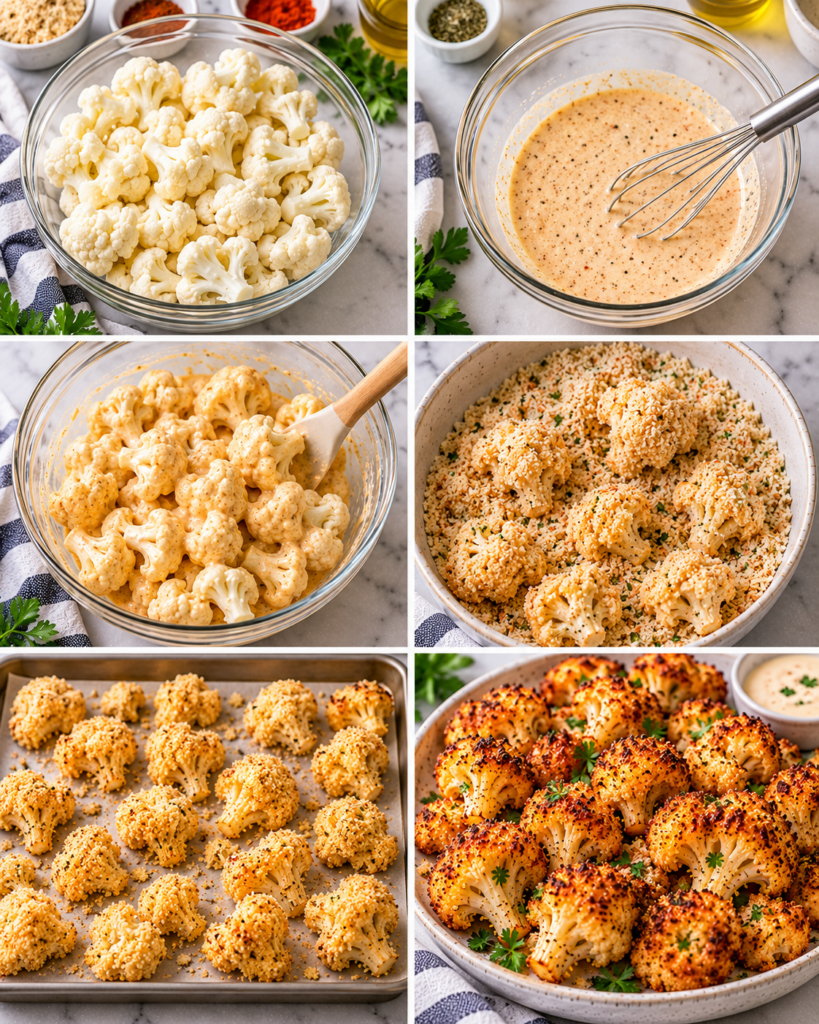
One common mistake is treating every cauliflower recipe as though it uses the same cooking method. Fried cauliflower, roasted cauliflower, and breaded air fryer cauliflower have different requirements.
Another is overlooking floret size. Pieces that vary widely in thickness may not develop the same texture at the same time.
Excess moisture can also cause problems, particularly with breaded recipes. A coating that’s too wet may become soft rather than crisp.
Finally, cauliflower often loses some crunch as it sits. A batch that tastes excellent immediately after cooking may become noticeably softer once covered or refrigerated.
Seasoning and Flavor Variations
Cauliflower’s mild flavor makes it particularly good with bold seasonings. Garlic and herbs create a savory character, while smoked paprika can add warmth and a deeper aroma.
Parmesan is another familiar pairing in recipes designed to include cheese. Its salty, savory flavor works well with browned cauliflower, although it changes the texture and may affect how the coating behaves.

For something spicier, a buffalo-inspired flavor can be appealing. However, wet sauces may soften a crisp coating, so the final texture depends on how the recipe is designed.
Lemon can brighten the flavor of cauliflower, especially when the finished dish is rich or heavily seasoned. A little acidity often makes the vegetable taste fresher.
The best variation should support the cauliflower’s texture rather than bury it beneath too much sauce.
Dipping Sauces and Serving Suggestions
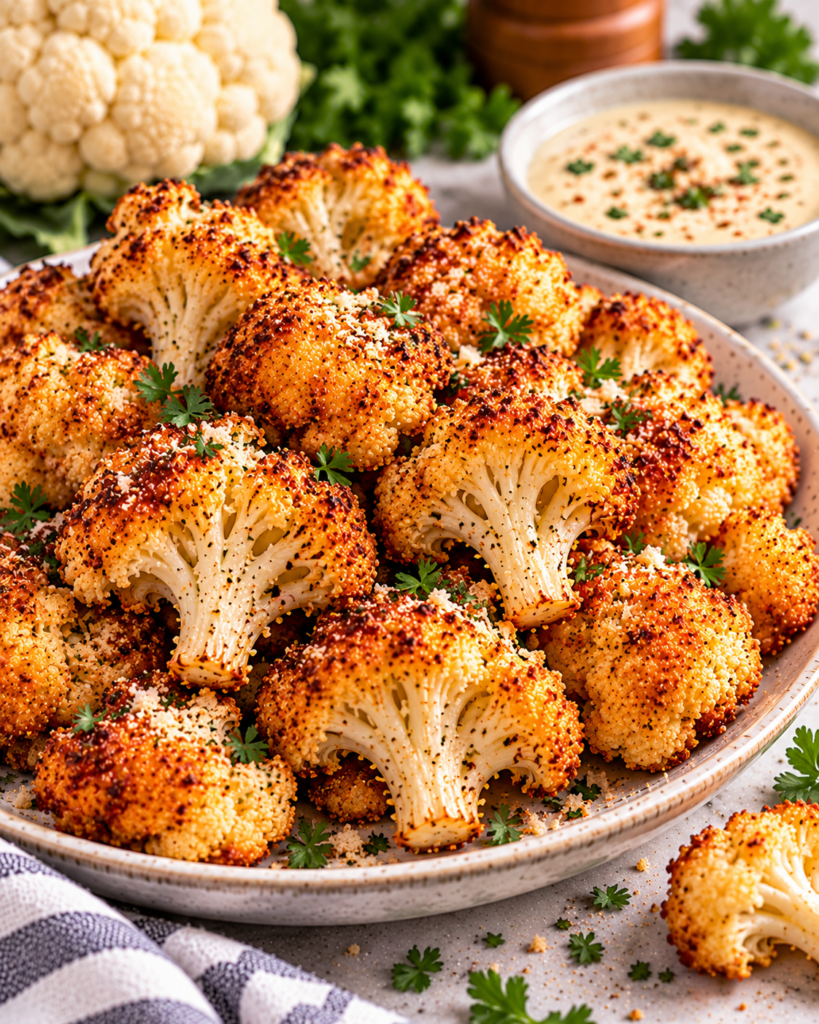
Crispy cauliflower makes a good appetizer because the florets are naturally bite-sized. A simple dipping sauce can turn them into a snack that’s easy to share.
Ranch dressing is a familiar option, particularly for spicy cauliflower. Its creamy, tangy flavor provides a contrast to a crisp exterior.
Garlic yogurt sauce can create a lighter finish, while a spicy mayonnaise-style dip offers something richer. The best choice depends on the seasoning already used.
As a side dish, crispy cauliflower pairs well with grilled meats, sandwiches, or a grain-based meal. It can also be served alongside other roasted vegetables, although its crisp texture is best appreciated while fresh.
How to Store and Reheat Crispy Cauliflower
Crispy cauliflower is usually at its best soon after cooking. Refrigeration traps moisture around the florets, and a crunchy coating can soften overnight.
Store leftovers promptly in covered containers at 40°F (4°C) or below. Properly refrigerated cooked vegetables are generally best used within three to four days.
Reheating may restore some surface texture, but it won’t necessarily make the cauliflower identical to a fresh batch. The result depends on whether the recipe is roasted, breaded, or fried.
Freezing cooked crispy cauliflower can affect the texture significantly. Ice crystals and thawing moisture may soften the vegetable and its coating.
Frequently Asked Questions About Crispy Cauliflower
Why Isn’t My Cauliflower Crispy?
Excess moisture, overcrowding, or a cooking method that doesn’t encourage browning can all contribute. Breaded recipes may also become soft if the coating contains too much liquid.
Can You Prepare Cauliflower Ahead?
Some preparation can be done ahead, but the finished crisp texture is generally best soon after cooking. The amount of advance preparation possible depends on the recipe.
How Do You Reheat Cauliflower Without Making It Soggy?
A reheating method that allows moisture to escape is usually better for crisp texture than one that traps steam. Follow the guidance for the specific cooking method used.
Can You Use Frozen Cauliflower?
Sometimes, but frozen cauliflower often releases more moisture and may become softer than fresh florets. A recipe developed for frozen cauliflower will give more predictable results.
Final Thoughts
Crispy cauliflower is a good reminder that vegetables don’t need complicated flavors to be satisfying. A golden exterior, tender center, and well-chosen seasoning can make cauliflower feel like something worth looking forward to.
The most important detail is moisture. Keep the texture in mind, choose a method suited to the recipe, and serve the cauliflower while its crisp edges are still at their best.
Crispy Cauliflower
Ingredients
Method
- Preheat your oven to 425°F (220°C).
- Remove the leaves from the cauliflower and cut the head into evenly sized florets.
- In a large bowl, toss the cauliflower florets with olive oil, salt, pepper, and any additional spices until evenly coated.
- Spread the cauliflower florets in a single layer on a baking sheet, ensuring they are not crowded.
- Bake in the preheated oven for 25-30 minutes, turning halfway through, until golden brown and crispy.
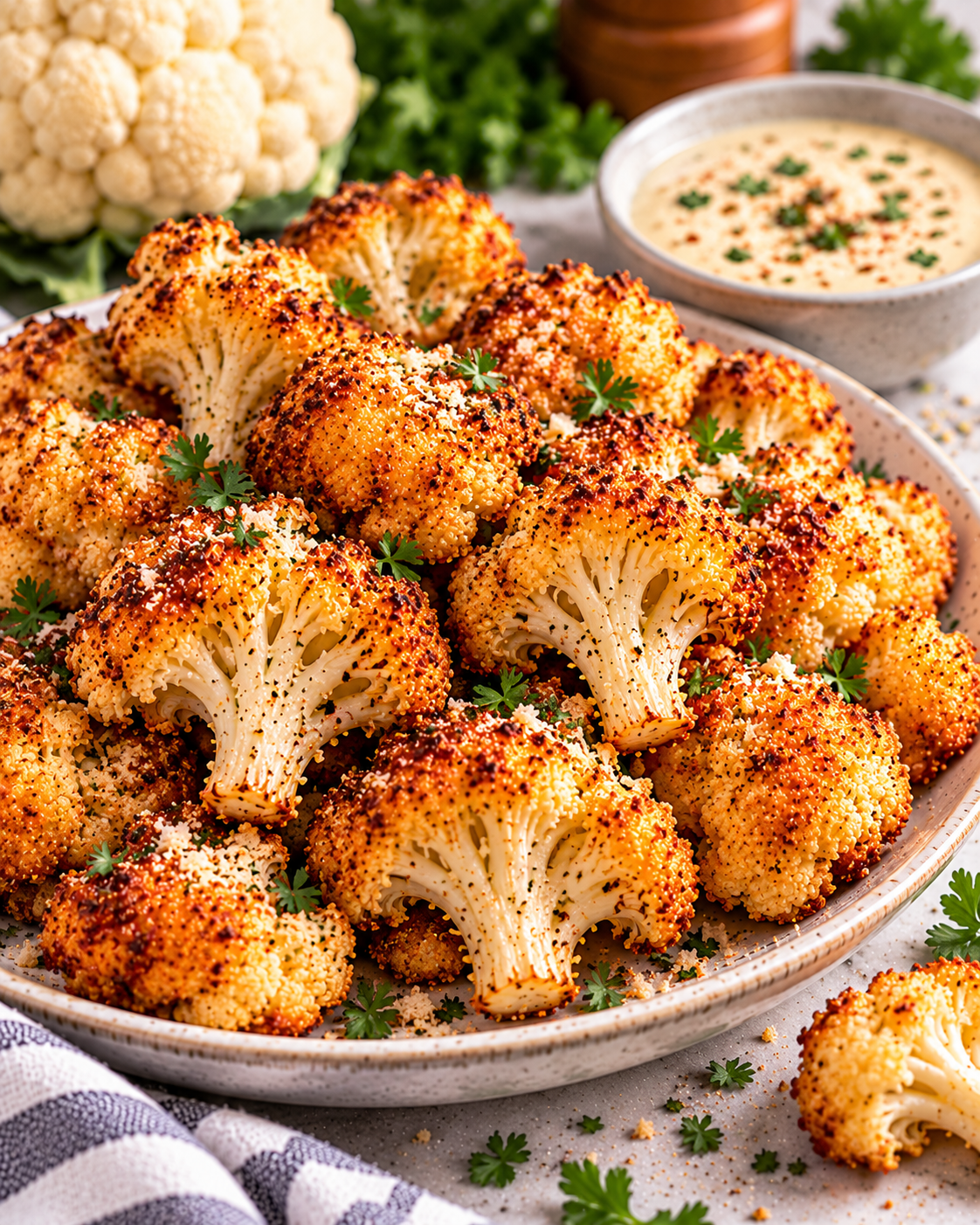
- Serve hot with your choice of dipping sauce, such as ranch dressing or garlic yogurt sauce.