
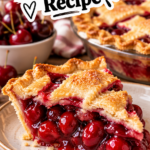
Cherry pie is one of those desserts that looks right at home on a kitchen counter, especially when the crust has turned a beautiful golden brown and a little cherry filling has bubbled through the top. It doesn’t need an elaborate garnish. A good slice already has everything you want: flaky pastry, juicy fruit, and that unmistakable sweet-tart cherry flavor.
This old-fashioned cherry pie recipe is the kind of dessert that suits Sunday dinner just as well as a summer gathering. It’s familiar without being boring, and the filling has enough brightness to keep the pastry from feeling too rich.
The two things that matter most are the crust and the filling. A beautiful crust won’t save a pie with watery cherries, and even the best cherry filling feels disappointing inside a soggy pastry shell. Getting those textures to work together is what makes homemade cherry pie worth the effort.
What Makes This Cherry Pie Old-Fashioned?
An old-fashioned cherry pie focuses on fruit and pastry rather than elaborate fillings or decorations. The cherries should remain the main flavor, with enough sweetness to balance their natural tartness.
The crust is equally important. It provides a buttery, flaky contrast to the soft fruit, giving each slice a little structure.
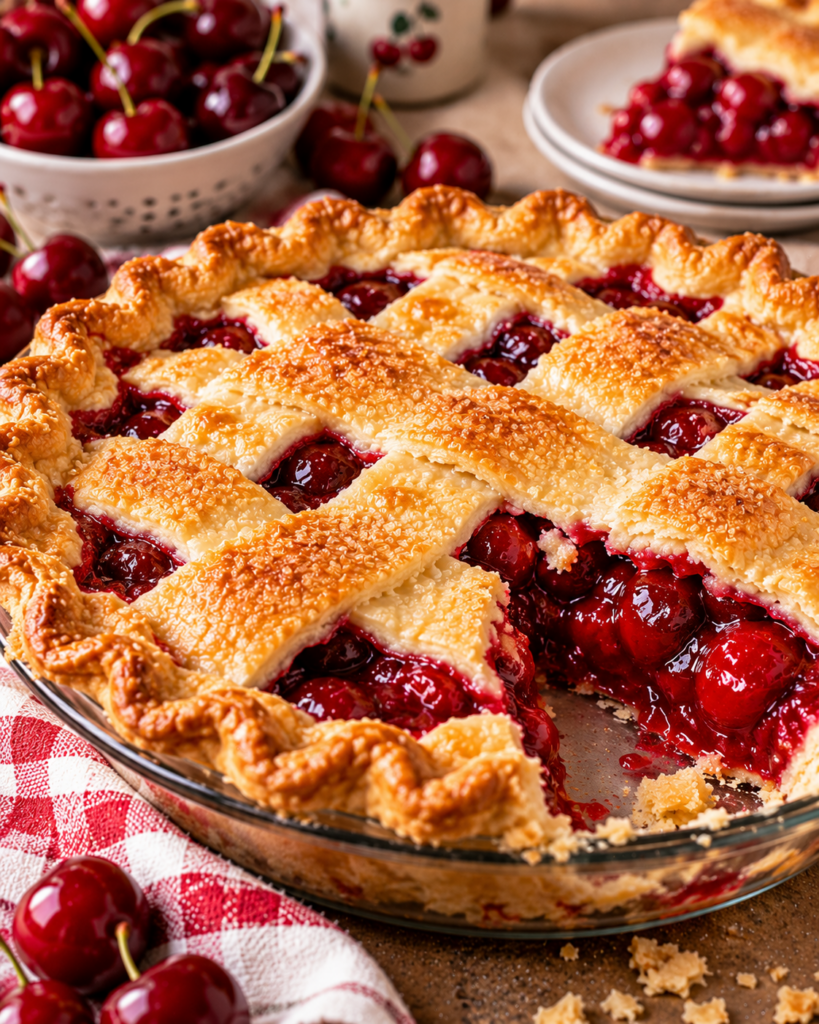
Traditional cherry pies can look different from one household to another. Some have a full top crust, while others use a lattice that allows the red filling to show through. Both styles have a familiar homemade appeal.
What makes the pie memorable isn’t a complicated technique. It’s the combination of good cherries, a filling that holds together, and pastry that tastes as good as it looks.
Choosing the Best Cherries for Pie
Not all cherries taste the same, and that makes a difference in pie. Sour cherries have a bright, tart flavor that’s especially well suited to sweet pastry. Sweet cherries create a gentler, fruitier filling.
Montmorency cherries are a familiar tart variety used in baking. Their acidity helps create the classic sweet-tart flavor associated with traditional cherry pie.
Bing cherries are sweeter and darker, giving the filling a different character. They can make a lovely pie, although the overall sweetness and acidity won’t be identical to a tart-cherry version.
The best choice depends on the recipe’s intended flavor balance. A filling designed for tart cherries may taste too sweet if the fruit is replaced with a sweeter variety without adjusting the recipe.
Texture matters, too. Cherries that are excessively soft can break down during baking, while firmer fruit may retain more recognizable pieces.
Fresh, Frozen, or Canned Cherries: What Works Best?
Fresh cherries are appealing when they’re in season. They offer good flavor and texture, although their sweetness can vary considerably between varieties and batches.
Frozen cherries are a practical option for making cherry pie outside the summer season. They can release additional liquid as they thaw, which may affect the filling’s thickness.
Canned cherries are convenient, but it’s important to distinguish plain canned cherries from prepared cherry pie filling. Those are different products with different amounts of liquid, sugar, and thickening ingredients.
A recipe developed for fresh cherries may need a different approach when using frozen fruit. The extra moisture can affect both the filling and the bottom crust.
For reliable results, use the type of cherries specified in the recipe card. If substitutions are allowed, follow the recipe’s guidance rather than assuming every form of cherry behaves the same way.
Tips for a Flaky Crust and Thick Cherry Filling
A good cherry pie has a crust that’s tender and flaky rather than tough or greasy. The pastry needs enough structure to hold the filling without becoming dense.
The filling should be juicy, but not so loose that it runs across the plate as soon as the pie is sliced. Cherries naturally release liquid as they heat, so the recipe needs an appropriate balance of fruit, moisture, and thickener.
The pie’s cooling time also matters. A filling that looks loose while hot may become noticeably firmer as it cools.
How to Prevent a Soggy Bottom Crust
The bottom crust sits directly beneath a juicy fruit filling, making it especially vulnerable to moisture. If the pastry doesn’t bake sufficiently, it can remain pale and soft.
The baking vessel and oven conditions affect how heat reaches the bottom. A glass pie dish behaves differently from a metal one, so changing pans may influence the result.
Follow the recipe’s baking guidance and avoid assuming that a browned top always means the bottom crust is fully baked.
How to Keep Cherry Pie Filling from Running
Cherry filling needs the right amount of thickening for the fruit’s moisture. Too little thickener can leave the pie watery, while too much may create a gummy texture.
Cooling is just as important. Cutting a fruit pie while it’s still very hot can cause the filling to spill out before it has had time to settle.

Common Cherry Pie Mistakes
One common mistake is choosing cherries without considering their sweetness. A filling made with sweet cherries may need a different flavor balance from one made with tart cherries.
Another is underestimating moisture, particularly when using frozen fruit. Extra liquid can make the filling loose and affect the crust beneath it.
Overworking pastry can also produce a tougher crust. The goal is a tender, flaky texture, not something that feels chewy.
Finally, cutting the pie too soon can make an otherwise successful filling appear runny. Giving the dessert time to cool often improves both texture and presentation.
Delicious Serving Ideas
Cherry pie is wonderful on its own, particularly when the filling has a lively tartness. The contrast between fruit and pastry is often enough.
Vanilla ice cream is a classic accompaniment. Its creamy sweetness softens the cherry flavor and creates a pleasant contrast when served with a warm slice.
Whipped cream is another option, especially when you want something lighter than ice cream. A small spoonful can complement the filling without hiding it.
For a casual family dessert, there’s no need to make every slice look identical. A slightly rustic piece of cherry pie can be every bit as inviting as a perfectly shaped one.
Make-Ahead and Storage Tips
Cherry pie can be convenient for entertaining because it benefits from cooling before slicing. Preparing it ahead also gives the filling time to settle.
The appropriate storage method depends on the ingredients. A traditional fruit pie may have different requirements from one containing custard, cream, or other perishable additions.
Cover the pie to protect it from drying out and follow the recipe’s storage guidance. Refrigeration may soften the crust over time, particularly when the filling is very moist.
Freezing can work for many fruit pies, although the crust and filling may change texture after thawing. The results depend on whether the pie is frozen before or after baking.
Frequently Asked Questions About Cherry Pie
Can You Make Cherry Pie with Frozen Cherries?
Yes, frozen cherries can work well, but they may release more liquid than fresh fruit. Use a recipe that accounts for that moisture so the filling doesn’t become excessively runny.
How Do You Thicken Cherry Pie Filling?
Cherry pie fillings commonly use a thickening ingredient suited to the amount of fruit and liquid. The type and proportion matter because different thickeners behave differently during baking and cooling.
Should You Refrigerate Cherry Pie?
It depends on the filling. Some traditional fruit pies can be stored briefly at room temperature, while pies containing perishable dairy or egg-based components require refrigeration. Follow the recipe’s specific storage instructions.
Can You Freeze Homemade Cherry Pie?
Many cherry pies can be frozen, although the crust may lose some crispness after thawing. The best method depends on whether the pie is baked or unbaked when frozen.
Final Thoughts
Old-fashioned cherry pie doesn’t need much embellishment. Good cherries, a flaky crust, and a filling that holds together are what make it satisfying.
Whether you serve it plain or with vanilla ice cream, it’s the kind of dessert that feels familiar in the nicest possible way. The best slice has a little tartness, a little sweetness, and pastry worth eating down to the last crumb.
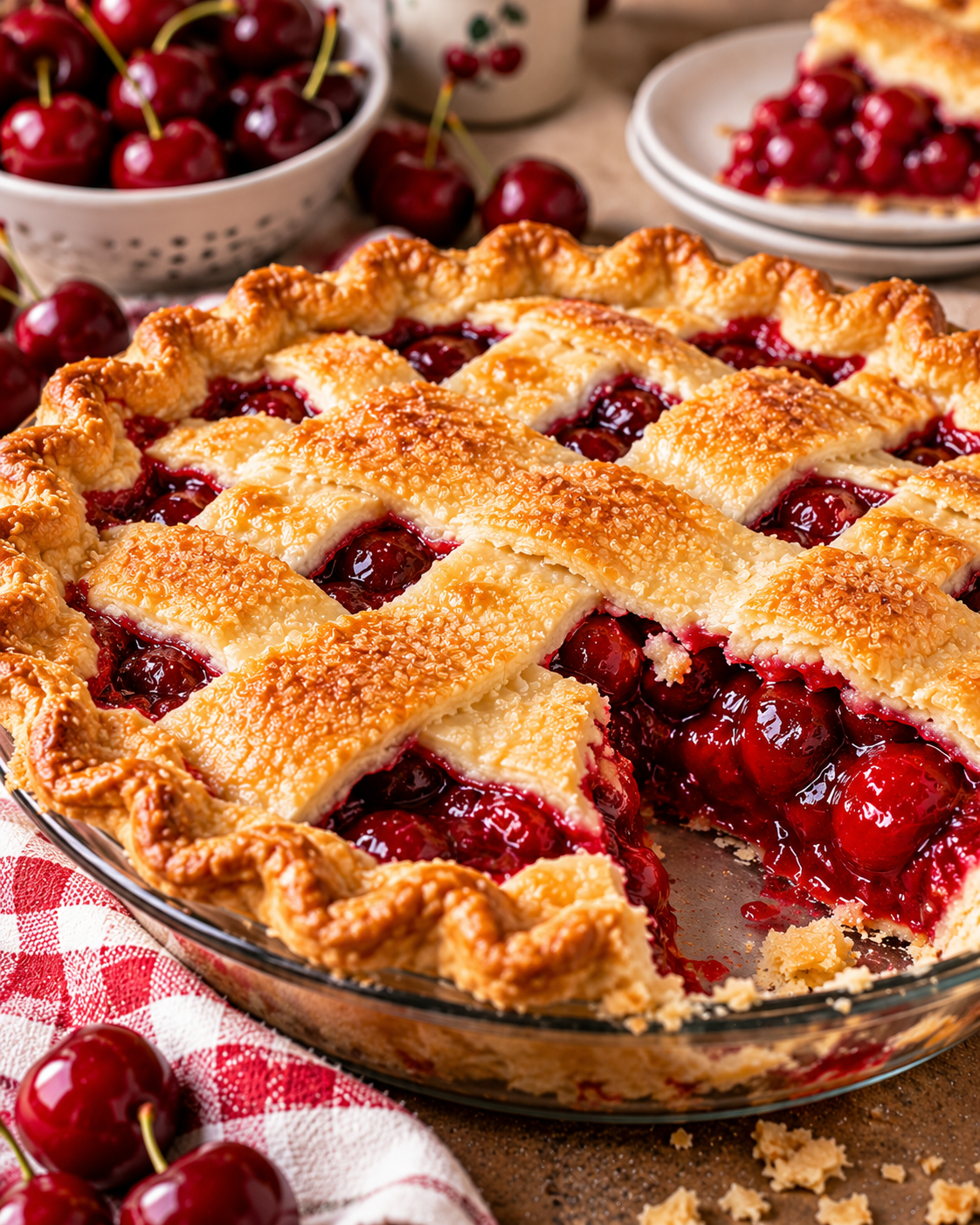
Old-Fashioned Cherry Pie
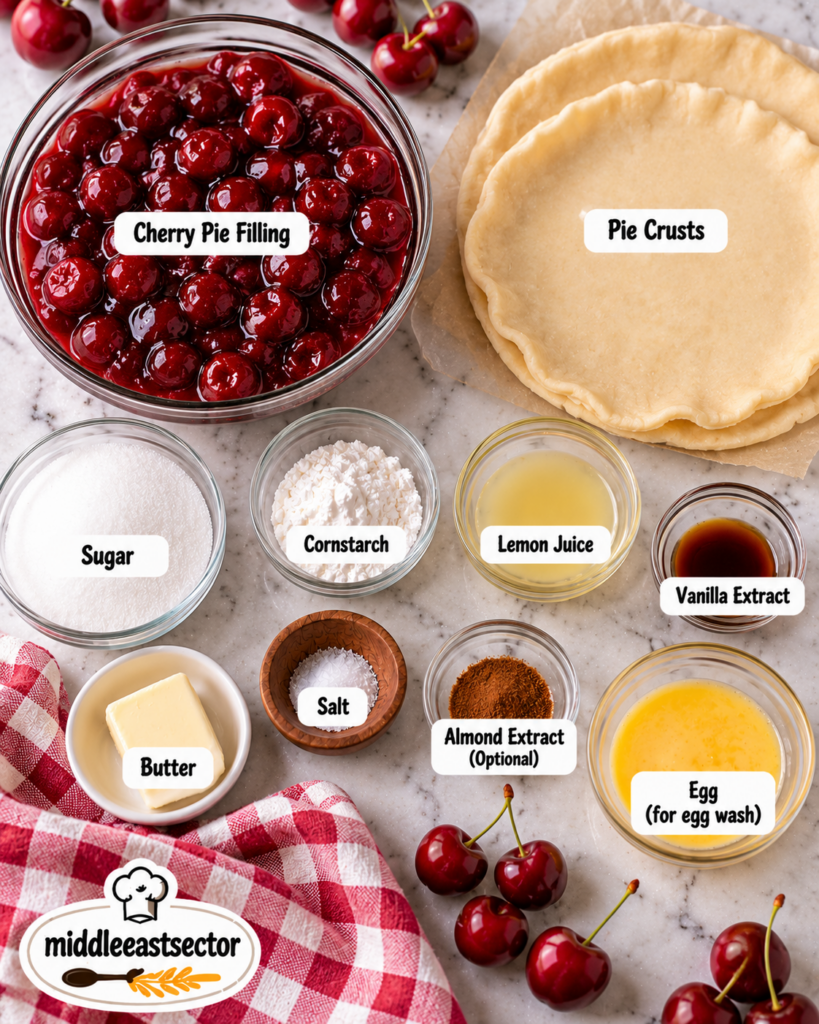
Ingredients
Method
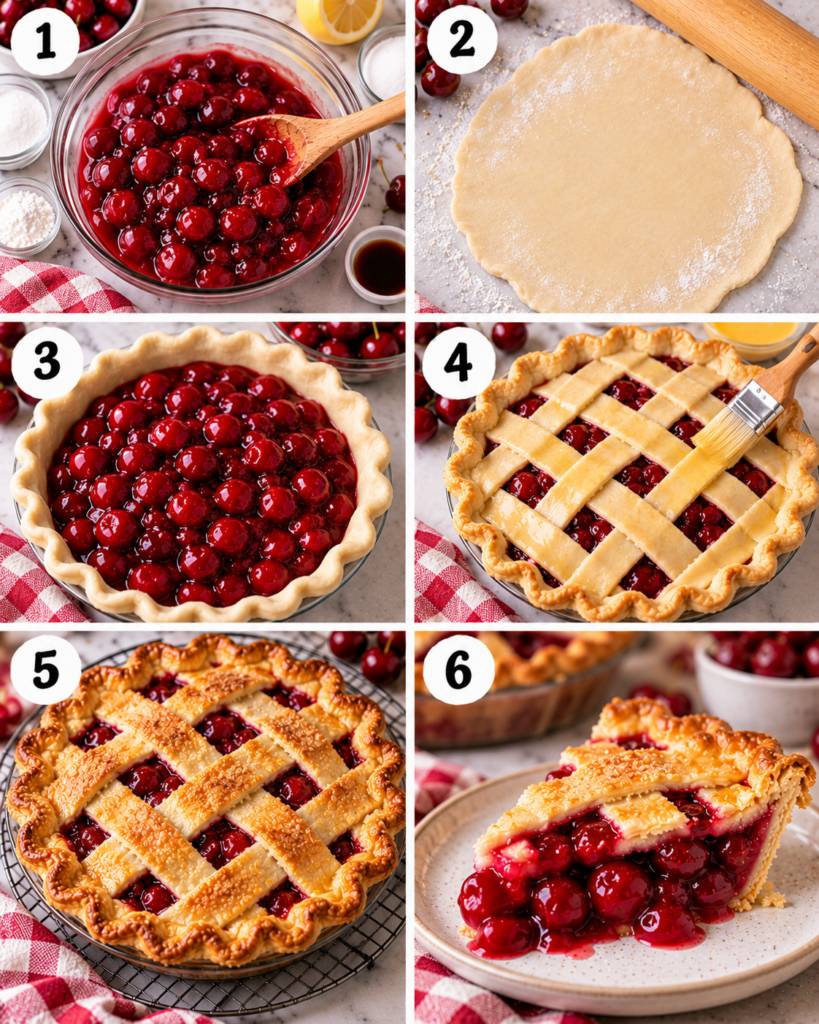
- In a large bowl, mix flour and salt. Cut in butter until mixture resembles coarse crumbs.
- Stir in water, one tablespoon at a time, until the dough comes together. Divide the dough in half, shape into disks, wrap in plastic, and refrigerate for at least 30 minutes.
- In a separate bowl, combine cherries, sugar, cornstarch, vanilla extract, and lemon juice. Toss to coat and let sit for 10 minutes.
- Preheat the oven to 425°F (220°C). Roll out one disk of dough on a floured surface and fit it into a 9-inch pie dish.
- Pour the cherry filling into the crust and dot with butter.
- Roll out the second disk of dough, place it over the filling, and seal edges. Cut slits in the top crust to allow steam to escape.
- Bake for 45-50 minutes, or until the crust is golden brown and the filling is bubbling. Cool before slicing.