

Turkey meatballs can be a little unpredictable. They’re tender, flavourful, and just as satisfying as beef meatballs when they’re good. If they’re not, they can become dry or crumbly, especially if the ground turkey is extra lean.
That’s what makes a cheesy turkey meatball skillet so nice. The cheese adds richness, the skillet keeps the dish together in one vessel for serving, and the meatballs are a comforting centrepiece for dinner. A sauce can tie everything together and add even more flavour to the finished dish, depending on the recipe.
But the real goal isn’t simply to smother turkey meatballs in cheese. It’s designed to keep the meatballs tender on the bottom, and a topping that’s designed to enhance flavour, rather than cover up a dry texture.
What Makes This Turkey Meatball Skillet So Good
Skillet meals have a casual, family-style feeling to them. Rather than plating individual servings, bring the whole dish to the table and serve with pasta, vegetables or bread.
Since ground turkey has relatively mild flavour, it also pairs well with various seasonings. This gives the recipe a savoury character without fighting against a particularly strong meat flavour.
Cheese offers a useful contrast. And its depth can make lean turkey more satisfying, particularly when the meatballs are served with a flavourful sauce.
The skillet format is convenient but the end result is still down to the meatballs themselves. A good cheesy turkey meatball skillet will have tender meatballs, well-balanced seasoning, and cheese that works with the rest of the dish.
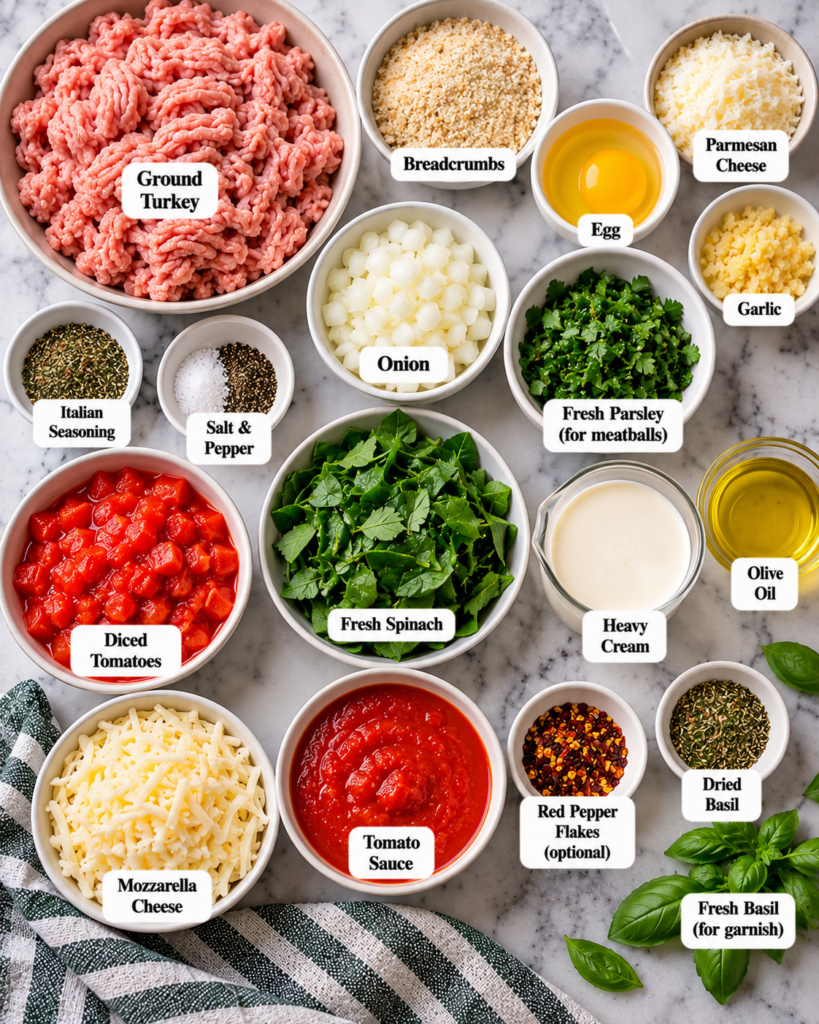
Why are turkey meatballs so tender?
Ground turkey is generally lower in fat than many ground beef blends, but it is contingent upon the product. Fat contributes to juiciness so a very lean turkey mixture might need some consideration.
The texture of the meatball mix is also important. Overworking the ground meat can make it a little firmer and an improper ratio of binding ingredients can affect how well the meatballs hold together.
Cooking conditions matter. Turkey meatballs can easily dry out if overcooked, even if the mixture was well balanced initially.
Meatballs need to be tender and cohesive, not dense or rubbery. It should hold its shape on the fork but be pleasant to bite into.
Here the proportions of ingredients in the recipe are important. Even when everything else is the same, substituting a much leaner ground turkey product can change the outcome.
Choosing the right cheese for turkey meatballs
Mozzarella is a popular choice for cheesy meatballs because it melts well and has a mild flavour. It makes a soft, elastic topping, not too much on the turkey.
Parmesan has a different character. It has a salty, savoury flavour that can add depth but it doesn’t melt like mozzarella.”
Other cheeses can work depending on the sauce and seasoning. A sharper cheese will give a stronger flavour, while a milder one allows the meatballs to take center stage.
The amount of cheese counts. Too much can make the skillet greasy or too heavy, especially if the sauce already has rich ingredients.
The best cheese is the one that goes with the recipe. Different cheese combinations might work better in a tomato-based skillet and a creamy skillet.
Tips for Juicy Turkey Meatballs
Juicy turkey meatballs require the right mixture, cooking method, and final temperature. Ground turkey can be lean and therefore may dry out more easily than a fattier meatball mixture.
The meatballs, once formed, should be cooked safely and without any extra heat. The right internal temperature for ground turkey is 165°F (74°C).
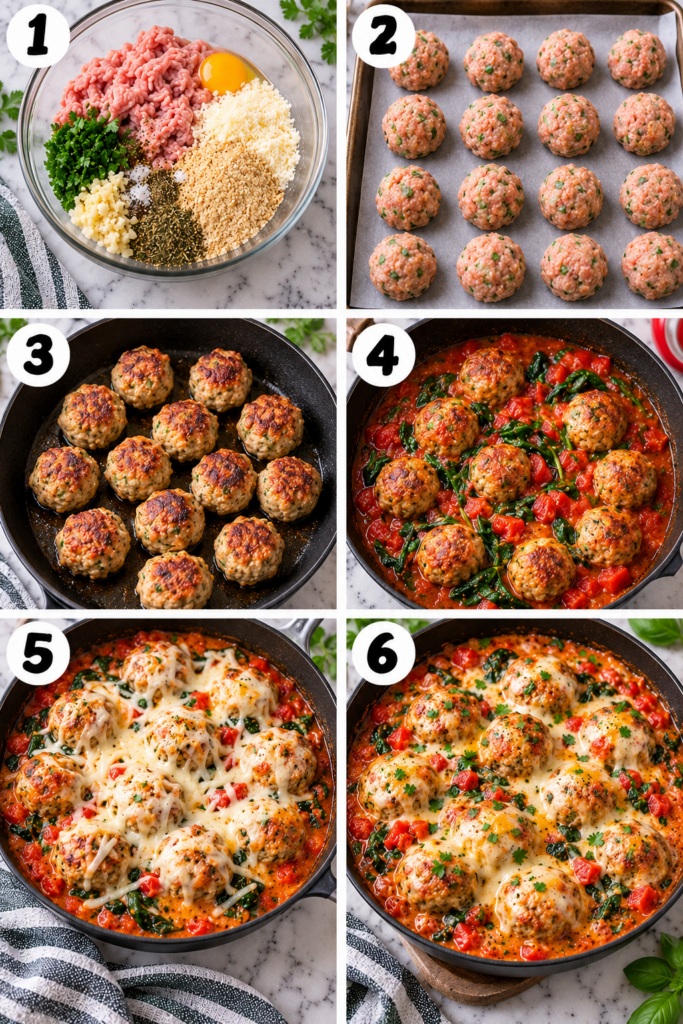
How to Keep Meatballs From Drying Out
Very lean meat, and over-cooking or an imbalance of ingredients that doesn’t hold enough moisture can all lead to dryness. A sauce can help add creaminess to the dish, but it won’t rescue the texture of a dry meatball.
The point is to retain the tenderness there from the start, not to disguise the problem with melted cheese.
How To Keep Meatballs From Falling Apart
Meatballs need to be cohesive enough not to fall apart while cooking and serving. A mixture that is too wet or poorly balanced may crumble. A mixture that is too dense may become dense.
The size of the meatballs can also play a role in how they behave. Smaller and larger portions have different cooking requirements, so consistency in the portions will help to achieve a more even result.
Variations for Cheese and Sauce
Turkey meatballs go with a few sauce styles, which is one of the reasons they’re handy for family dinners. Familiar Italian-inspired character comes from the tomato-based sauce, and a richer finish from the creamy sauce.
Some cheesy turkey meatball skillet recipes call for marinara, but one shouldn’t assume that to be the case for every version. Which seasonings and which cheeses make the most sense depends on what the actual sauce is.

If the heat plays well with the meatballs, a spicy variation works. A strongly seasoned sauce can overpower the mild turkey taste.
Another possibility is vegetable additions, especially if you want the skillet to seem like a more complete meal. They should be appropriate for the recipe, as their moisture content can impact the sauce.
When making substitutions, think of the whole dish. Cheese, sauce, and meatballs should taste like they go together.
What to Serve Alongside Cheesy Turkey Meatballs
A pasta is a natural pairing when the skillet has a tomato-based sauce. The meatballs add some protein to the dish and the pasta gives it substance.
For a lighter dinner, roasted vegetables or a fresh salad are good options. Plus their bright flavours help cut through the richness of the cheese.
Cosy with mashed potatoes, meatballs in a savoury sauce. Another choice is to serve crusty bread when the sauce is worth savouring.
The best side depends on the flavour profile of the skillet. A creamy type might require something fresh, whereas a tomato-based one can pair nicely with pasta or bread.
Storage & Make Ahead Tips
Turkey meatballs are a handy tool for meal planning but raw and cooked preparations require different handling. Keep ground turkey that is raw refrigerated and do not leave it out at room temperature when preparing.
Refrigerate cooked leftovers promptly in shallow, covered containers. If you keep turkey meatballs properly, you should use them within three to four days.
The consistency of the cheese and sauce may change during refrigeration. A new skillet will appear smooth and shiny but will grow thicker as it cools.
Reheat leftovers to a safe temperature of 165 °F (74 °C). Freezing might also be good for many meatball recipes, the sauce and cheese might change texture after thawing.
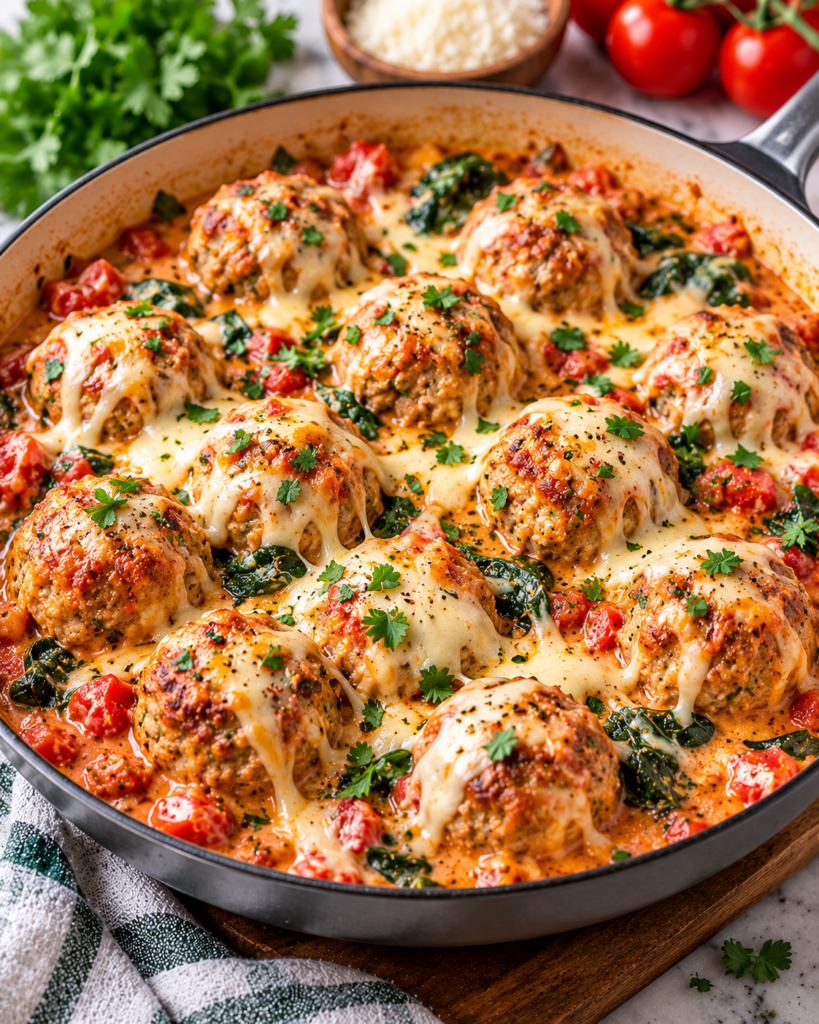
Turkey Meatballs Questions & Answers
How To Keep Ground Turkey Meatballs Moist
Moisture depends on fat content of the turkey, balance of the mixture and method of cooking. Dryness is often a result of overcooking, so the meatballs should be cooked safely, but not with any more heat than necessary.
Can I Make Turkey Meatballs Ahead of Time?
Yes, many meatball recipes are fine made ahead of time. Treat raw ground turkey with special care in the fridge, but you can store cooked meatballs with standard leftover advice.
Can You Freeze Turkey Meatballs With Sauce?
You can freeze many cooked meatballs in sauce, although the texture of the sauce may change after thawing. Creamy sauces behave differently than tomato-based sauces.
How to Reheat Turkey Meatballs Without Them Getting Dry?
The reheating method should heat the meatballs evenly without overcooking too much. They still need to reach 165°F (74°C) and a sauce will help keep a nice texture.
Final Thoughts
Cheesy Turkey Meatball Skillet is a warm and cosy supper combining juicy meatballs and the richness of melted cheese. It’s the kind of thing that’s special enough for a relaxed weekend meal, but practical enough for family dinners.
The trick is to keep the turkey meatballs moist and let the cheese contribute to the flavour. All it takes is a good sauce and a simple side to make the skillet a satisfying meal.
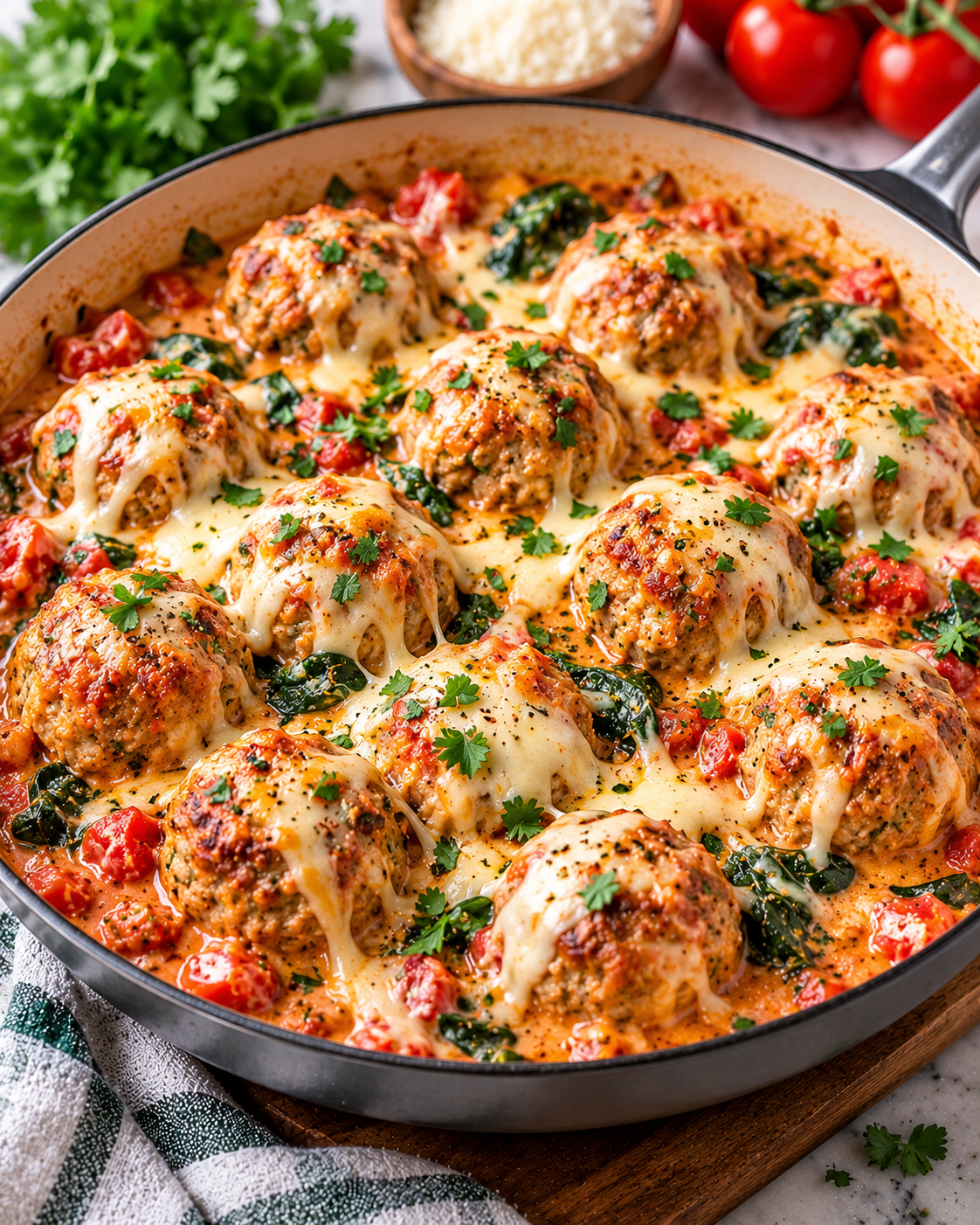
Cheesy Turkey Meatball Skillet
Ingredients
Method
- In a large bowl, combine ground turkey, bread crumbs, egg, garlic powder, onion powder, salt, and pepper.
- Mix until just combined without overworking the meat.
- Form into meatballs, about 1 inch in diameter.
- Heat a skillet over medium heat and add a little oil.
- Cook the meatballs for about 10-12 minutes, turning occasionally until browned and cooked through.
- Once meatballs are cooked, pour the tomato sauce over them in the skillet.
- Sprinkle mozzarella and Parmesan cheese over the top.
- Cover the skillet and let simmer on low for about 5-10 minutes until the cheese has melted.
- Serve hot with pasta, bread, or roasted vegetables.