

alton brown scones are my go to move when I want something that feels a little fancy but is actually pretty simple. You know those mornings when you want bakery vibes at home, but you also do not want a sink full of dishes or a recipe that asks you to “fold gently” for 20 minutes. Same. This is the kind of bake that makes your kitchen smell buttery and cozy, and it comes together fast once you get the hang of it. I have made these for quiet weekends, last minute guests, and even as a “sorry I forgot” treat for a friend. Let’s get you set up so your first batch comes out golden and tender, not dry and brick like.
What Makes Alton Brown’s Scone Recipe Different?
For me, the big reason this recipe works is that it is clear and no nonsense. It focuses on temperature and technique in a way that actually matters, like keeping your butter cold and not kneading the life out of the dough.
It also gives you that classic scone texture: lightly crisp outside, soft inside, and not cake. If you want to read the full walkthrough version I started with, here is the page I keep bookmarked: Alton Brown Classic Scones Recipe.
Another thing I appreciate is that the flavor is clean. You can keep them plain and buttery, or add fruit and still taste the base. That is what makes them feel “classic” instead of overly sweet breakfast cookies.
British Scones vs American Scones What’s the Difference?
This one trips people up because both are called scones, but they are not always the same thing.
British style scones are usually smaller, less sweet, and meant to be split and topped. American scones are often bigger, sweeter, and packed with mix ins, sometimes almost like a wedge shaped muffin.
When I make alton brown scones, they land closer to the British side in spirit, especially if you do not overload them with chocolate chunks and drizzle. They are tender, simple, and they really shine with a topping.
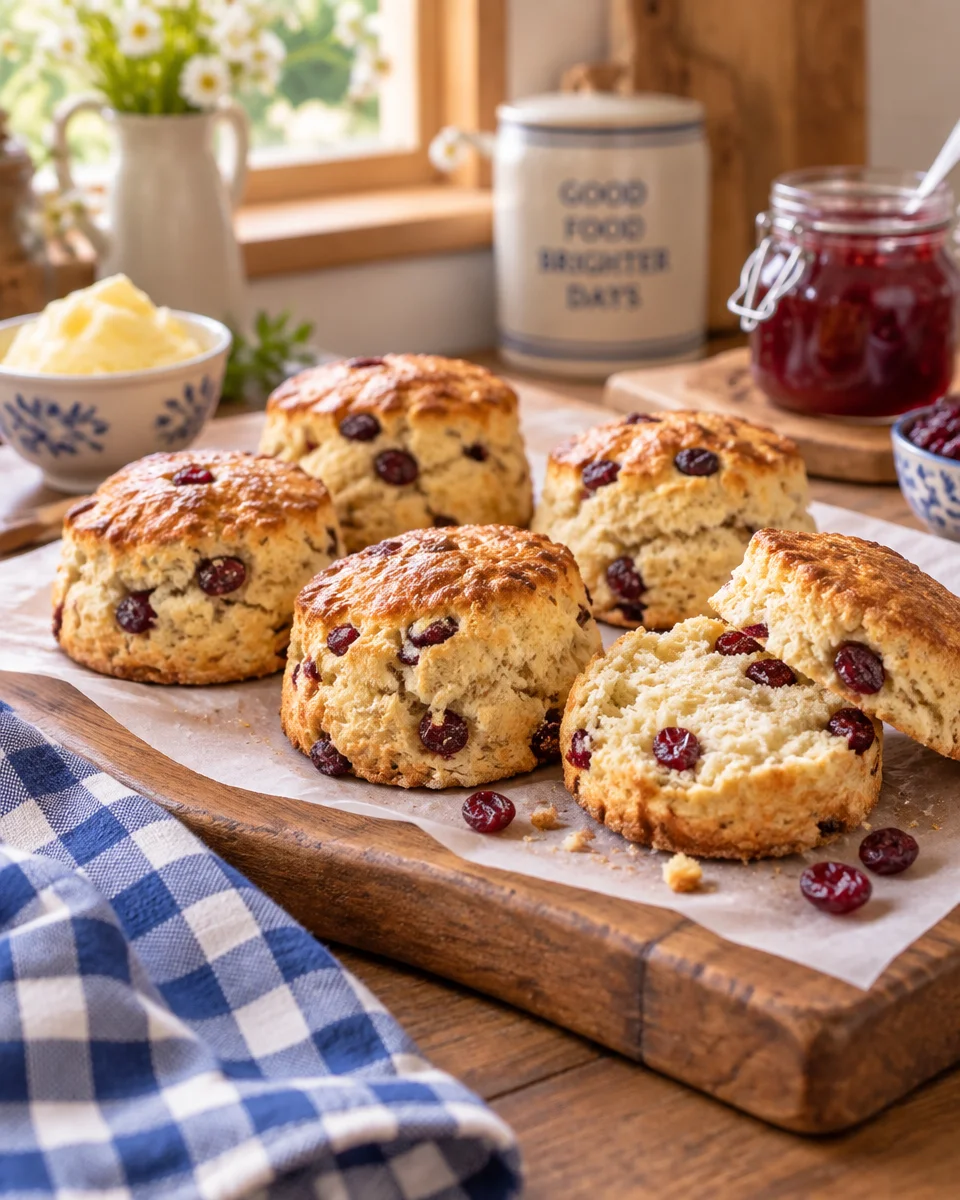
The Secret to Light and Fluffy Scones
Let’s talk about what actually makes a scone feel light. It is not magic, it is a few small choices that add up.
Cold butter is the big one. Those little bits of butter melt in the oven and create tiny pockets, which gives you lift. Warm butter just blends in and you lose that effect.
Cold liquid helps too. If your cream or milk is cold from the fridge, your dough stays cooler longer. I even chill my mixing bowl if my kitchen is hot.
And last, do not skip giving them enough heat. A properly hot oven helps them rise quickly before the butter fully melts out. If you want a dessert baking project for another day, I also love switching gears to brownies, and this one is surprisingly good: better boxed brownies.
Butter vs Cream Which Makes Better Scones?
This is one of those debates that feels dramatic, but the answer depends on what you want.
Butter brings flavor and that flaky, classic bite. Cream brings richness and softness. Many recipes use both in different ways, but in general:
Butter gives you a slightly crumblier, more traditional texture, especially when kept cold.
Cream can make the inside feel extra tender, but it is easier to go too heavy and end up with something closer to cake.
I like the balance Alton uses because you get structure and flavor, plus a soft middle if you do not overbake. When I want to make them more dessert like, I sometimes serve them with something sweet on the side, like a small square of blondie brownies for a mixed dessert plate.
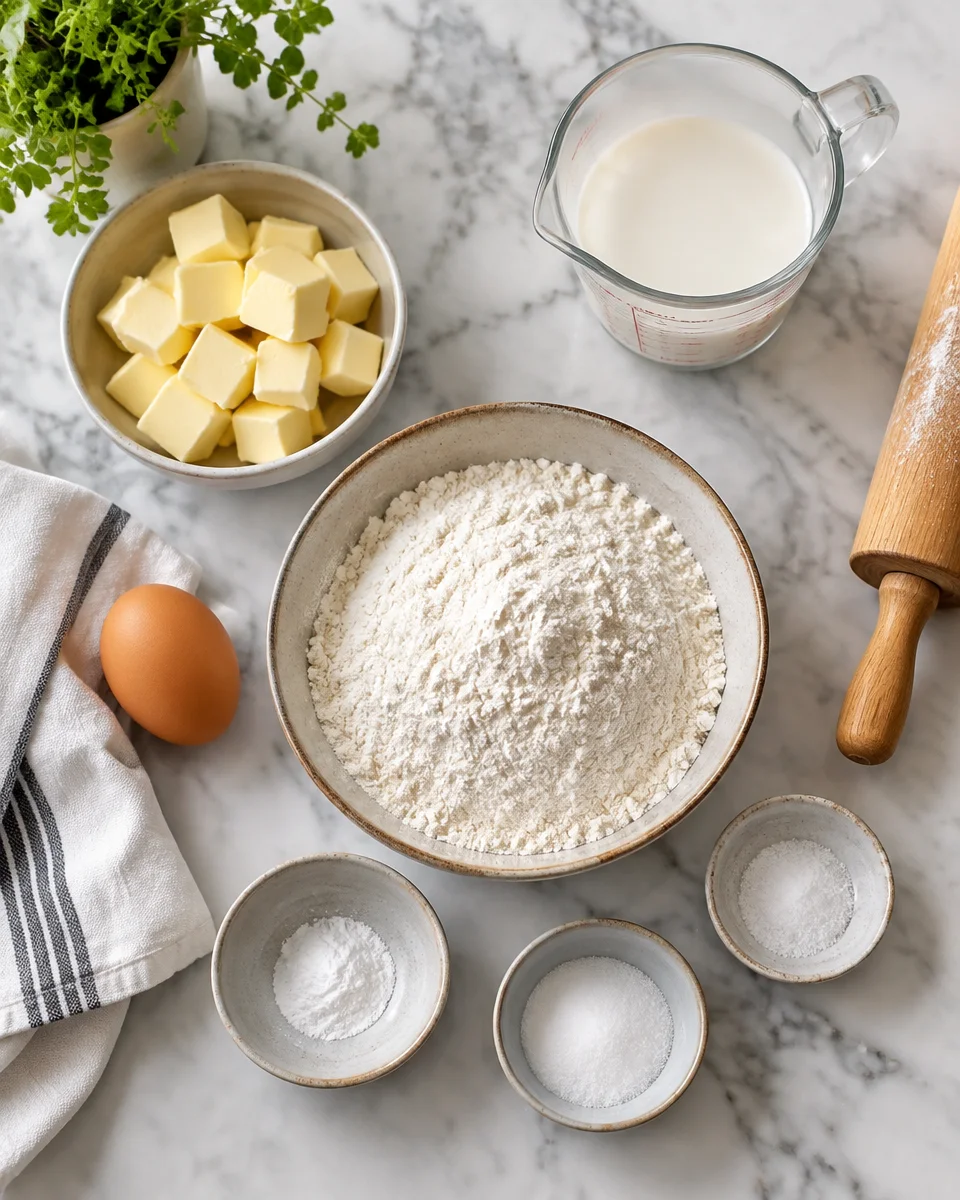
Why You Should Never Overwork Scone Dough
If you take only one tip from this whole post, make it this: stop mixing sooner than you think.
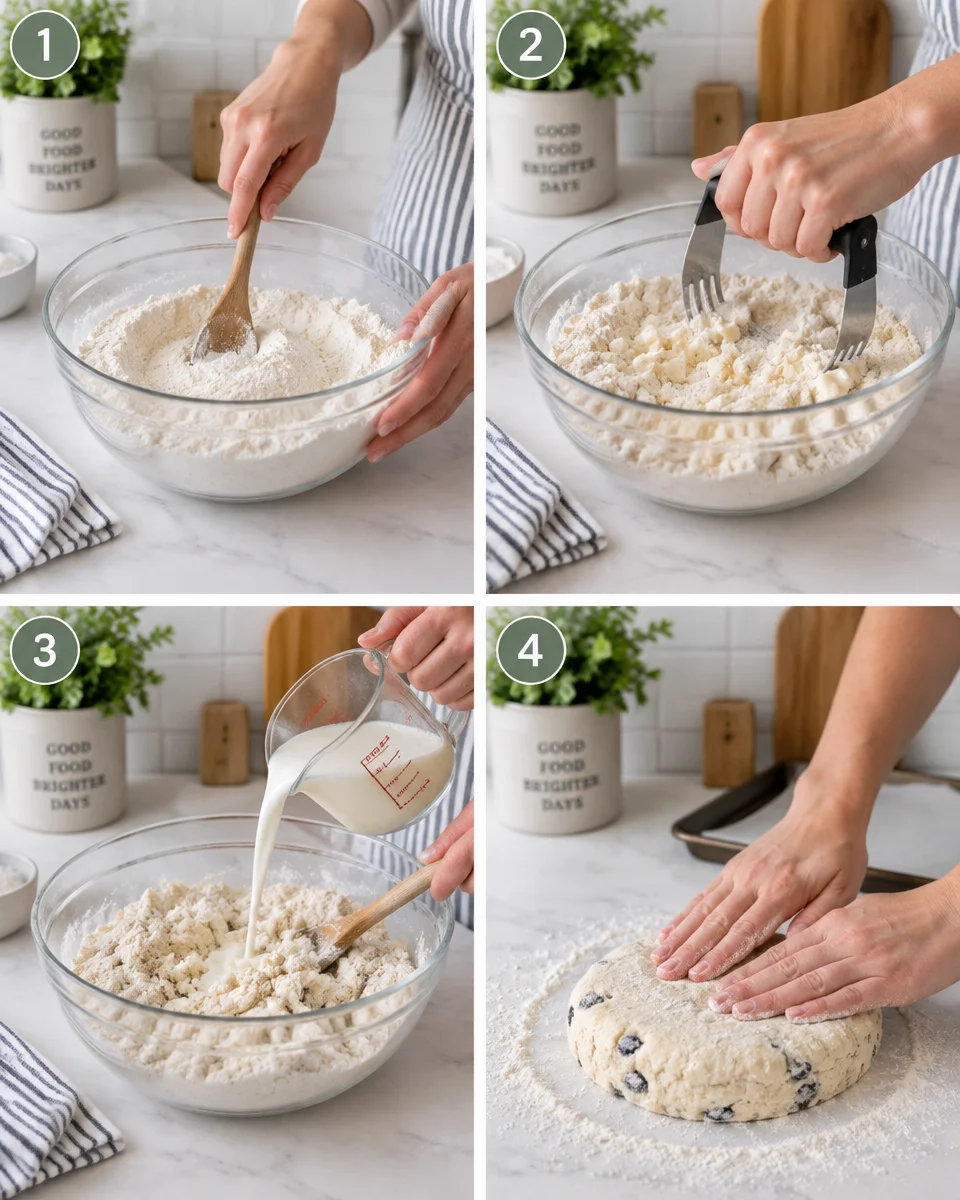
Overworking the dough warms the butter and also builds too much gluten, which is the fast track to tough scones. The dough should look a little shaggy, like it is not totally sure it wants to be dough yet. That is perfect.
Here is what I do to keep myself from fussing with it:
- Mix the dry ingredients first so you are not stirring forever later.
- Cut in the cold butter until you see small pea sized bits.
- Add liquid and stir just until it holds together.
- Pat it into a circle with your hands, do not knead it like bread.
One time I got distracted and kept “fixing” the dough because it looked uneven. They baked up dense and kind of sad. Lesson learned. If it looks imperfect before baking, it usually turns out better after baking.
Plain vs Fruit Scones Which Is More Traditional?
Traditional British scones are often plain or made with raisins or currants. Fruit scones have that old school tea time vibe, especially with a little jam.
Plain scones are honestly underrated because they let your toppings do the talking. If you are serving a crowd, plain is safe, then people can choose sweet or not so sweet toppings.
If you add fruit, keep it reasonable. Too many add ins can weigh down the dough and make it bake unevenly. Dried fruit works best because it does not leak liquid into the dough the way fresh fruit can.

What to Serve With Classic British Scones
This is where scones get fun, because they are basically a blank canvas. My favorite serving plan is simple and cozy, like a mini tea spread at home.
Here are a few ideas that work every time:
- Strawberry jam or raspberry jam
- Lemon curd if you want something bright
- Honey and a pinch of flaky salt
- Fresh berries on the side
- Hot tea, coffee, or a strong latte
And if you are hosting and want a “wow” dessert option sitting nearby, this is ridiculously good: blueberry brownie cheesecake. It is obviously richer than scones, but people love having choices.
Clotted Cream vs Whipped Cream What’s the Right Choice?
If you have never tried clotted cream, it is thick, creamy, and kind of luxurious without being overly sweet. It is the classic partner for scones, especially if you are doing the whole tea time thing.
Whipped cream is lighter and easier to find. It is also sweeter most of the time, unless you whip it yourself without much sugar.
My honest take:
Choose clotted cream when you want the most traditional experience and a richer bite.
Choose whipped cream when you want something airy, or when clotted cream is not available and you do not want a special shopping trip.
“I made these for a family brunch and everyone thought they came from a bakery. The tip about not overmixing saved me. Warm with jam they were perfect.” Jenna, home baker
How to Store and Freeze Homemade Scones
Scones are best the day they are baked, no question. But you can still keep them tasty for a couple of days if you store them right.
For short storage, let them cool fully, then keep them in an airtight container at room temperature for about 1 to 2 days. If your kitchen is humid, you might prefer the fridge, but know that chilling can dry them out a bit.
Freezing is the real lifesaver. You have two good options, and I use both depending on my schedule:
Freeze unbaked: Shape and cut the dough, freeze the pieces on a tray, then move to a freezer bag. Bake from frozen, just add a few extra minutes.
Freeze baked: Cool completely, wrap well, and freeze. Rewarm in the oven so they crisp back up.
Either way, skip the microwave if you can. It makes the outside soft and a little rubbery. A quick oven reheat brings back the magic.
Frequently Asked Questions About Alton Brown Scones
Q: Why did my scones turn out dry?
A: Most of the time it is overbaking or too much flour. Measure carefully, and pull them when they are lightly golden, not dark brown.
Q: Can I make alton brown scones without a pastry cutter?
A: Yes. Use two forks, or quickly rub the cold butter into the flour with your fingertips. Work fast so the butter stays cold.
Q: Should I use fresh or dried fruit?
A: Dried fruit is easier and more reliable. Fresh fruit can work, but it adds moisture and can make the centers gummy if you add too much.
Q: How do I get that nice golden top?
A: Brush with a little cream or milk before baking, and make sure your oven is fully preheated.
Q: Can I prep the dough the night before?
A: Yes. Shape and cut the scones, cover, and refrigerate overnight. Bake in the morning for the best texture.
A Cozy Batch You Will Want to Make Again
Once you get the feel for keeping everything cold and not overmixing, alton brown scones become one of those recipes you can make without stress. They are simple, reliable, and they make any morning feel a little more special. If you want to compare notes with the original source, check out Alton’s Scones Recipe | Alton Brown – Food Network and see how your method lines up. Bake a batch, split one open while it is still warm, and do not be shy with the jam. You will get why I keep coming back to them.
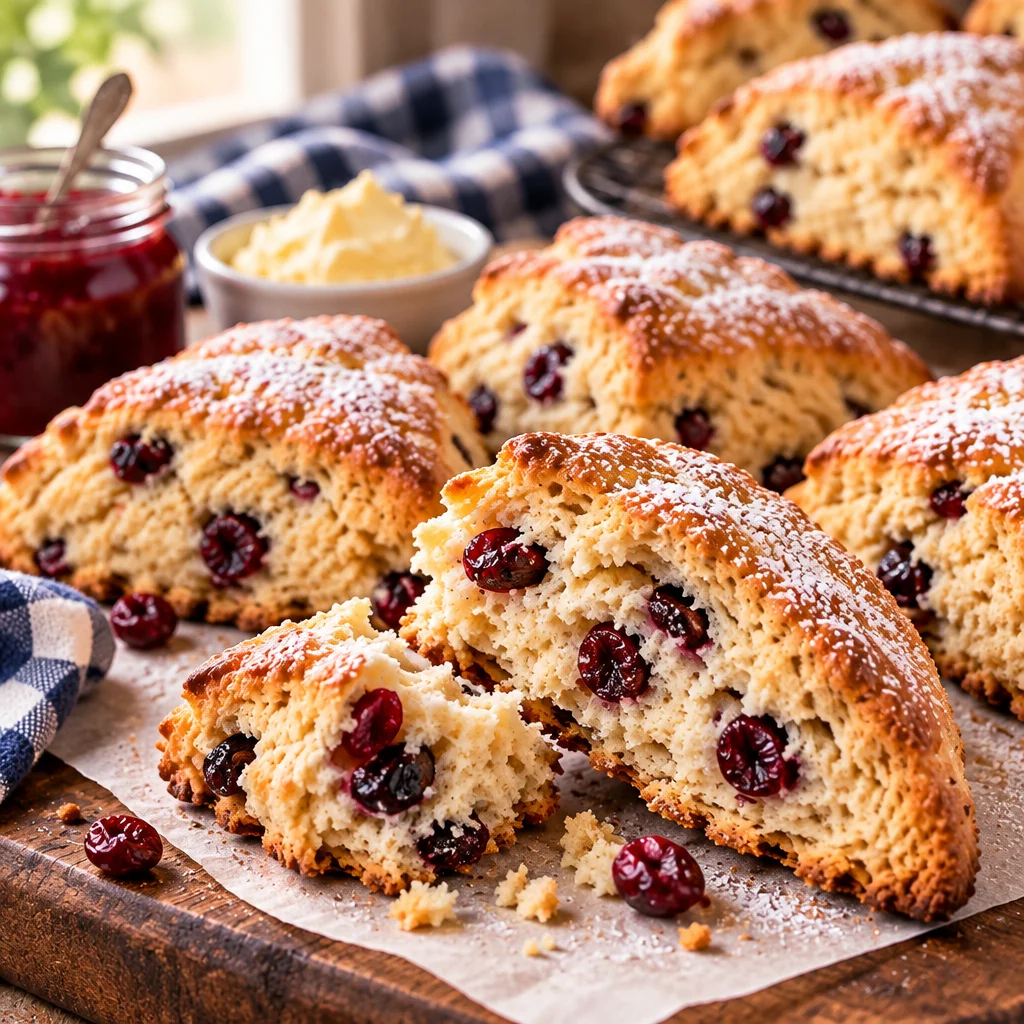
Alton Brown Scones
Ingredients
Method
- Preheat the oven to 400°F (200°C).
- In a large bowl, combine the flour, baking powder, sugar, and salt.
- Cut in the cold butter until the mixture resembles coarse crumbs.
- Stir in the cold cream or milk just until the dough comes together.
- If using, gently fold in dried fruit.
- Turn the dough onto a floured surface and pat it into a circle approximately 1 inch thick.
- Cut the dough into wedges and place onto a baking sheet lined with parchment paper.
- Brush the tops with additional cream or milk.
- Bake in the preheated oven for 15–20 minutes, or until lightly golden.
- Remove from oven and cool slightly before serving.