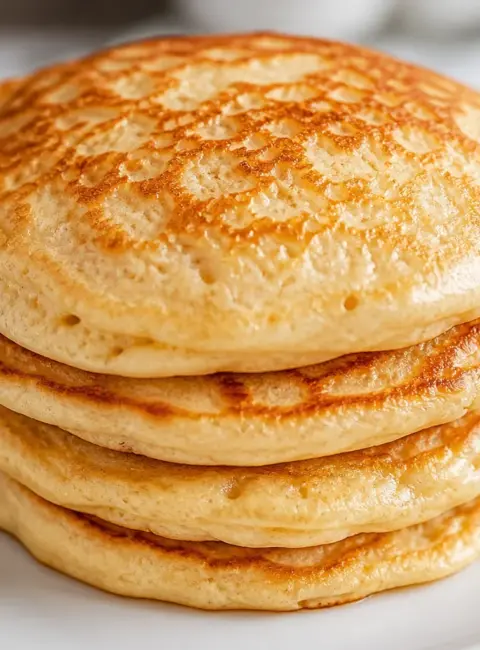

Brioche rolls are the thing I reach for when I want something warm, comforting, and honestly a little impressive without trying too hard. Maybe you have had that moment where you planned a simple dinner, then realized your bread situation is sad. Or you bought store rolls that looked fine, but turned weirdly dry the second you got them home. These Soft and Fluffy Milk Brioche Rolls fix all of that with a tender inside, a gentle buttery vibe, and that bakery smell that makes everyone hover near the oven. If you have milk, flour, yeast, and a bit of patience, you are in a really good place.
What Are Milk Brioche Rolls? tender enriched rolls, buttery flavor, soft crumb
Milk brioche rolls are enriched bread rolls, which just means the dough includes more than the basic flour, water, yeast, and salt. Here, you are adding milk, eggs, and butter, so the rolls bake up soft, rich, and slightly sweet. The crumb (that is the inside texture) is fine and tender, not chewy like a crusty loaf.
People sometimes ask if they are the same as Japanese milk bread. Not exactly. Japanese milk bread is usually softer and more feathery, often made with a cooked flour paste method to lock in moisture. Milk brioche leans more buttery and rich, with a slightly more structured bite. If you want a simple, cozy version that still feels special, these Soft and Fluffy Milk Brioche Rolls hit the sweet spot.
If you want my full walk through recipe, I keep it updated here: Soft and Fluffy Milk Brioche Rolls.
Brioche Rolls vs. Regular Dinner Rolls richness, structure and ideal uses
Regular dinner rolls are usually lighter on fat and eggs. That is why they can be fluffy, but they can also go stale faster and feel a bit plain. Brioche rolls bring more flavor and a softer bite because of the added butter, eggs, and milk.
Here is how I think about it at the table:
- Regular dinner rolls: great for soups, casual weeknights, and soaking up gravy.
- Brioche dinner rolls: better when you want that rich, almost bakery feel for holidays, slider nights, or a brunch spread.
- Brioche rolls: my go to when I want one bread that can do dinner and breakfast leftovers the next day.
Also, brioche tends to have a prettier golden color. When you bring a basket of them out, it looks like you really did something.
What Milk Adds to Brioche Dough tenderness, browning and moisture
Milk does a few helpful things in this dough. First, it adds tenderness because the fats and sugars in milk soften the texture. Second, it helps with browning. That gorgeous golden top is not only from egg wash. Milk sugars also encourage color.
The last part is moisture. Milk helps the rolls stay soft longer, especially if you store them well. I notice a real difference the next day: milk based enriched rolls reheat like a dream and do not feel as dry as water based rolls.
And if you are the kind of person who loves sweet breakfast baking too, you might also want to peek at this cozy project: air fryer cinnamon rolls from scratch. Different vibe, same warm kitchen happiness.
What Good Brioche Rolls Should Look and Feel Like soft crumb, golden crust and light texture
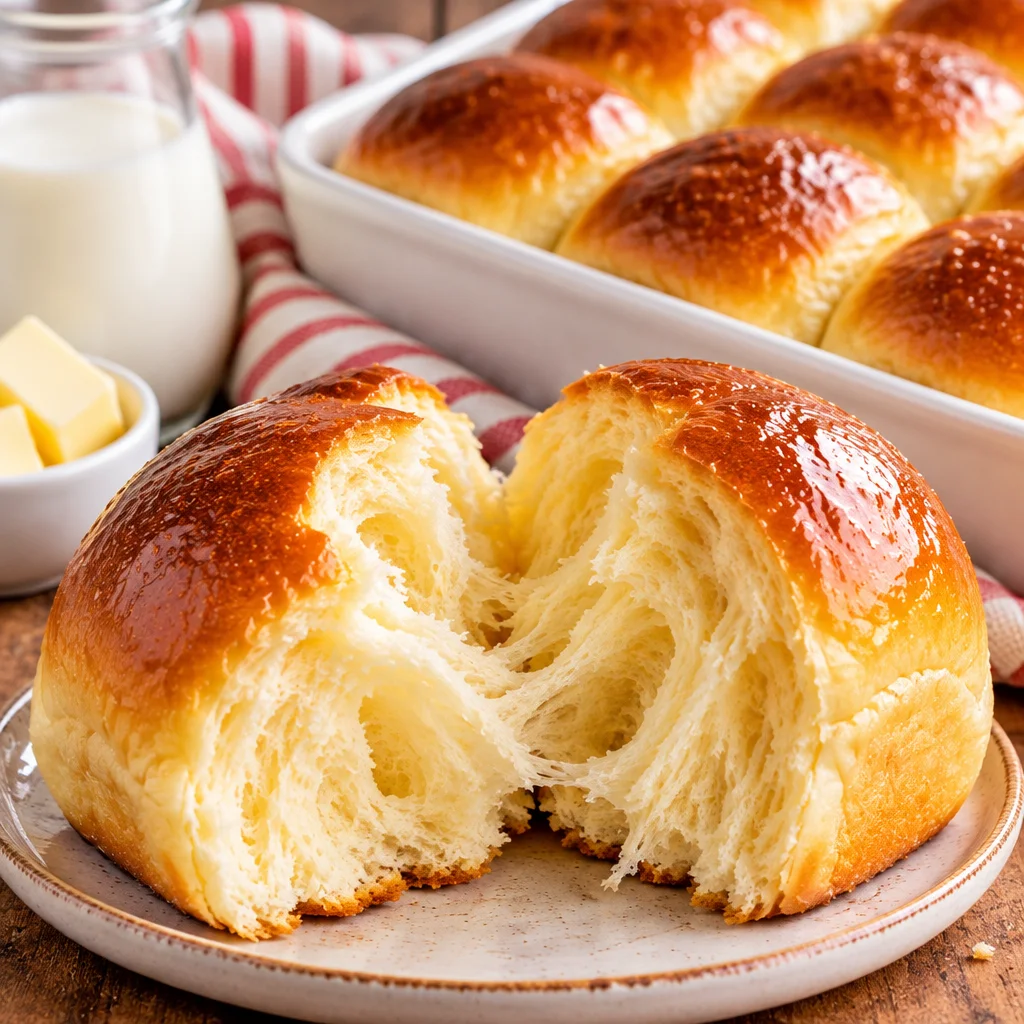
A good batch should feel light in your hand, not heavy like a hockey puck. The tops should be shiny and golden, and the sides should be soft where the rolls touch each other in the pan. Inside, you want a soft crumb that pulls apart in little strands, but still feels tender when you bite it.
I also look for these signs:
- Even shape: rolls should be similar in size so they bake evenly.
- Springy top: if you press lightly, it should slowly bounce back.
- Buttery aroma: you will smell it before they are even out of the oven.
One more thing: don’t chase a super dark crust. Brioche is best when it is golden and soft, not thick and crusty.
Tips for Soft, Fluffy Homemade Brioche Rolls dough consistency, gluten development, proofing and baking cues without method duplication
If there is one lesson I learned the hard way, it is this: enriched doughs need a little patience. The butter and eggs make it feel slower and sometimes slightly sticky, but the payoff is worth it.
My most useful tips:
- Start with slightly tacky dough: it should feel soft and a bit sticky, but not like batter. If it is soup, add a touch more flour. If it is stiff, add a tiny splash of milk.
- Knead until it looks smoother: you are looking for dough that stretches without tearing too quickly.
- Use visual cues, not just the clock: dough rises based on room temperature, not your timer.
- Don’t rush the second rise: this is what gives you that cloudlike inside.
- Watch the oven: if they are browning fast, lightly tent with foil for the last few minutes.
When I am serving these with party snacks, I love pairing them with fun hand held bites. These are a total crowd pleaser: buffalo chicken egg rolls. Spicy filling plus soft bread on the table is a win.
Understanding Dough Rise and Proofing visual signs of under and overproofing
Proofing is just letting the dough rise. The trick is knowing when it is ready, because underproofed rolls bake up tight, and overproofed rolls can collapse or bake unevenly.
Here is my simple way to check:
- Underproofed: dough feels firm, looks smaller than expected, and springs back instantly when you gently poke it.
- Ready: dough looks puffy, and a gentle poke slowly springs back but still leaves a slight dent.
- Overproofed: dough looks very fragile or deflates when touched, and the poke dent just stays there.
On cooler days, I proof the dough in a slightly warm spot in my kitchen, not hot. Too much heat can melt butter in the dough, and that changes the texture.
Troubleshooting Brioche Rolls
Why brioche rolls are dense
Dense brioche rolls usually come from not enough rising time, old yeast, or dough that was too cold and never really got going. Give it more time to puff up, and make sure your yeast is active. Also check that you did not add too much flour, which can make the dough heavy.
Why the dough feels sticky
Sticky is normal at first because butter and eggs make the dough feel soft and a little clingy. Resist the urge to dump in lots of flour. Instead, lightly oil your hands or use a scraper. After kneading and resting, it should become easier to handle.
Why rolls don’t rise
If the rolls do not rise, your yeast might be expired, your milk could have been too hot and harmed the yeast, or the kitchen is just cold. Move the dough to a warmer spot and give it extra time. I have had dough take twice as long in winter, and it still baked up great.
Why the tops brown too quickly
This happens when the oven runs hot or the pan is too close to the top heating element. Move the pan down a rack and loosely cover with foil once the color looks right. Brioche has sugar and eggs, so it browns faster than plain rolls.
How to prevent dry or tough rolls
Dry rolls usually mean they baked too long or had too much flour. Pull them when they are baked through, not when they are deeply browned. Also store them properly once cool. A tight container helps, and reheating gently brings them back to life.
I made these Soft and Fluffy Milk Brioche Rolls for my family dinner and everyone kept tearing off pieces before I even served the main dish. Next day, I warmed one up and it was still soft. This recipe is a keeper.
Ways to Serve Brioche Rolls dinner, sliders, sandwiches, breakfast
This is where brioche rolls really shine. They are not just a side bread. They are the kind of roll that finds a job in every meal.
- Dinner: serve with roasted chicken, stew, or anything saucy.
- Sliders: perfect for mini burgers or pulled chicken. Yes, they hold up.
- Sandwiches: split and toast for a fancy turkey sandwich situation.
- Breakfast: add butter and jam, or make a breakfast sandwich with eggs.
And if you like playful snacky meals, these are fun for dipping alongside: air fryer pizza rolls. I do a little “snack dinner” sometimes and nobody complains.
Variations dinner roll sizing, sweetness and toppings where compatible
You can keep the base dough the same and still switch things up.
- Smaller rolls: make them bite sized for holiday baskets, just reduce bake time a bit.
- Slightly sweeter: add a bit more sugar if you want a more brunch style roll.
- Toppings: sesame seeds, poppy seeds, or flaky salt on top before baking. Flaky salt is magic if you are serving them with savory food.
If you want a totally different, dessert style crispy treat, I have been loving these lately: air fryer cherry cheesecake egg rolls. Not bread, but so fun for a sweet finish.
Make Ahead Dough and Freezing refrigeration, freezing baked rolls, thawing
Yes, you can make brioche dough ahead, and it is one of my favorite tricks for stress free hosting. After the first rise, cover the dough well and refrigerate it overnight. Cold dough is also easier to shape the next day, which is a nice little bonus.
You can also freeze baked rolls. Let them cool completely, then wrap tightly and freeze. When you want them, thaw at room temperature still wrapped, then warm briefly in the oven. They come back surprisingly soft.
Making Soft and Fluffy Milk Brioche Rolls ahead of time has saved me on busy weekends when I still want something homemade on the table.
Storage and Reheating retaining softness
Once the rolls are cool, store them in an airtight container or a sealed bag at room temperature for a couple of days. If your kitchen runs warm, keep them out of direct sun.
For reheating, I like a low oven for a few minutes. If you microwave, do it in short bursts and consider wrapping the roll in a slightly damp paper towel so it stays soft. A little butter after warming does not hurt either, just saying.
Frequently Asked Questions About Soft Brioche Rolls
What is the difference between brioche and milk bread?
Brioche and milk bread are both known for their soft, fluffy textures, but they differ in ingredients, flavor, and traditional preparation methods. Brioche is a French enriched bread that typically contains generous amounts of butter and eggs, giving it a rich, slightly sweet flavor and a tender, delicate crumb. Milk bread, often associated with Japanese-style shokupan, generally has a milder flavor and an exceptionally light, pillowy texture. Many milk bread recipes use the tangzhong or yudane method, which involves treating a portion of the flour with hot liquid to improve moisture retention and softness. While both breads are excellent for sandwiches, breakfast, and dinner rolls, brioche offers a more buttery, indulgent flavor, whereas milk bread is especially appreciated for its airy consistency and lasting tenderness.
Why are brioche rolls so soft and fluffy?
Brioche rolls develop their signature soft, fluffy texture from an enriched dough containing ingredients such as butter, eggs, and milk. These ingredients contribute fat and moisture, helping create a tender crumb while adding richness and flavor. Butter and egg yolks also influence gluten development, producing a softer texture than many traditional lean bread doughs. Proper kneading and fermentation are equally important because they allow the dough to develop enough structure to trap the gases produced by yeast during rising. When the dough is given sufficient time to rise and is baked correctly, the result is a batch of light, tender brioche rolls with a delicate interior and beautifully golden crust.
Can brioche dough be refrigerated overnight?
Brioche dough can be refrigerated overnight, and this method is often beneficial for both flavor development and easier handling. After the initial mixing and fermentation stage specified in the recipe, cover the dough tightly and place it in the refrigerator to slow yeast activity. The extended chilling period allows the flavors to develop gradually while firming the butter-rich dough, making it easier to shape into evenly sized rolls. The following day, remove the dough from the refrigerator and shape it according to the recipe instructions, allowing it to rest briefly if it is too firm to handle comfortably. Once shaped, let the rolls complete their final rise until noticeably puffy before baking. Because chilled dough rises more slowly, the final proofing time may be longer than it would be with dough prepared entirely at room temperature.
Can you freeze homemade brioche rolls?
Homemade brioche rolls freeze well, making them a practical option for preparing bread ahead of holidays, family dinners, or busy weekdays. For the best results, allow the freshly baked rolls to cool completely before wrapping them individually or arranging them in an airtight freezer-safe container. Proper packaging helps prevent freezer burn and protects the soft crumb from drying out during storage. For optimal flavor and texture, enjoy frozen brioche rolls within approximately two to three months. When ready to serve, thaw the rolls while wrapped at room temperature, then warm them briefly in a low-temperature oven to restore their soft interior and freshly baked aroma. Avoid overheating, as excessive baking time during reheating can make the rolls dry or tough.
How do you know when brioche rolls are fully baked?
Brioche rolls are generally fully baked when they develop a deep golden-brown surface and a soft but properly set interior. Because brioche dough contains butter, eggs, and sometimes sugar, the exterior may brown more quickly than lean bread dough, so color alone is not always a reliable indicator of doneness. A properly baked roll should feel light for its size and may produce a slightly hollow sound when gently tapped on the bottom. For greater accuracy, insert an instant-read thermometer into the center of a roll, aiming for an internal temperature of approximately 190°F to 200°F (88°C to 93°C), depending on the recipe. If the rolls are browning too quickly before the centers are fully baked, loosely cover them with aluminum foil and continue baking as needed. Allow the finished rolls to cool briefly before serving so the crumb can set while remaining soft and tender.
Final Thoughts
Soft and Fluffy Milk Brioche Rolls are one of those recipes that make your kitchen feel like a cozy little bakery, even on an average day. They are rich without being heavy, and they work with everything from dinner plates to breakfast leftovers. If you take your time with the rise and watch the baking color, you will get that tender, golden result every time. Give them a try, and when you pull a warm roll apart and see that soft crumb, you will get why I keep coming back to these brioche rolls.
Loved this recipe?
Get new recipes in your inbox
One friendly email a week with our newest easy recipes. No spam — unsubscribe anytime. Privacy policy
Soft and Fluffy Milk Brioche Rolls
Ingredients
Method
- In a mixing bowl, combine warm milk, sugar, and yeast. Let sit until frothy, about 5 minutes.
- Add melted butter, eggs, flour, and salt to the yeast mixture. Mix until combined.
- Knead the dough until it is smooth and elastic, about 8-10 minutes.
- Shape the dough into a ball and place it in a greased bowl. Cover and let rise in a warm place until doubled in size, about 1-2 hours.
- Preheat your oven to 350°F (175°C).
- Once the dough has risen, punch it down and divide it into 12 equal pieces.
- Shape each piece into a ball and place them in a greased baking dish close together.
- Cover and let rise for another 30-45 minutes until puffy.
- Bake for 20-25 minutes until golden brown. Allow them to cool slightly before serving.