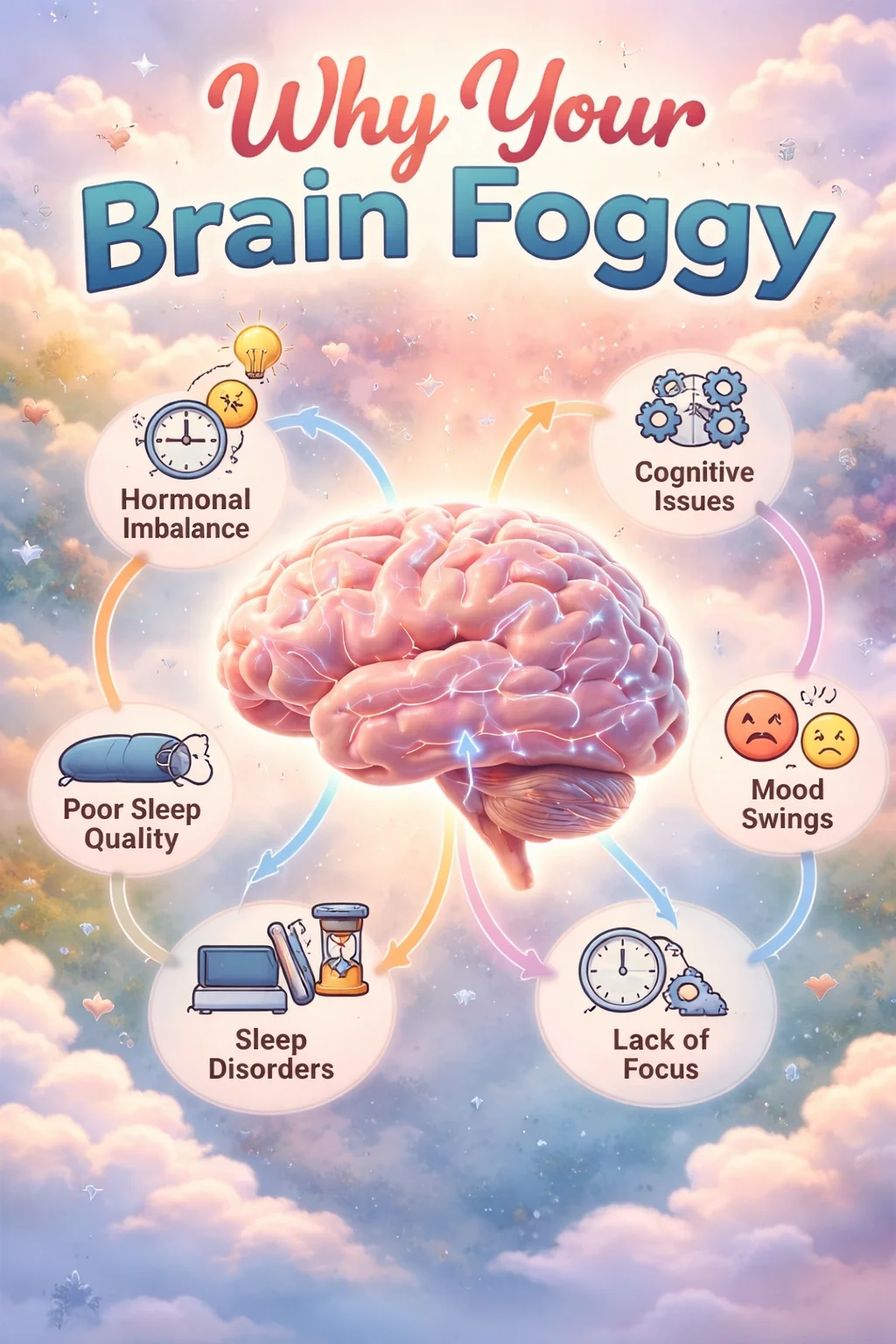
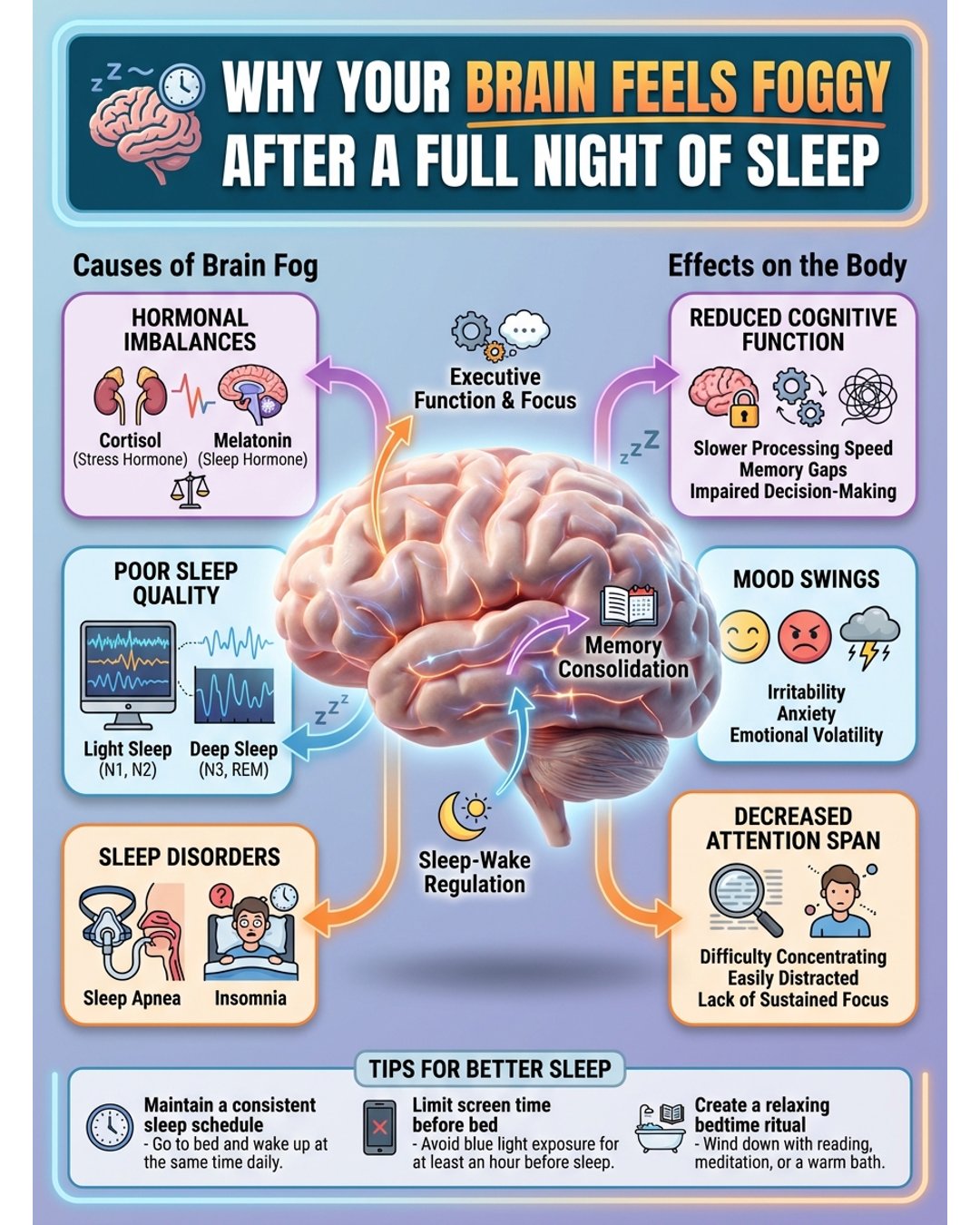

Why Your Brain Feels Foggy After a Full Night of Sleep…ugh, you know that feeling? You’re thinking, “I did everything right—no late-night scrolling, nice clean sheets, even passed on dessert—so why do I still wake up feeling like a sluggish sloth instead of a shiny-cheeked morning person?” If it helps, you’re not crazy (at least not about this). Brain fog after sleeping all night actually happens a lot—yep, it’s not just you, friend. Plus, I’ve found figuring out why is kind of like unlocking a mystery recipe (spoiler: it’s not just about sleep). If you’re into how your sleeping position affects health, or ever wondered what your face can reveal when your body’s feeling off, there’s more overlap than you think. 
Overview of Brain Fog
Let’s break it down: brain fog isn’t a medical diagnosis but boy, does it feel real.
- Feels like your brain’s wrapped in a wet, woolly blanket—thoughts move sloooow.
- You might forget names, dates, or what you walked into the kitchen for (ugh, the classic).
- Concentration? Basically a daydream.
- Everyone gets it sometimes, and it doesn’t mean there’s something “wrong” with your intelligence!
I once lost my car keys and spent 10 minutes searching…only to realize I was holding them. That’s peak brain fog.
Possible Causes of Brain Fog
Here’s where it gets weird: sleeping doesn’t always guarantee a fresh brain.
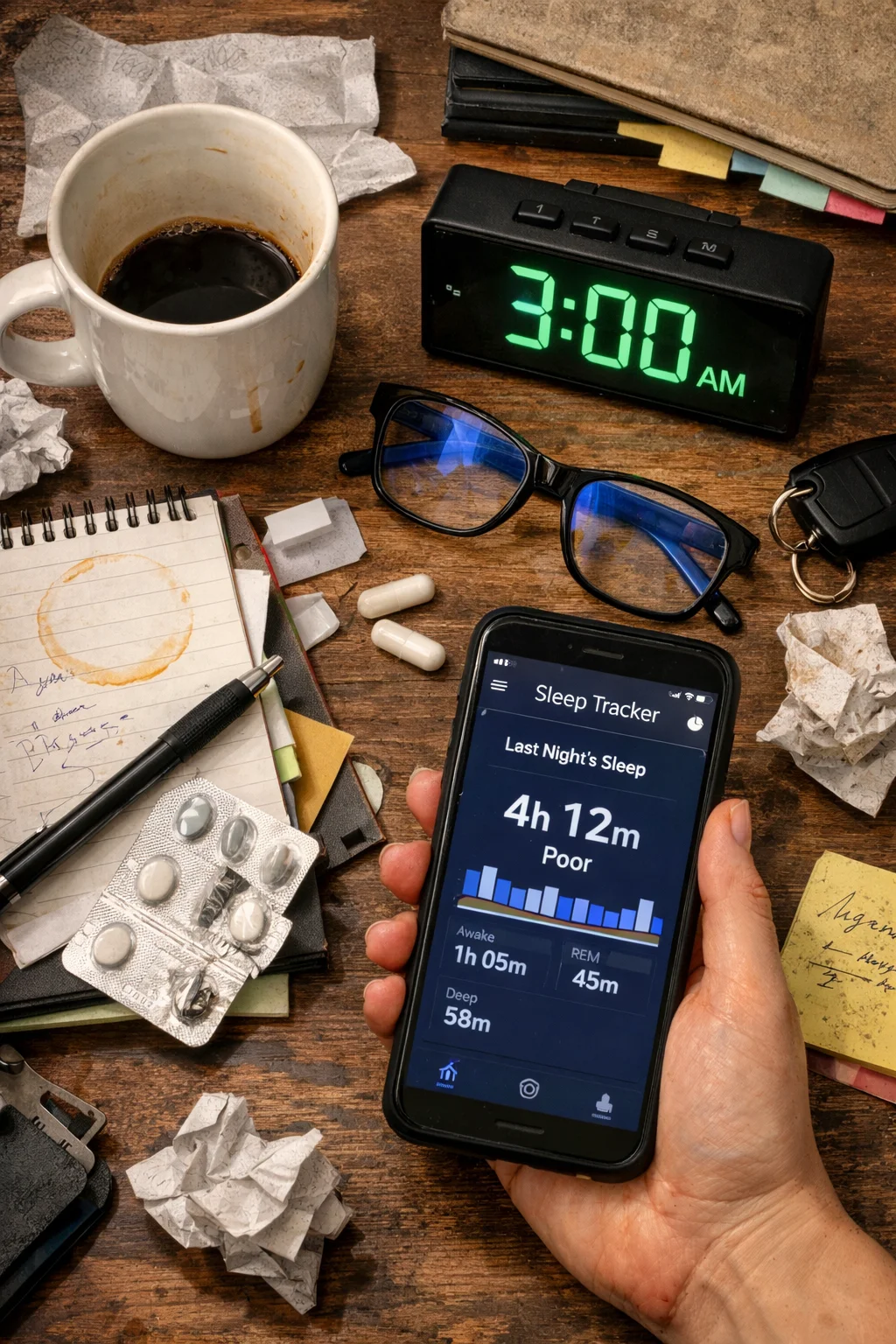
- Poor sleep quality. Eight hours of tossing and turning isn’t the same as eight hours of peaceful snoozing (trust me).
- Hydration matters. A dry brain is a slow brain—the color of your urine actually tells you if you’re drinking enough water.
- Stress, hands down, zaps your energy.
- Eating heavy or sugary meals late can mess with your rest (I know, the late-night nachos haunt us all).
I’m convinced that the one time I went to bed after three slices of caramel toffee crunch cheesecake, my dreams were just static. Go figure.
“After a string of groggy mornings, I realized my ‘full night’ wasn’t quality sleep at all. Changing up my routine made a night-and-day difference!”

Care and Treatment Options
Alright—let’s fix it (well, as best we can).
- Morning sunlight: Open those curtains first thing—it signals your body to wake up for real.
- Consistent sleep times help, even on weekends. (I know, that’s no fun, but it’s true.)
- Move your body—take a walk, wiggle, whatever works.
- Go easy on caffeine (yes, I’m talking to myself mostly here). Too much and you crash hard later!
Caffeine is my old frenemy—gives me a burst, then poof, it’s gone. Some days, water and a brisk stroll work miles better for me.
Concurrent Symptoms Associated with Brain Fog
Brain fog doesn’t always travel solo. Notice these too?
- Headaches or stuffy head—sometimes it’s like a cold, minus the sniffles.
- Achy muscles, crankiness, and just general meh.
- Occasional mild dizziness, especially if you stand up too fast.
- Mood—oh, the mood swings. Even my houseplants look at me funny.
I sometimes catch myself grumbling about the dog next door only barking once—I mean, what’s wrong with me?
When to Seek Medical Help
Okay, real talk: Most of the time, brain fog is more annoying than scary, but sometimes you should check in with your doc.
- Brain fog sticks around for weeks or even months.
- Hard time finding words—or you’re losing track of time or conversations (not the “where are my keys” kind).
- Notice sudden changes in memory, personality, or severe confusion.
- Other symptoms pop up (like weight change, vision stuff, or chest pain).
If you’re even slightly worried, better just call your healthcare person. (No shame in that.)
Common Questions
Q: Can changing my diet help clear up brain fog?
A: Oh, for sure. Cutting back on sugar and eating more real food (you know, plants and stuff) often helps a ton.
Q: Does napping make brain fog worse or better?
A: Small naps can help, but long ones might leave you even foggier. Think 15–20 minutes.
Q: Is brain fog a sign of something serious?
A: Usually, it’s just tiredness or stress. If it’s constant or comes with other weird symptoms, best to check with a medical pro.
Q: Can exercise really help?
A: Big yes! Even a ten-minute walk can boost brain power—don’t overthink it.
Q: How can I tell if my sleep is actually good?
A: If you’re waking up lots or feel drained, it probably isn’t. Track how you feel more than the actual hours.
Wake Up Refreshed: Final Thoughts for Clear-Headed Mornings
So, if your brain feels foggy after a full night of sleep, don’t panic—address the basics: quality rest, light mornings, movement, and old-fashioned water. If fixing your bedtime routine doesn’t fix your funk, check in with a pro. For more, these resources go deeper: check out Brain Fog: What It Is, Causes, Symptoms & Treatment or MIT’s brain without sleep rundown. Seriously, give these ideas a shot—and hey, if you’ve ever woken up feeling like a zombie after “perfect” sleep, at least now you know…it’s pretty normal (even if it’s as frustrating as trying to bake cookies without enough peanut butter). Here’s to clearer mornings!