
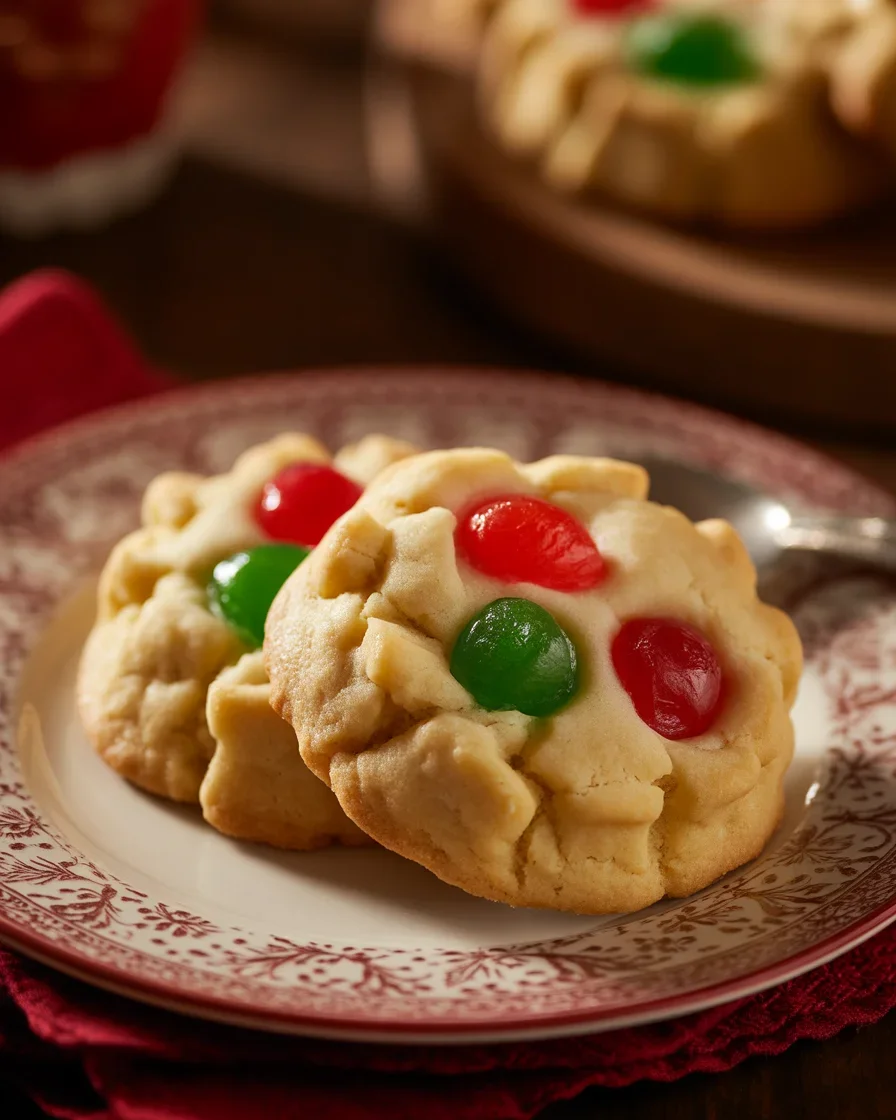

Melt-in-your-mouth Shortbread Cookies are the secret weapon I reach for when I need something sweet, simple, and guaranteed to impress. You know those days when you want a cookie that feels like a tiny cloud, soft and buttery, with just the right amount of sweetness? This is that cookie. No fancy tricks, no rare ingredients, no stress. Just a mixing bowl, real butter, and a few little tips that make all the difference. If you’ve ever struggled with crumbly dough or tough cookies, I’ll walk you through exactly how to fix that.

The Story Behind This Recipe
Here’s why I love this Melt-in-your-mouth Shortbread Cookies: it uses pantry staples and it tastes like a weekend dinner. Melt-in-your-mouth Shortbread Cookies are the secret weapon I reach for when I need something sweet, simple, and guaranteed to impress. You know those days when you…
Best shortbread cookie recipe
Why this version works
I’ve tried a lot of takes on shortbread, and this one is the one I keep coming back to. It’s classic, dependable, and turns out beautifully tender every time. The magic comes from two things. First, softened unsalted butter that gets whipped until it’s pale and fluffy. Second, a gentle mix of flour and cornstarch that keeps the crumb light. The texture is delicate and the flavor is pure, with a touch of vanilla. Perfect with tea, coffee, or a midnight snack straight from the cookie tin.
Want another buttery holiday favorite for your cookie tray? You might also love these Christmas butter cookies for a classic, festive look.
Ingredients
- 1 cup unsalted butter, softened to room temperature (226 g)
- 1/2 cup powdered sugar (60 g)
- 1 1/2 cups all-purpose flour (180 g)
- 1/2 cup cornstarch (60 g)
- 1/4 teaspoon fine salt
- 1 teaspoon vanilla extract
Directions
- Heat the oven to 300 F or 150 C. Line a baking sheet with parchment.
- Beat the butter in a stand mixer or with a hand mixer on medium for 3 to 4 minutes, until very pale and creamy.
- Gradually add the powdered sugar and beat another 1 to 2 minutes. Mix in the vanilla and salt.
- Whisk the flour and cornstarch together, then add in 2 or 3 additions, mixing on low just until combined.
- Chill the dough for 15 to 20 minutes so it firms up slightly for easy scooping.
- Scoop into 1 tablespoon balls or pipe with a large star tip. Space them about 2 inches apart.
- Bake 15 to 18 minutes until the tops look matte and the bottoms are pale golden. Do not brown the edges deeply.
- Cool on the sheet 5 minutes, then move to a rack. Dust with powdered sugar if you like.
“I made these for a Sunday brunch and everyone quietly stopped talking during the first bite. They’re that soft. They live up to the name for sure.”
Note for flavor balance: a pinch of salt matters. It keeps the cookie from tasting flat and brings out that buttery finish. These are the kind of simple cookies that rely on good ingredients and gentle handling. If you want to build a cookie platter, add a pop of chocolate with these double chocolate snowball cookies too.
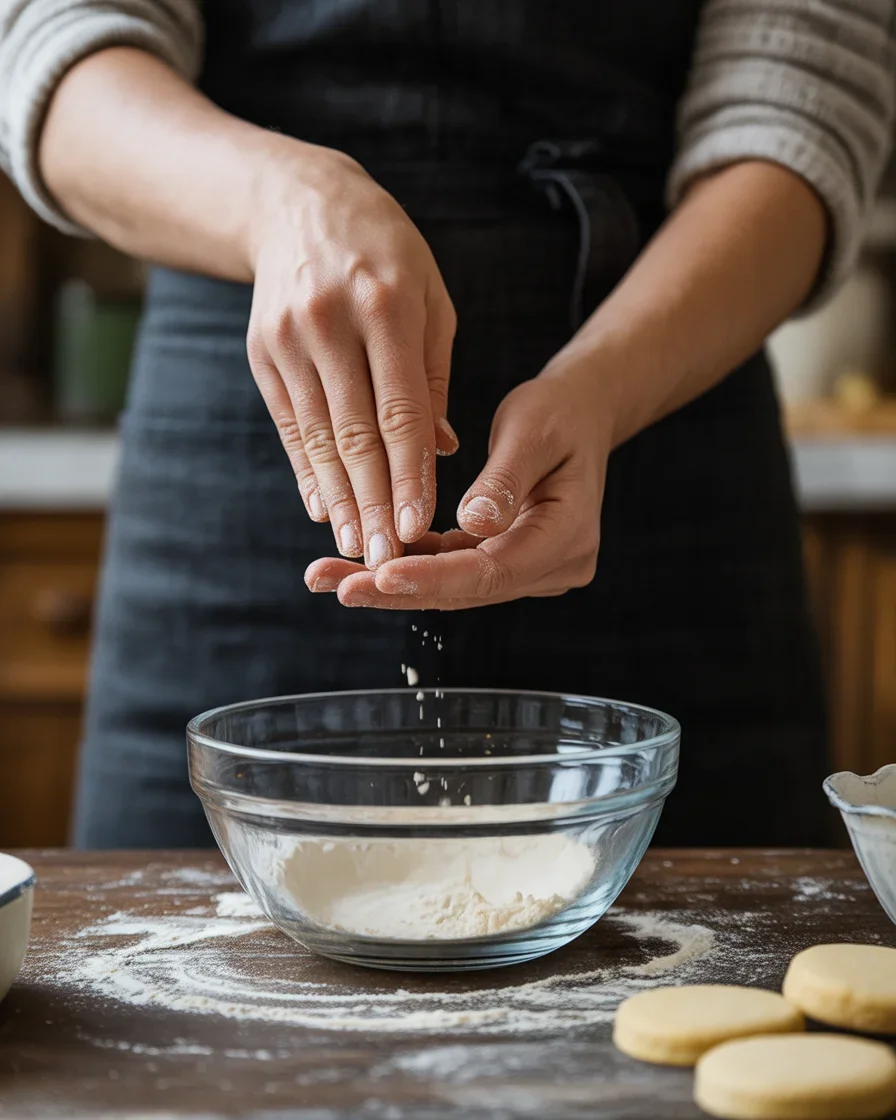
How to make the softest whipped shortbread cookies
Step by step game plan
If you’ve ever wondered why some shortbread is tough or dry, it usually comes down to how the butter is treated. For the softest result, key steps matter. Start with butter that’s truly room temperature. It should give easily when you press it, not oily or melty. Whip it long enough to look pale and spreadable. This traps air, which bakes into that classic meltaway crumb. This is the heart of Melt-in-your-mouth Shortbread Cookies.
Once your butter is whipped and the sugar is blended in, switch your mixer to low and add the dry ingredients in two or three parts. Stop mixing as soon as you have a soft, cohesive dough. Overmixing creates gluten and a tougher bite. A quick rest in the fridge for 15 to 20 minutes helps the dough hold its shape, whether you’re scooping or piping. If piping, give the dough an extra minute in the mixer so it’s smooth and pipeable.
Bake low and slow. I like 300 F for 15 to 18 minutes. You’re not aiming for browned edges. These are delicate cookies that stay pale. The tops will go from glossy to matte when they’re ready. If your oven runs hot, use an oven thermometer and adjust racks so you’re baking in the center.
Let the cookies cool on the sheet for a few minutes before moving them. They’re fragile when hot and can break if you rush. Store in an airtight tin at room temp for several days. The flavor and texture actually improve by day two. If you prefer a snowy finish, dust with powdered sugar when the cookies are fully cool so the sugar doesn’t melt.
If you love a tender crumb that practically disappears on your tongue, bookmark this technique. It’s the same idea you’ll find in favorites like sweetened condensed milk snowball cookies, which also lean into softness and gentleness during mixing.
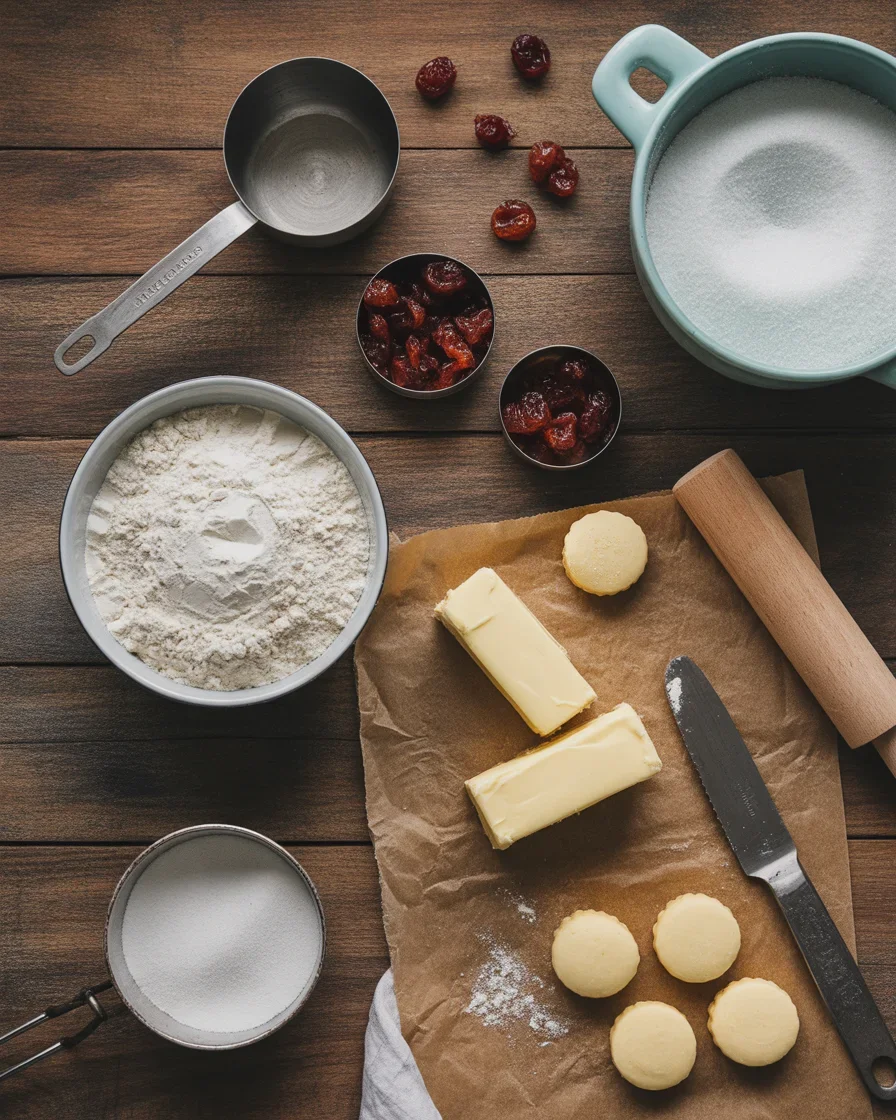
Tips for making whipped shortbread cookies in a stand mixer
Your mixer is your best friend here. A few small habits can turn pretty good cookies into bakery level cookies. These practical tips have saved me from the pitfalls that lead to heavy or greasy shortbread. They’re especially handy when you want consistently perfect Melt-in-your-mouth Shortbread Cookies for a party or gift boxes.
- Use the paddle attachment, not the whisk. It creams butter properly without over-aerating.
- Beat butter long enough. Set a timer for 3 to 4 minutes until it’s pale. Don’t guess.
- Scrape the bowl often. Butter hides in corners and throws off texture if not fully whipped.
- Sift the dry ingredients. This removes lumps and helps you mix less while still getting an even dough.
- Mix the dry ingredients on low and stop as soon as it comes together. Overmixing equals tough cookies.
- Chill briefly. If the dough is too soft to pipe or scoop neatly, the fridge fixes that in minutes.
- Use a light-colored baking sheet lined with parchment. Dark pans brown the bottoms too fast.
- Test one cookie. Bake a single one first to confirm timing and spread, then bake the rest with confidence.
Building a mixed cookie tin? Try pairing these with elegant layers like Italian rainbow cookies for color and variety. The contrast is beautiful and the textures complement each other.
Variations to try
Once you’ve got the base down, you can have a lot of fun with flavors. Keep the ratios the same and layer gentle accents so the buttery personality still shines. Here are some ideas that never fail.
Flavor twists
For citrus lovers, fold in 1 to 2 teaspoons of lemon zest or orange zest. The oils perfume the dough without overpowering it. If spices are your thing, sift in 1/2 teaspoon of cardamom or cinnamon with the flour. A tiny pinch of nutmeg adds warmth too.
Chocolate dip is a crowd pleaser. Melt dark chocolate, dip half the cookie, and add a few crushed pistachios or coconut flakes before it sets. Sprinkles also look adorable on piped rosettes, especially for birthdays.
Thumbprint style works well. Press a small indentation in each ball of dough and fill after baking with raspberry jam or lemon curd. If you like a tropical vibe, you might enjoy these Hawaiian pineapple coconut thumbprint cookies for inspiration on flavor pairings.
Tea time twist: stir in 1 teaspoon of finely ground Earl Grey tea leaves. Coffeehouse twist: add 1 teaspoon of instant espresso powder to the dry ingredients and finish with a drizzle of white chocolate. For a nutty edge, roll the dough balls in finely chopped toasted almonds before baking.
And if you’re building a cookie board, add something simple and nostalgic like Southern tea cake cookies. They pair well with these soft shortbread beauties and give guests options.
What are common mistakes when making shortbread?
Using cold butter is the first culprit. If the butter isn’t soft enough to whip properly, your cookies will be dense and won’t have that delicate crumb. Give it time on the counter and resist the microwave, which can melt pockets and throw off the texture.
Another common issue is overmixing after you add the flour. Once the dry ingredients go in, mix just until you don’t see streaks. Extra mixing develops gluten, which leads to a chewy bite, not the tender softness we want in Melt-in-your-mouth Shortbread Cookies.
Baking at too high a temperature will brown the edges before the centers finish, and the cookies can dry out. Stick to 300 F or 150 C. The tops should look matte, not golden, when you pull them out. They will set as they cool.
Skipping the chill can cause excessive spreading, especially in warm kitchens. A quick 15-minute chill firms the dough enough for neat shapes. And lastly, measuring flour incorrectly can wreck the ratio. Either weigh it or spoon and level in your cup. Packing flour densely leads to dryness.
Common Questions
Can I make the dough ahead?
Yes. Cover and chill up to 2 days or freeze up to 2 months. Thaw in the fridge, then let it sit at room temp until scoopable or pipeable.
Why is my dough crumbly?
It’s usually too much flour or not enough mixing at the creaming stage. Weigh your ingredients if you can, and make sure the butter gets fully whipped before adding dry ingredients.
Can I use salted butter?
Yes, just skip the added salt. The flavor will be slightly different but still delicious.
How do I store them so they stay tender?
Keep in an airtight tin at room temperature for 5 to 7 days. Add a small sheet of parchment between layers. The texture actually improves after the first day.
Can I flavor the dough with extracts?
Absolutely. Try almond or lemon extract, but go light, about 1/2 teaspoon, so you don’t overpower the butter base.
Let’s bake a batch you’ll be proud of
These Melt-in-your-mouth Shortbread Cookies are simple in ingredients and generous in comfort. Whip the butter well, measure thoughtfully, and bake low and slow. That’s all it takes for soft, delicate cookies that feel special without any fuss. If you want to keep exploring, this guide to Whipped Shortbread Cookies is a great deep dive, and I love the nostalgic spin in Melt-In-Your-Mouth Shortbread Cookies – Claudia’s Cookbook. Now it’s your turn. Grab the butter, cue up a playlist, and enjoy the quiet joy of a cookie that truly melts the moment it hits your tongue.
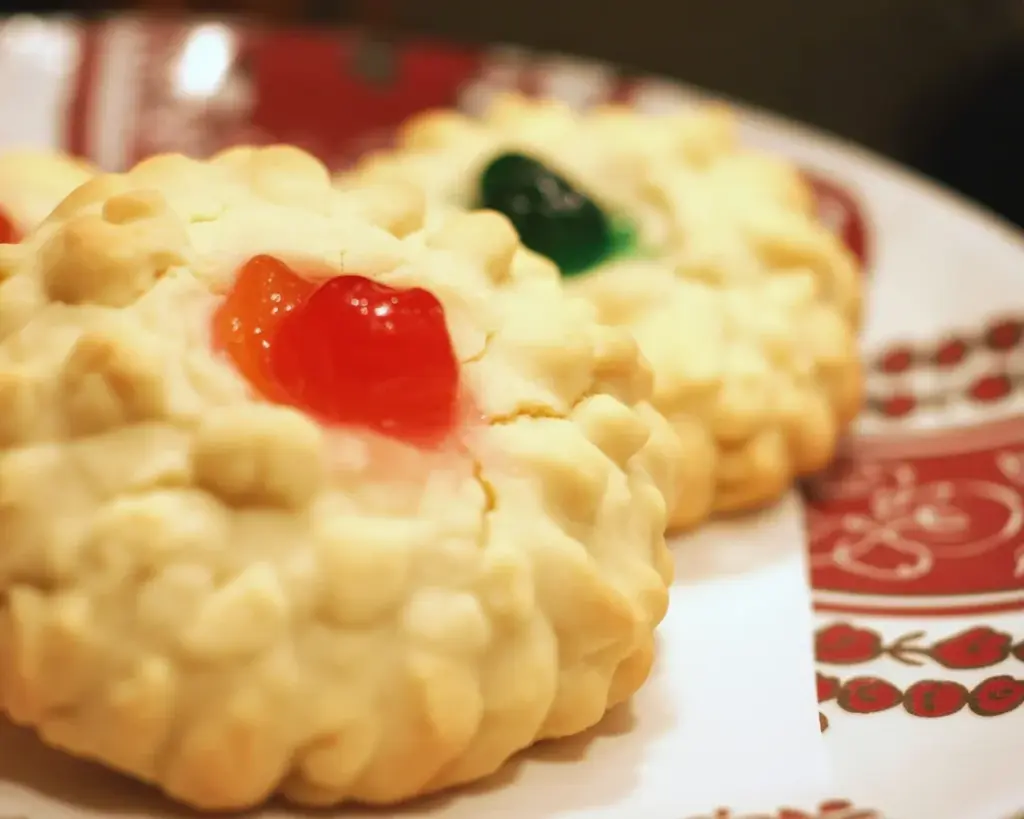
Melt-in-Your-Mouth Shortbread Cookies
Ingredients
Method
- Heat the oven to 300 F (150 C) and line a baking sheet with parchment paper.
- In a stand mixer or with a hand mixer, beat the butter on medium for 3 to 4 minutes until very pale and creamy.
- Gradually add the powdered sugar and beat for another 1 to 2 minutes. Mix in the vanilla and salt.
- Whisk the flour and cornstarch together, then add them in 2 or 3 additions, mixing on low just until combined.
- Chill the dough for 15 to 20 minutes to firm up slightly for easy scooping.
- Scoop the dough into 1 tablespoon-sized balls or pipe using a large star tip, spacing them about 2 inches apart.
- Bake for 15 to 18 minutes until the tops appear matte and the bottoms are pale golden. Do not allow the edges to brown deeply.
- Cool on the baking sheet for 5 minutes before transferring to a rack. Optionally dust with powdered sugar after cooling.