

A fish finger sandwich is one of those simple comfort foods that doesn’t need much explaining. Crispy breaded fish tucked between slices of bread makes a satisfying lunch, especially when the bread is soft and the fish is still warm.
Known as a fish finger butty in parts of the United Kingdom, this sandwich is also familiar to American readers as a fish stick sandwich. The names may differ, but the appeal is much the same: crunchy fish, comforting bread, and whatever sauce or topping suits your taste.
A good fish finger sandwich recipe should have a clear contrast between the crisp coating and soft bread. The fish shouldn’t be soggy, and the sandwich should hold together comfortably without becoming overloaded.
What Is a Fish Finger Sandwich?
A fish finger sandwich is made with breaded fish fingers served between slices of bread or in a roll. It’s a familiar casual meal in British home cooking, particularly as a quick lunch.
The sandwich can be simple or dressed up with sauces and other toppings.
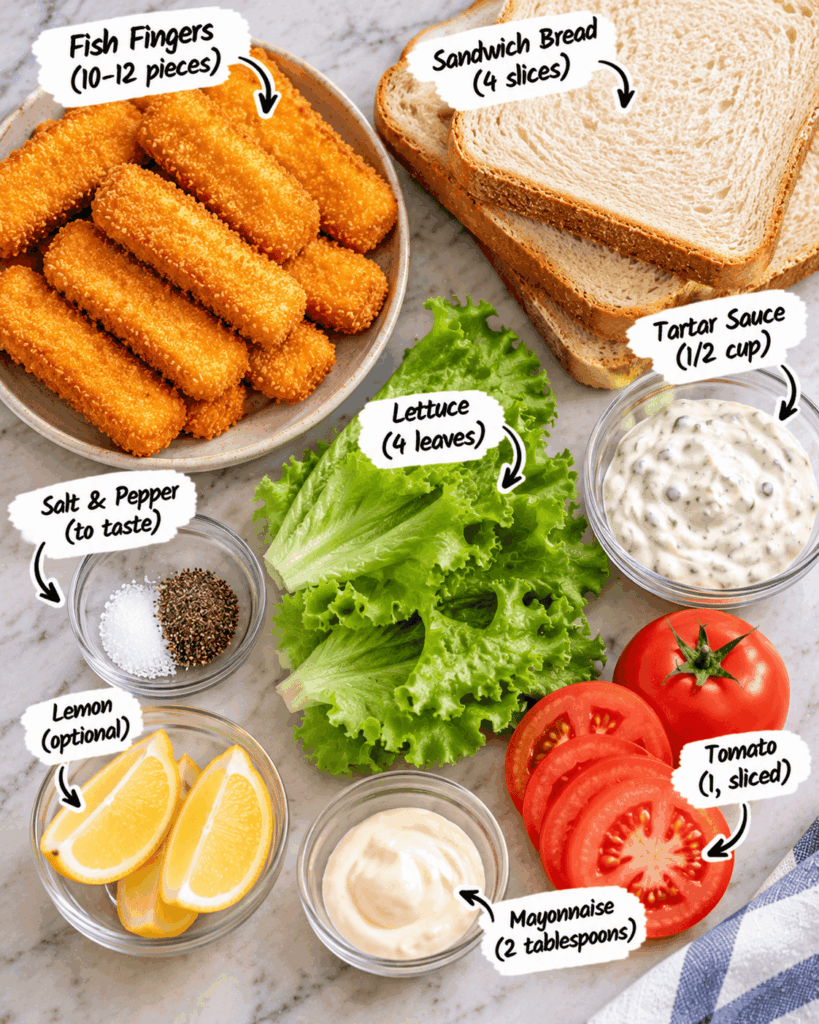
Fish Fingers in the UK and Fish Sticks in the US
Fish fingers and fish sticks are essentially different regional names for similar breaded fish products.
Their exact shape, fish variety, and coating can vary by brand. The terminology doesn’t necessarily indicate a different kind of sandwich.
Fish Finger Sandwich vs. Fish Finger Butty
The word butty is commonly used in parts of Britain for a sandwich, particularly one filled with a familiar comfort food.
A fish finger butty is therefore generally the same idea as a fish finger sandwich. Some people associate the term with a particularly simple, nostalgic presentation.
Why It’s Such a Comfort-Food Favorite
The combination of crispy fish and soft bread is easy to enjoy. It’s familiar, filling, and particularly satisfying when served fresh.
For many people, it’s the sort of lunch associated with childhood or casual weekend meals.
The Best Bread and Texture Contrast
Bread affects how the sandwich feels as much as the fish itself. Soft bread creates a classic contrast, while toasted bread offers a firmer bite.
The best choice depends on the sandwich’s filling and sauce.
Soft White Bread
Soft white sandwich bread is closely associated with the traditional British fish finger butty. Its mild flavor allows the breaded fish to remain the focus.
Toasted Bread
Toasted bread offers extra texture and may stand up differently to sauces. It creates a less traditional but still appealing sandwich.
Rolls and Buns
A soft roll can make the sandwich feel more substantial. It may be particularly convenient when the fish fingers are served with several toppings.
How to Keep the Sandwich Crisp
Crisp fish is central to the sandwich’s appeal. When the coating becomes soft, the contrast with the bread disappears.
Avoiding Soggy Bread
Warm fillings and sauces can introduce moisture into the bread. A sandwich that’s left sitting for a long time may lose its fresh texture.
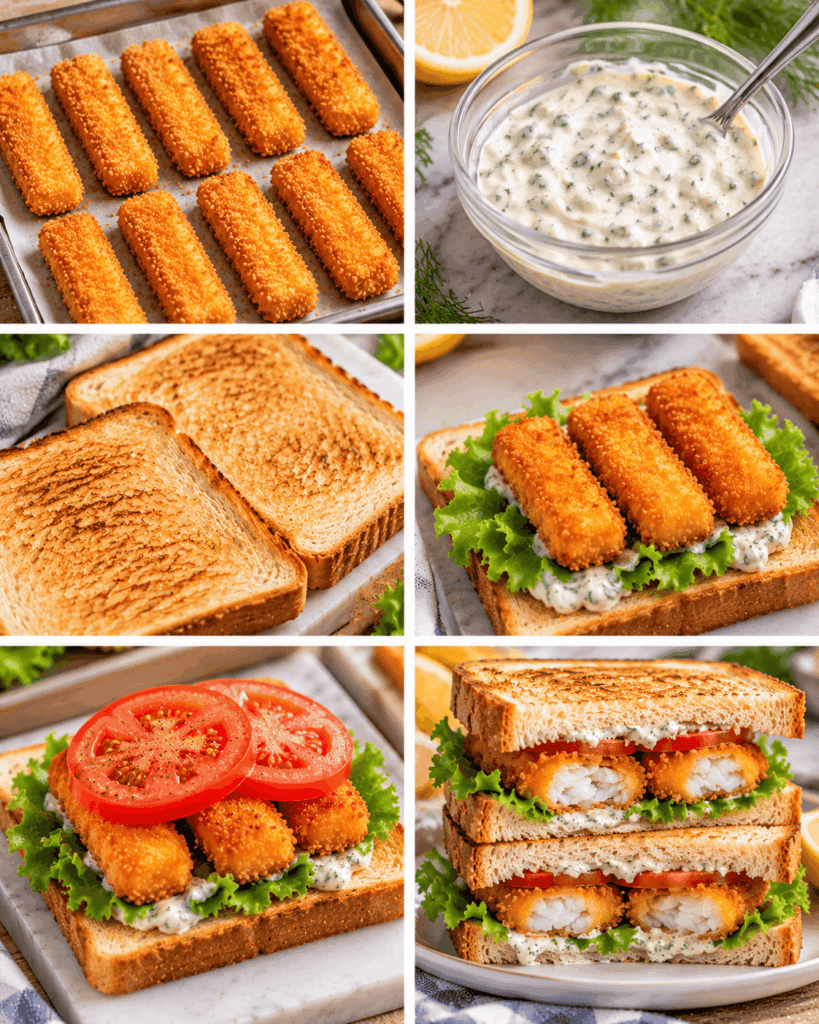
Balancing Sauce and Crunch
Sauce can make a fish finger sandwich more flavorful, but too much can overwhelm the coating.
The ideal balance gives the sandwich enough moisture to feel satisfying without making it messy.
Condiment and Topping Variations
Fish finger sandwiches can be served with a variety of sauces. Tartar sauce, mayonnaise, ketchup, and other condiments are familiar options.
However, the original recipe card should determine which sauce belongs in this specific version.
Tartar Sauce
Tartar sauce provides a creamy, tangy contrast to breaded fish. It’s a familiar pairing with many fried fish dishes.
Mayonnaise
Mayonnaise adds richness without a particularly strong flavor. It can work well when the fish coating is already heavily seasoned.
Fresh Toppings
Lettuce, pickles, or other fresh additions can provide crunch and acidity. They change the sandwich’s character but aren’t essential to the classic idea.

What to Serve with a Fish Finger Sandwich
French fries or potato wedges are natural companions. The combination creates a casual, satisfying meal reminiscent of fish and chips.
For a lighter lunch, serve the sandwich with coleslaw, sliced cucumber, or a simple salad.
A few pickles can also provide a sharp contrast to the rich, breaded fish.
Make-Ahead and Leftover Guidance
Fish finger sandwiches generally have their best texture when freshly served. The coating can soften during storage, and the bread may absorb moisture.
Refrigerate cooked fish promptly at 40°F or below and follow the product’s storage guidance. Reheat leftovers thoroughly to 165°F.
A fully assembled sandwich may not retain the same crispness as freshly prepared fish fingers.
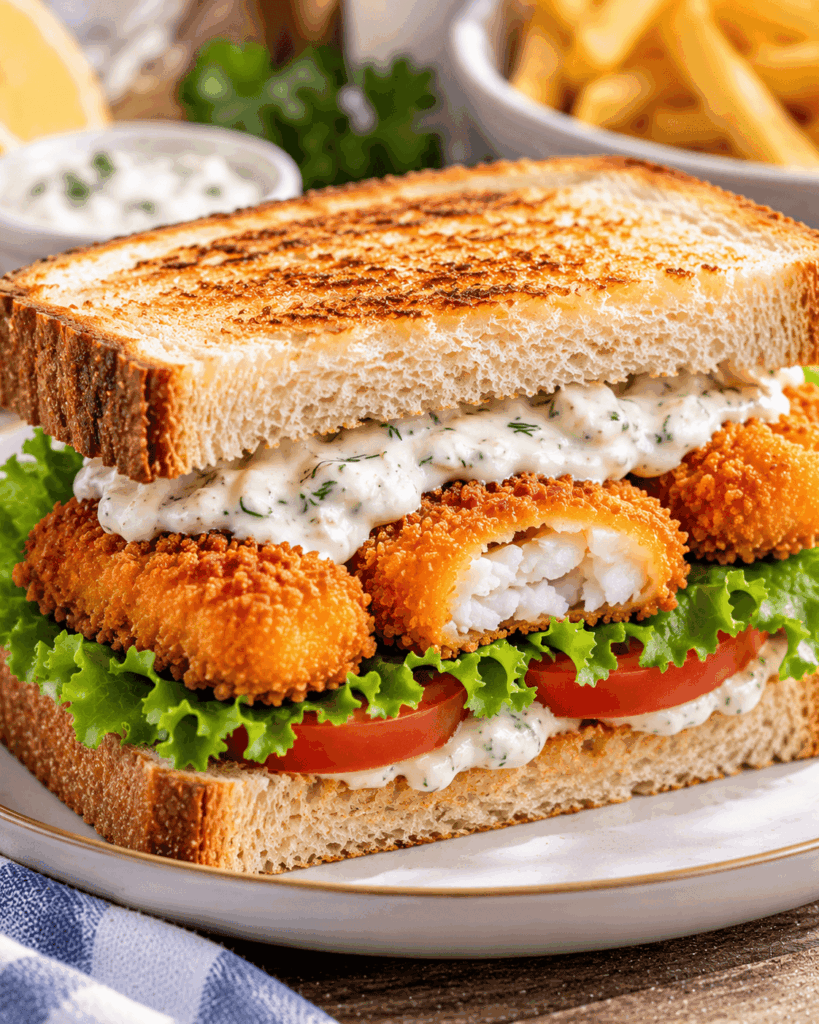
Frequently Asked Questions
Is a Fish Finger Sandwich the Same as a Fish Stick Sandwich?
Yes, the terms generally describe the same type of sandwich. Fish finger is more common in British English, while fish stick is familiar in American English.
What Bread Works Best?
Soft sandwich bread is a classic choice, but rolls and toasted bread can also work. The best option depends on the sauce and texture you prefer.
Can I Use Frozen Fish Fingers?
Yes, frozen fish fingers are commonly used for this type of sandwich. Follow the product’s cooking and food-safety instructions.
How Do I Reheat Leftover Fish Fingers?
Use a food-safe reheating method and heat leftovers thoroughly to 165°F. The coating may not be as crisp as it was when freshly prepared.
Final Thoughts
A Classic Fish Finger Sandwich is a wonderfully simple lunch built around a familiar combination of textures. Crispy fish, soft bread, and a well-chosen sauce make it comforting without being complicated.
Whether you call it a fish finger butty or a fish stick sandwich, the best version is fresh, crunchy, and satisfying from the first bite to the last.
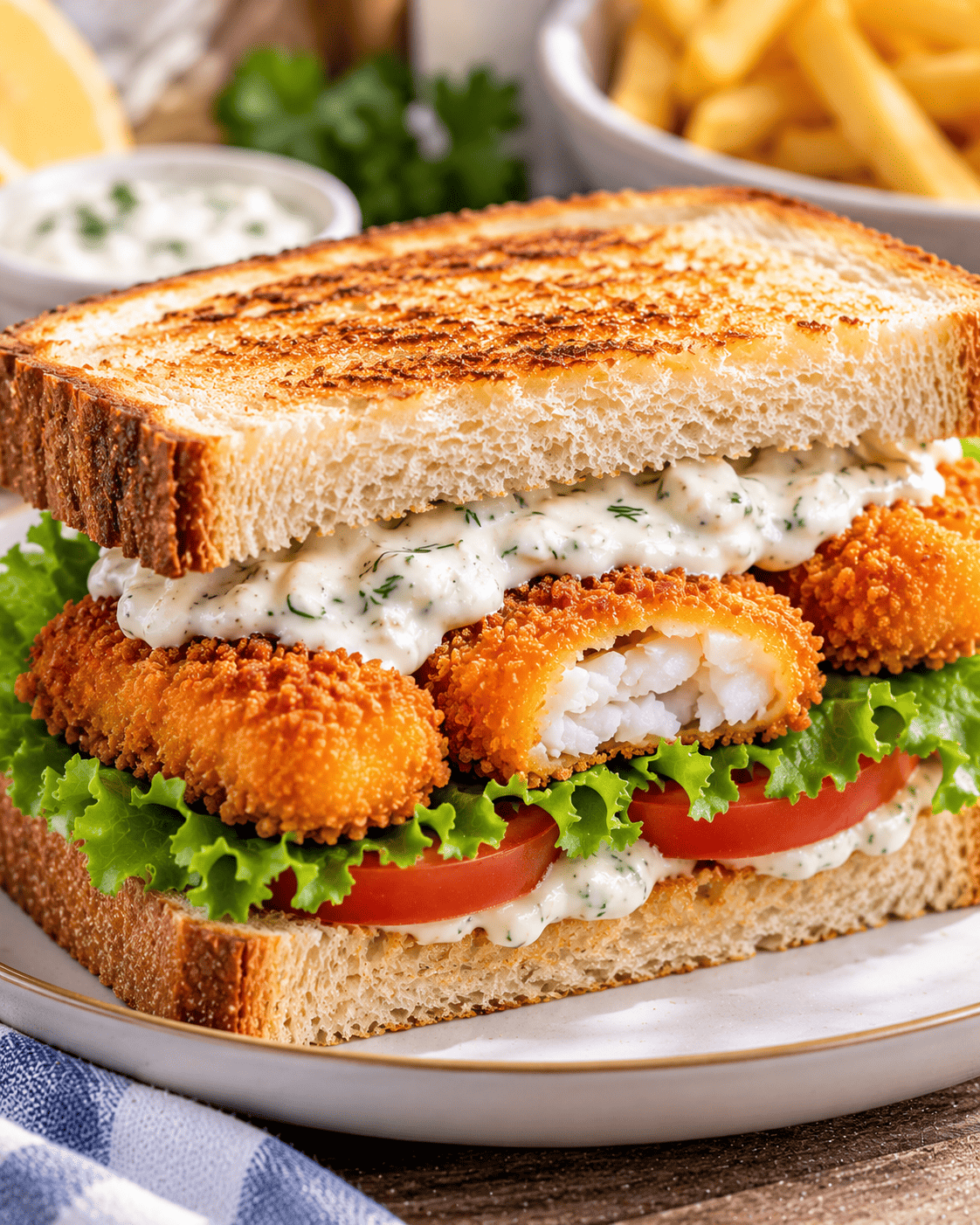
Fish Finger Sandwich
Ingredients
Method
- Preheat the oven according to the package instructions for the fish fingers.
- Prepare your bread slices or rolls by toasting, if desired.
- Place the fish fingers on a baking sheet and cook in the preheated oven until golden and crispy, about 12-15 minutes.
- Spread tartar sauce on one slice of bread.
- Add the crispy fish fingers on top of the sauce.
- Top with lettuce and pickles, if using.
- Finish by placing the second slice of bread on top.
- Cut the sandwich in half and serve immediately.