
Deep Fried Turkey Recipe Safety Tips are the difference between a fun holiday meal and a stressful backyard situation. If you have ever watched someone lower a turkey into hot oil and thought, “That looks kind of scary,” you are not alone. The first time I tried it, I was so nervous I triple checked everything like I was launching a rocket. The good news is that deep frying a turkey can be safe and honestly pretty simple when you follow a few rules. Let me walk you through how I do it, what I avoid, and the little habits that keep everyone calm and hungry in a good way. 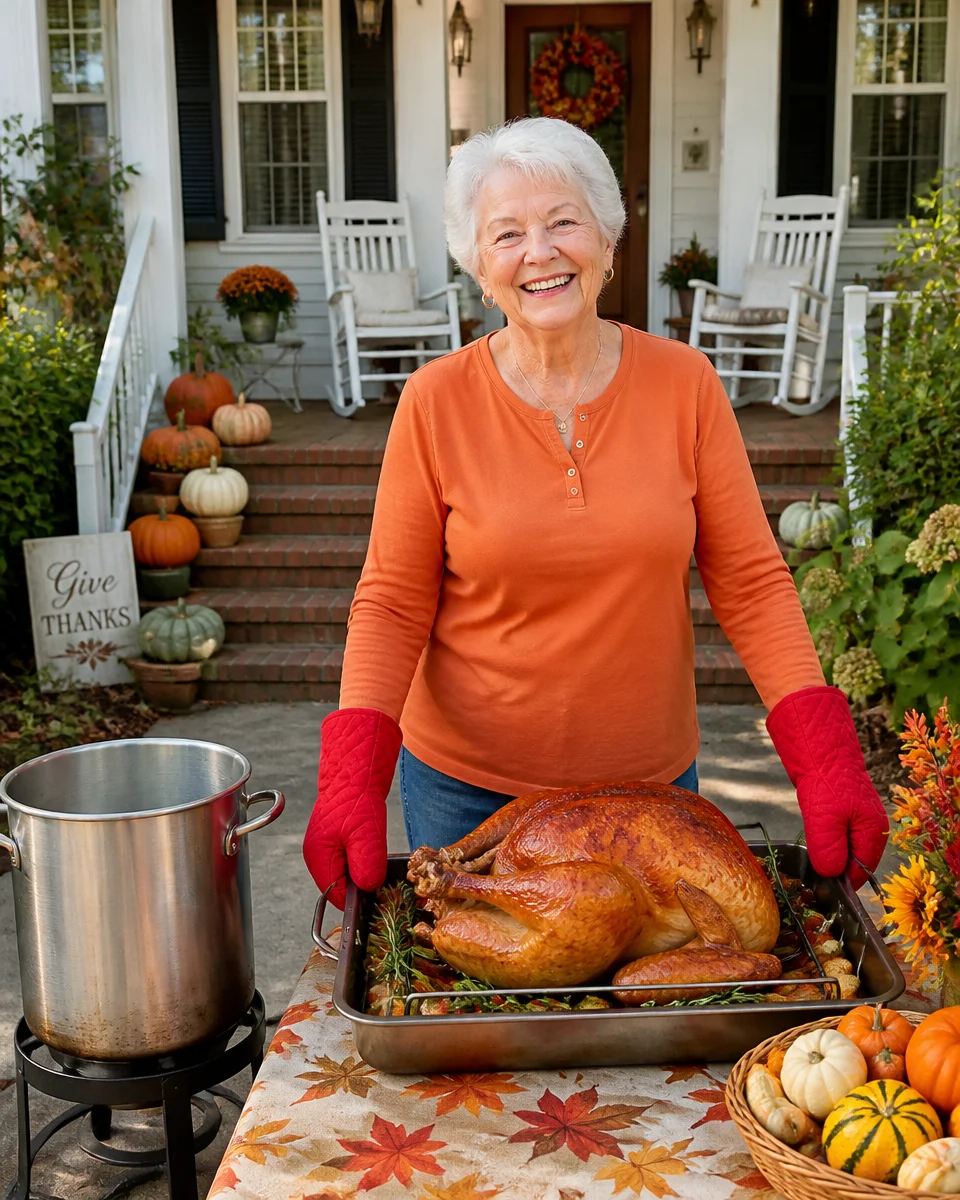
Tips to help prevent deep fried turkey accidents
I am going to start with the safety stuff because, truly, this is where people get into trouble. Hot oil is no joke, and turkeys are big, awkward, and sometimes still half frozen (please do not). My personal goal is to make the process boring. Boring is safe.
My non negotiable safety rules
- Fry outdoors only on a flat surface, far from the house, garage, fences, and anything that can burn.
- Never fry a frozen or partially frozen turkey. Ice turns to steam fast and makes oil overflow.
- Keep kids and pets away. I set a “no crossing” zone around the fryer.
- Turn off the flame (or heat source) before lowering the turkey into oil, then turn it back on once the turkey is settled.
- Go slow. Lower the turkey gradually so the oil does not surge.
- Have a fire extinguisher rated for grease fires nearby. Not somewhere inside the house.
Also, think ahead about cleanup. Hot oil and raw turkey drips can make a mess. I like to set up a little “landing zone” with cardboard and paper towels, kind of like how I try to keep things tidy day to day. If you are into easy routines like that, this post about habits for a clean home without deep cleaning has the same vibe.
One more thing that helps prevent accidents is staying focused. This is not the moment to run inside for more seasoning or to scroll your phone. I prep everything first, then fry. If your friends show up with snacks, great, just keep them out of the fry zone. If you want an easy appetizer to keep people busy away from the fryer, I love a simple 7 layer dip recipe.
Best practices for deep frying a turkey
This is the part where it gets fun, because when you do it right, the turkey comes out juicy with that crispy skin that makes everyone hover around the cutting board. These are my best practices that I follow every time, even when I think I “already know.”
How I prep the turkey for great results
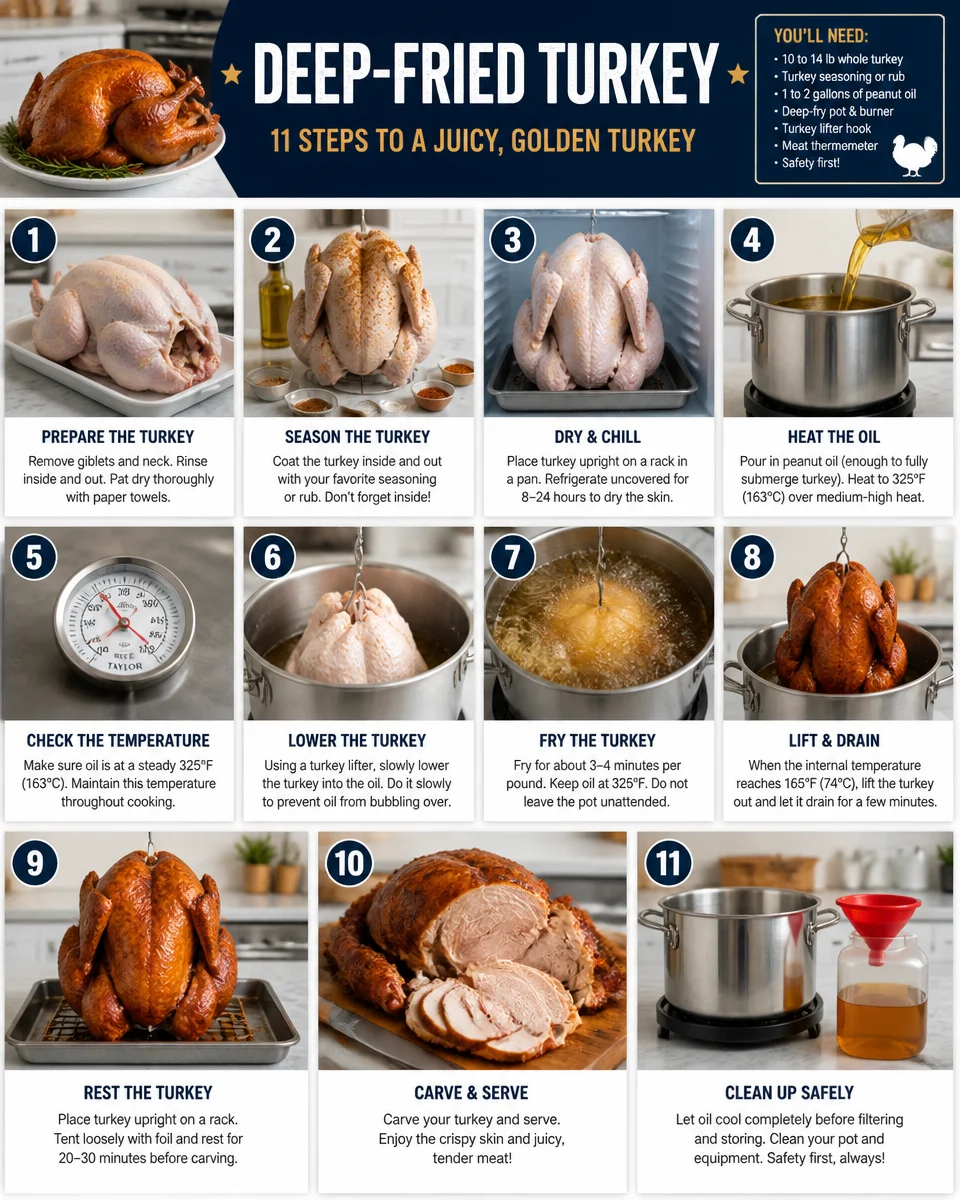
Start with the right size bird. I like a turkey in the 10 to 14 pound range. Bigger than that gets harder to handle and takes longer to cook evenly. Make sure it is fully thawed, then pat it really dry inside and out. Dry skin helps prevent oil splatter and it also crisps better.
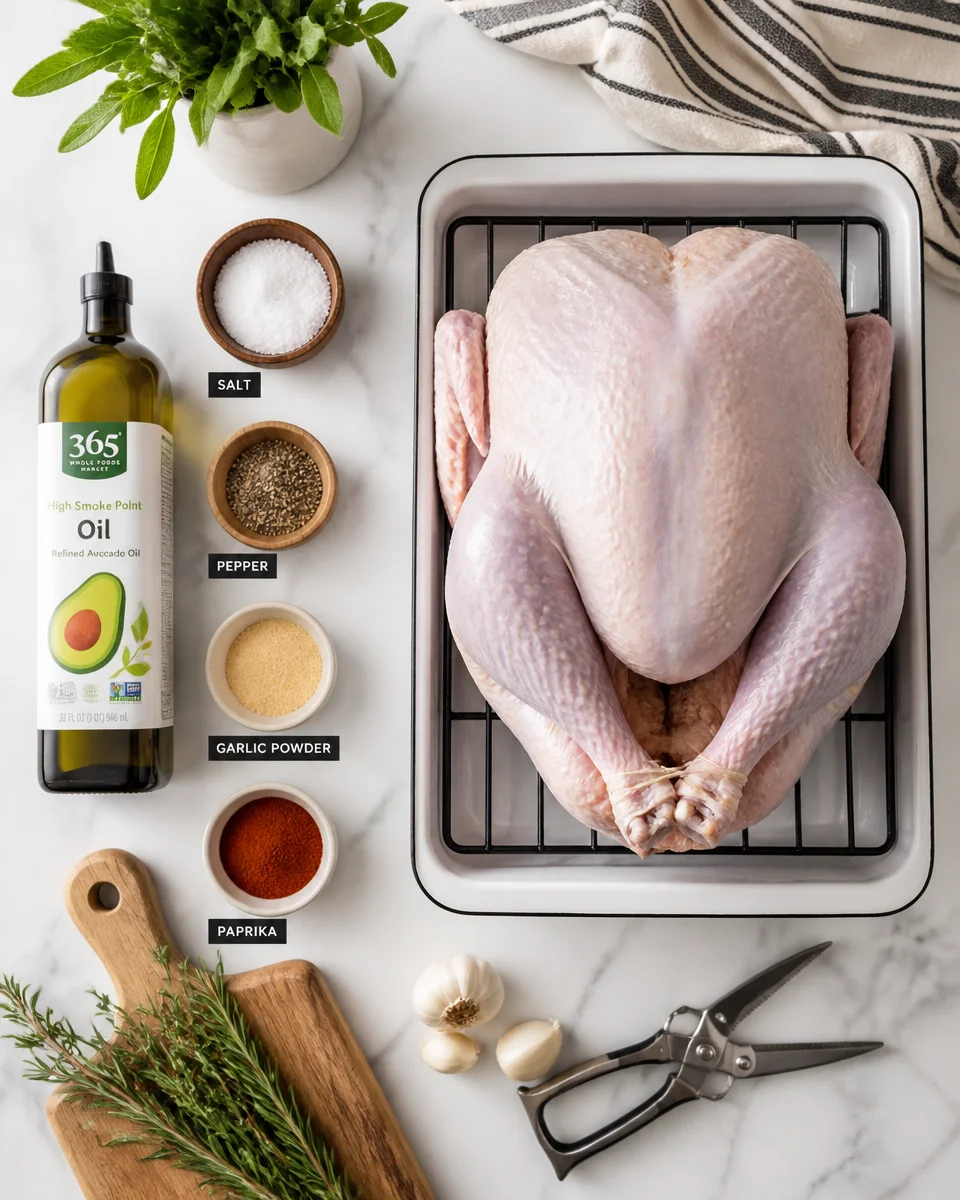
Seasoning is up to you, but I keep it simple. I usually do salt, pepper, garlic powder, and paprika. If you use a marinade or injection, keep it reasonable and wipe off excess. Wet turkey plus hot oil equals extra popping.
The easiest way to avoid oil overflow is to measure the oil level before you ever heat it. Put the turkey in the empty pot, add water until it covers the turkey by about an inch, then remove the turkey and mark that water line. Dump and dry the pot completely, then fill oil to that line. This little step is one of the biggest Deep Fried Turkey Recipe Safety Tips I can give you.
For cooking, I aim for oil around 325 to 350 degrees Fahrenheit. I use a clip on thermometer, and I keep checking it because wind and cold weather can mess with the heat. Turkey is done when the thickest part of the breast hits 165 degrees and the thigh is around 175. Use a meat thermometer, not vibes.
When the turkey is done, lift it slowly and let it drain back into the pot. Then set it on a sturdy tray with paper towels and let it rest 15 to 20 minutes before carving. The smell at this point is honestly unfair to everyone waiting inside.
While the turkey rests, I sometimes throw together a cozy side. If you want something easy and a little nostalgic, these 7 up biscuits are a total crowd pleaser.
Common mistakes to avoid when deep frying
I have seen a few classic mistakes over the years. Some are dangerous, and some just make the turkey come out disappointing. Here is what I try hard not to do.
Mistake one: rushing the thaw. A turkey that feels thawed on the outside can still have ice inside. Give it time in the fridge. If you are unsure, do not fry it.
Mistake two: seasoning with lots of sugar. Sugary rubs can burn fast in hot oil. If you want sweet flavors, save them for a glaze after frying.
Mistake three: overfilling the pot. This is how you get oil spilling over the sides. That overflow can hit the flame and cause a fire. Measure the oil level like I mentioned earlier.
Mistake four: frying too close to the house. Even if you think it is safe, wind can push heat and splatter. Give yourself more space than you think you need.
Mistake five: carving right away. If you cut immediately, the juices run out and the meat dries faster. Resting is not optional.
I will add one more “soft” mistake. People sometimes try deep frying for the first time during a big gathering. If you can, do a practice run with a chicken or a smaller turkey when the pressure is lower. The confidence you gain is huge.
“We followed your safety steps, especially measuring the oil and drying the turkey, and it was the calmest deep fry we have ever had. No flare ups, and the turkey was so juicy.”
Essential equipment and safety gear for deep frying
Having the right tools makes everything smoother and safer. You do not need a million gadgets, but you do need a few basics that you can trust.
- Turkey fryer pot and burner rated for the size you are frying
- High smoke point oil like peanut oil or refined canola
- Thermometer for the oil so you do not guess
- Meat thermometer for checking doneness
- Sturdy lifting hook or rack made for turkeys
- Heat resistant gloves that go up your forearm
- Long sleeve shirt, closed toe shoes, and I like wearing jeans
- Grease fire extinguisher close by
Also, make sure your propane tank and hoses look good, and that the burner is stable. Wobbly setups make me nervous. I keep a small table nearby for tools, seasoning, and a tray, so I am not juggling stuff with hot oil in front of me.
If you are planning a turkey themed meal and want another turkey recipe for later in the week, this cheesy turkey meatball skillet is a great way to use up leftovers or just change it up.
Troubleshooting deep frying issues
Even with the best planning, little issues can pop up. Here is what I do when things feel off, without panicking.

If the oil temperature keeps dropping: Your turkey might be too cold, too big, or the burner is struggling because of wind. Shield the burner from wind if you can do it safely, and be patient while the temperature climbs back. Do not crank the heat wildly and walk away.
If the outside is browning too fast: The oil is too hot. Lower the heat and keep checking. A too dark outside can mean the inside needs more time, and that is a recipe for dry turkey.
If the turkey looks done but the thermometer says no: Trust the thermometer. Different spots cook differently. Check the thickest part of the breast and the thigh, and keep frying until you hit safe temps.
If you see a small flare up: Turn off the burner immediately. Do not throw water on it. Keep your extinguisher ready. Most flare ups calm down fast once the heat source is off, but you have to take it seriously.
If the skin is not as crispy as you wanted: Usually the turkey was not dry enough before frying, or the oil temp was too low. Next time, pat it extra dry and keep the oil in that 325 to 350 range.
And listen, if you need a fun sweet snack for another day when you are not dealing with hot oil, these deep fried marshmallows are goofy in the best way. Just keep that project separate from turkey day chaos.
Common Questions
How long does it take to deep fry a turkey?
A common rule is about 3 to 4 minutes per pound, but always confirm with a meat thermometer for safe doneness.
What oil is best for deep frying a turkey?
Peanut oil is popular because it handles heat well, but refined canola or vegetable oil also work. Use something with a high smoke point.
Do I need to brine a turkey before frying?
You do not have to. A simple dry seasoning can be great. If you brine, make sure the turkey is very well dried before it goes anywhere near the oil.
Can I deep fry a stuffed turkey?
No. Stuffing changes the cooking time and can keep the inside from reaching a safe temperature.
What do I do with the used oil?
Let it cool completely, strain it, and store it if it is still clean and smells fresh. Otherwise, dispose of it according to your local guidelines, never down the drain.
My final pep talk before you fry
If you take anything from my Deep Fried Turkey Recipe Safety Tips, let it be this: thaw completely, dry it well, measure your oil, and stay present while you fry. Those four habits make the whole experience feel way less intimidating. For extra guidance, I like to point friends to Tips to safely deep fry a turkey – State Farm because it is straightforward and safety focused. And if you want a step by step overview from turkey people who do this all the time, How To Deep Fry Turkey – National Turkey Federation is a solid read. You have got this, and once you taste that crispy skin, you will understand why so many of us keep coming back to deep frying year after year. 
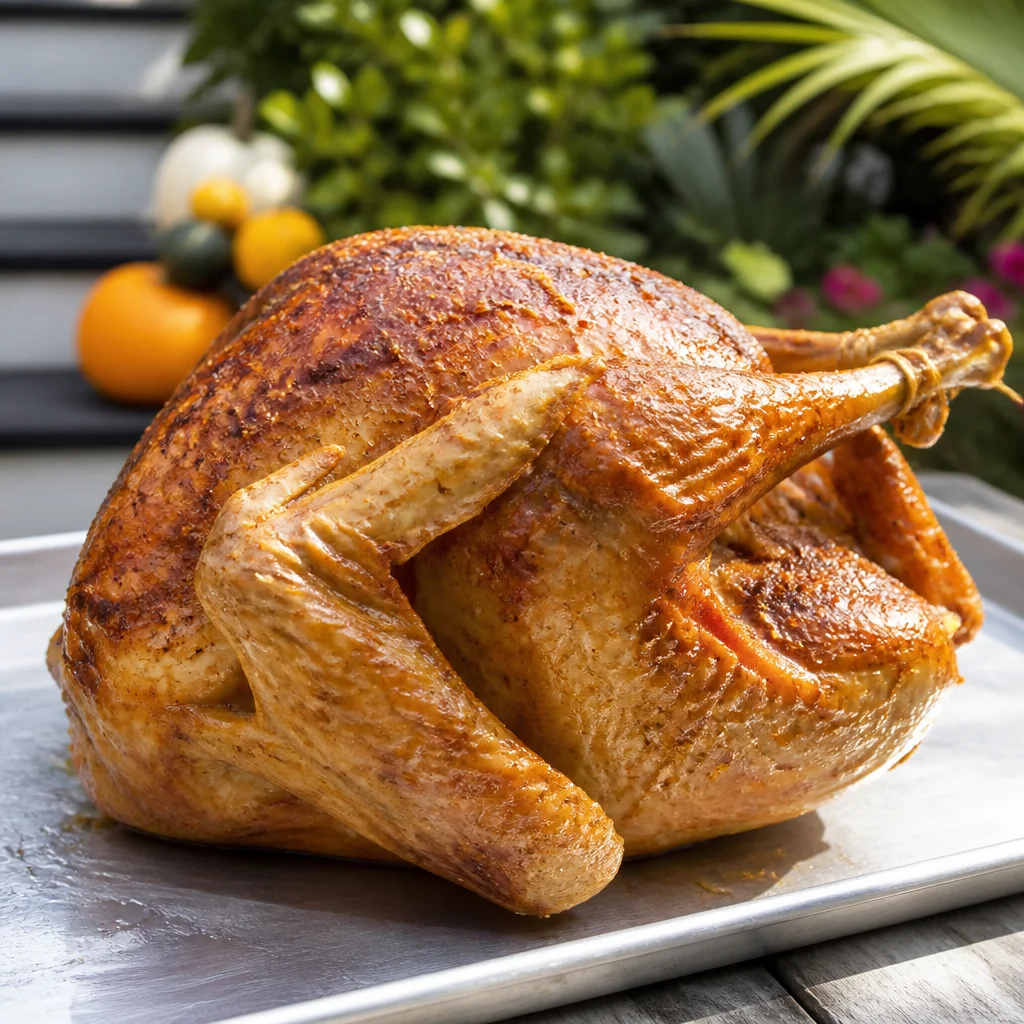
Deep Fried Turkey
Ingredients
Method
- Thaw the turkey completely and pat it dry, inside and out.
- Season the turkey with salt, pepper, garlic powder, and paprika.
- Measure the oil level by submerging the turkey in water, marking the water line, and filling the pot to that line with oil.
- Fry the turkey outdoors on a flat surface, away from flammable structures.
- Heat the oil to between 325 to 350 degrees Fahrenheit.
- Turn off the heat before lowering the turkey into the pot. Gradually lower to avoid oil surging.
- Fry for about 3 to 4 minutes per pound, checking the internal temperature.
- When the turkey’s thickest part reaches 165 degrees Fahrenheit, carefully remove it and let it drain.
- Let the turkey rest for 15 to 20 minutes before carving.