


Sleeping Positions That Can Help Relieve Common Pain—I mean, how many of us have woken up with that annoying neck crick or a back ache that refuses to quit? (I’ll be honest, I’m raising my hand over here). Sometimes, the problem isn’t what you think—it’s how you’re sleeping! So, before blaming your pillow or binging on late-night snacks again, let’s chat real talk about how your sleeping positions could be the secret sauce for pain relief. By the way, if you want even more down-to-earth advice, you’ll love this deep dive on back and neck pain relief dos and don’ts and some surprisingly effective simple kitchen ways to relieve plantar fasciitis pain—I swear, you’ll want to bookmark those for your next sleepy headache! 
Understanding the impact of sleeping positions on neck pain
Okay, so here’s the gist—your neck (and back, to be honest) don’t like being twisted like a pretzel for eight hours.
- Sleeping on your back with your neck properly aligned is one of the most pain-fighting moves you can make.
- Stomach sleeping (yikes) is usually the villain—it throws your neck all outta whack.
- Side sleepers? You could be a hero if your pillow game is strong.
- Just remember: a neutral spine is the gold standard—whatever that means for your quirky body.
“I switched to lying on my back with a thin pillow after years of waking up stiff, and it’s been a total game-changer for my neck!” — Maria T., New Jersey
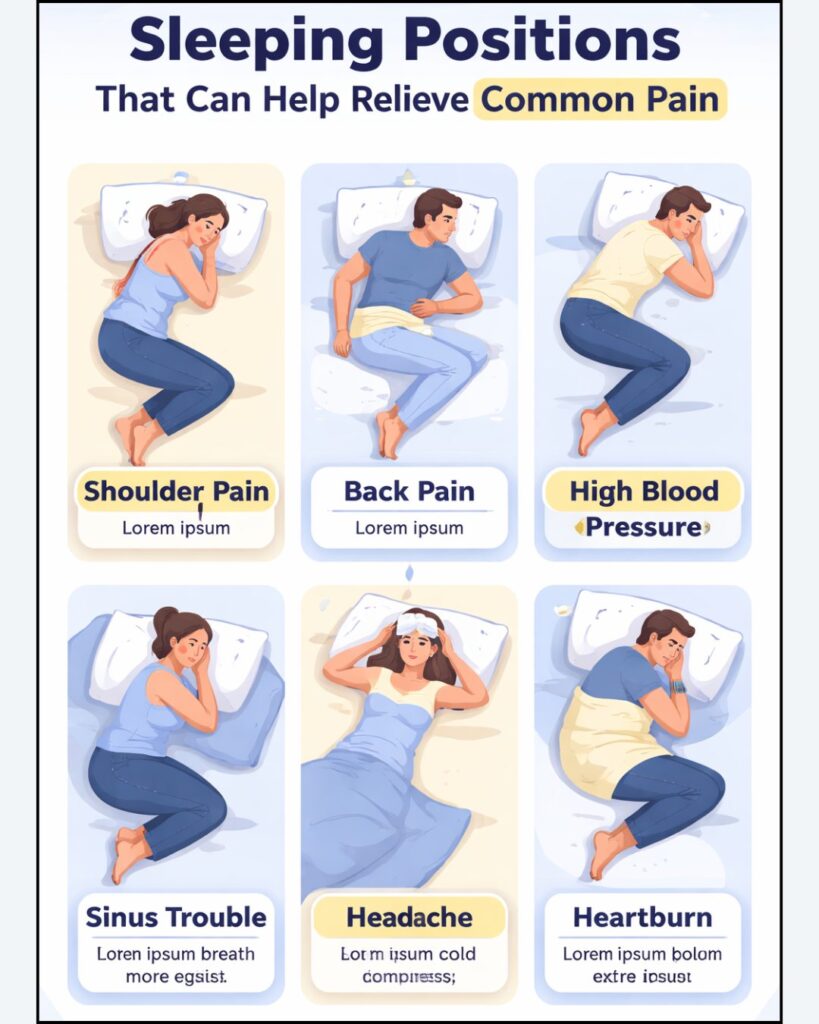
Tips for choosing the right pillow for optimal support
Let’s spill the tea—I used to buy my pillows based on what was on sale. Mistake.
- Your pillow’s job: keep your head level, so your neck isn’t flexed up or down.
- Too fluffy or too flat? Trouble in sleepy town.
- Memory foam and cervical pillows get a lotta love for supporting the natural curve.
- If you’re a side sleeper, hug a thicker pillow to fill that space between ear and shoulder.
Honestly, there’s no shame in a little trial and error here. If you’re relentless, your neck will thank you in the morning! 
Common sleeping positions and their effects on neck health
Alright, let’s get real specific now.
- Back Sleeping: Most docs say this is best for neck pain. Flat as a pancake (with a proper pillow!)
- Side Sleeping: Pretty solid—just make sure your pillow isn’t so thin your head droops or so thick you end up looking like you lost an argument with your mattress.
- Stomach Sleeping: Sorry, pals. This one is notorious for cranking your neck sideways—try to kick the habit if you can.
- Switching positions at night? Totally normal! Just aim to land on your back or side most often—you don’t have to be perfect, just consistent enough.
For more on this, check out the best and worst sleeping positions (it’s an eye-opener, swear).
Strategies to enhance sleep quality and comfort
Here’s where you get creative. You don’t have to reinvent your bed every night, just add a little extra love.
- Try a body pillow—hugging something can keep your neck and spine in check (plus, kinda cozy, right?).
- Lower back hurting? Slide a pillow under your knees (back sleeper) or between them (side sleeper). Seriously, this one felt like wizardry the first time I tried it.
- Avoid super soft mattresses; you need a surface with a bit of backbone.
- Start a bedtime stretch—five minutes, nothing fancy. Here’s a good figure-4 stretch for back pain, if you wanna mix things up.
You’d be amazed how small tweaks can totally flip your sleep script.
Importance of consulting a healthcare provider for persistent neck pain
Look—I’m all for home experiments to fix sleep, but don’t go lone-wolf if the pain just won’t quit.
- Some issues just need a pro: think pinched nerves or pain you literally can’t ignore.
- If you get numbness, tingling, or headaches that tag along, just call your doc.
- They might recommend imaging or therapy. Better safe than sorry, right?
- Don’t just toss another pillow at the problem after weeks of no progress.
Long story short…if you’ve been tweaking your sleeping positions without relief, get checked. No heroics needed.
Common Questions
Is there a “best” sleeping position for everyone?
Not really! Most experts (and honestly, lots of folks with achy necks) love back sleeping. But your body might vibe differently. It’s super personal.
Can the wrong pillow really cause neck pain?
Oh, totally. Wrong pillow equals wrong angle; your neck pays the price—sometimes immediately, sometimes after a week (ouch).
How often should I replace my pillow?
You’ll laugh but—about every 1-2 years. Once it goes flat or lumpy, it’s time.
Should I try to “train” myself to sleep on my back?
You can! Takes some patience and maybe a few pillow barricades, but loads of people make the switch for pain relief.
Are there simple tricks to ease pain fast if I wake up sore?
Absolutely! Even something like gentle stretching or a tennis ball massage (check out this tennis ball back pain trick) can do wonders. Just listen to your body, please.
Time to Sleep Smarter, Not Harder
So, here’s the bottom line: if you’re waking up cranky and achy, how you sleep matters about as much as what you binge on Netflix. Don’t be afraid to experiment with your sleeping positions—or change up your pillow—until you hit that “ahhh” sweet spot. If you want to go even deeper, this guide on sleeping dos and don’ts is a solid place to start next. And hey, you can also find golden external advice about positioning yourself for pain-free sleep with arthritis—so you can finally wake up ready to tackle another day, instead of creaking through it. Go on, give these tips a shot and see what a five-star night feels like!