

Victorian Stewed Potatoes are what I make when I need dinner to taste like a warm hug. Maybe you had a busy day, the fridge looks uninspiring, and you want something cozy that does not take fancy technique. These potatoes are simple, creamy, and full of old-fashioned comfort that feels right on a chilly evening. The best part is they come together with basic pantry ingredients and a little patience. I will walk you through exactly how I do it at home, with small tweaks that make a big difference. 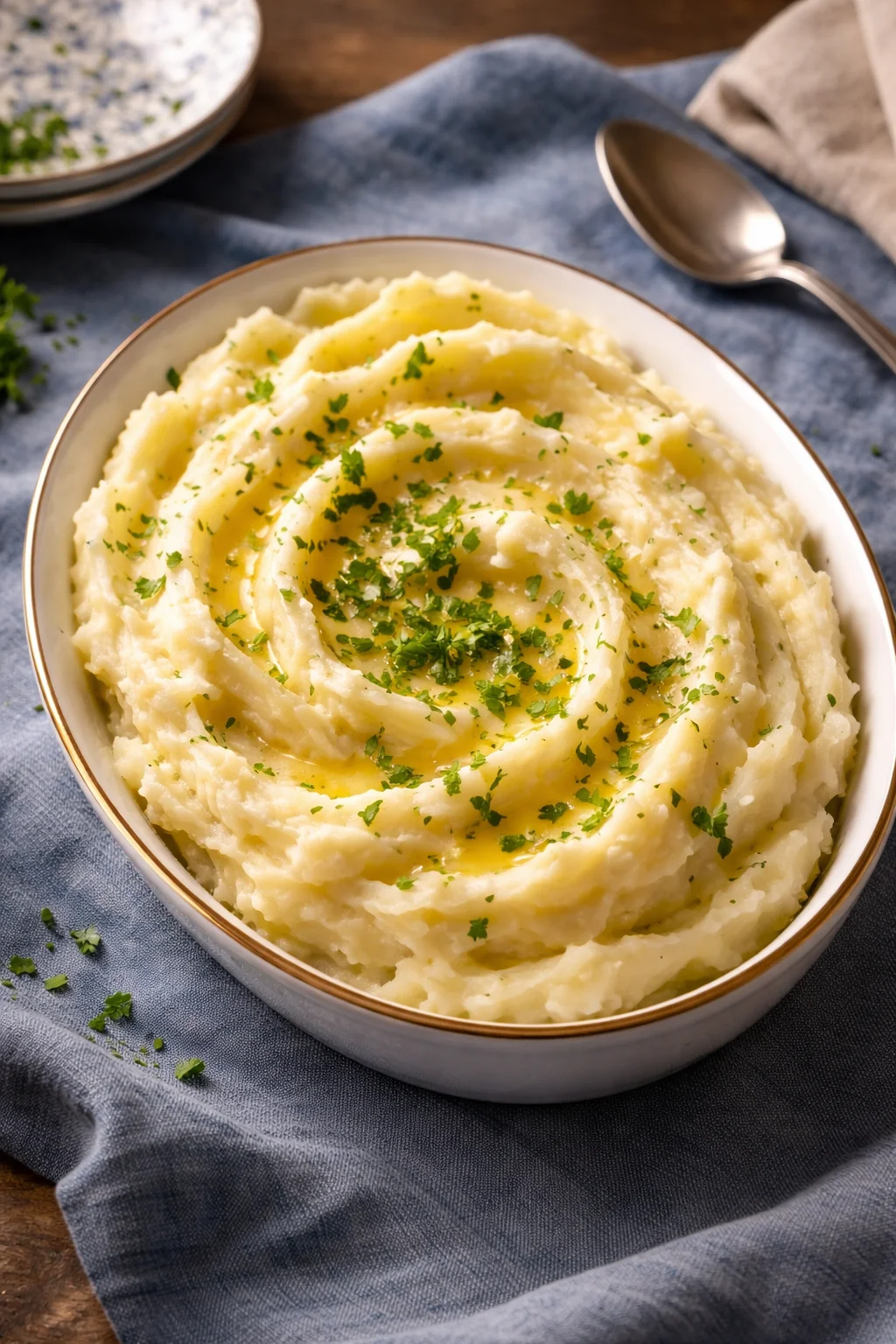

The Story Behind This Recipe
Here’s why I love this Victorian Stewed Potatoes: it uses pantry staples and it tastes like a weekend dinner. Victorian Stewed Potatoes are what I make when I need dinner to taste like a warm hug. Maybe you had a busy day, the fridge looks…
WHAT ARE VICTORIAN STEWED POTATOES?
At their core, this dish is all about cooking potatoes gently in a little water or stock, then enriching them with milk and butter until the liquid turns silky and the edges of the potatoes soften into the sauce. The flavor sits in that sweet spot between clean and comforting. The method is friendly to beginners, and it rewards slow heat. When people ask me what to expect, I say think of the calm of a soup, the coziness of a casserole, and the simplicity of classic potatoes all in one pot. I have cooked Victorian Stewed Potatoes for years, and every time I go back to it, I am reminded that humble ingredients can still feel special.
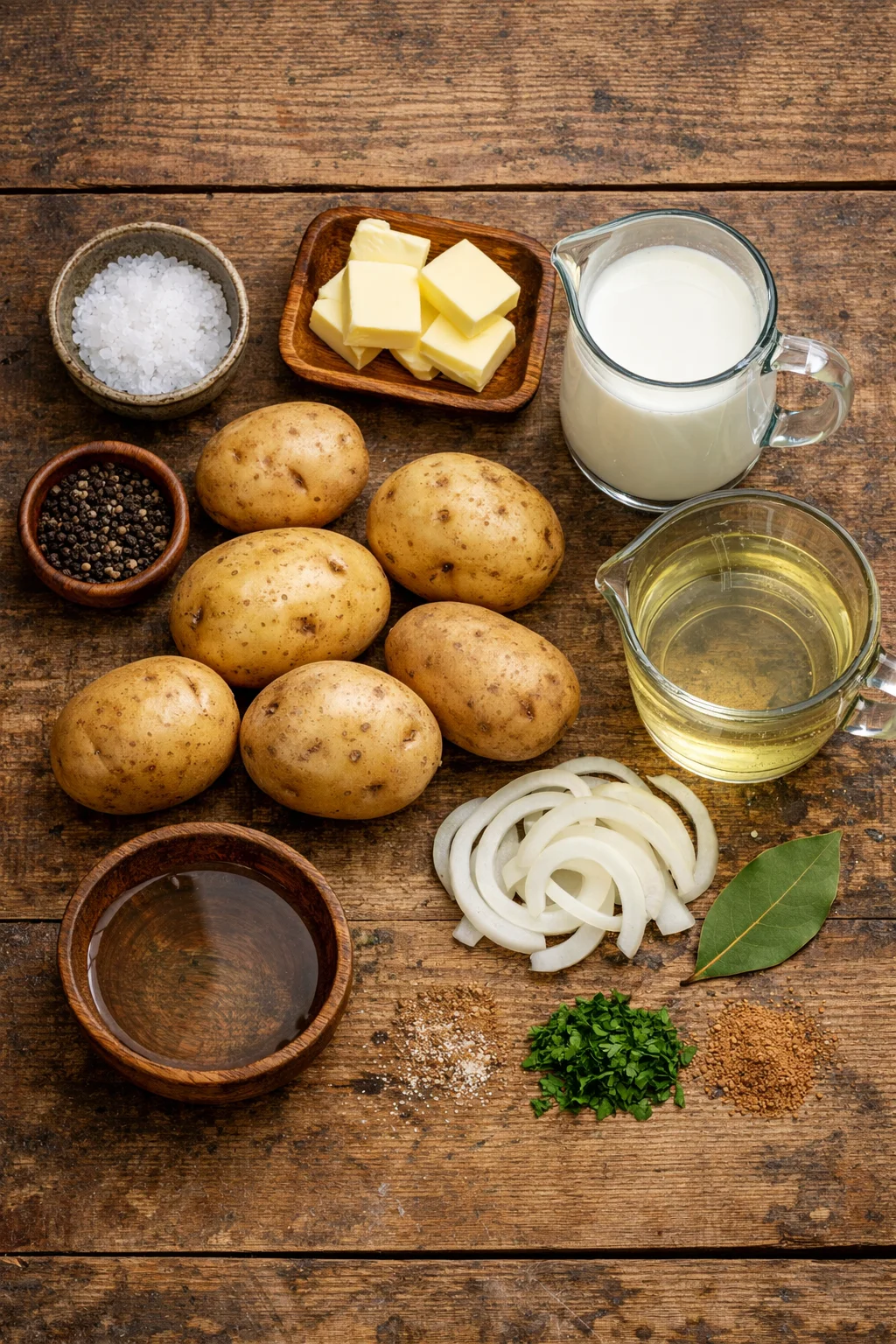
What You Will Need
- Potatoes: Yukon Gold or russet both work. I like Yukon for a naturally creamy finish.
- Butter: Real butter adds body and flavor.
- Milk: Whole milk is traditional; half-and-half makes it richer.
- Onion: A few thin slices for gentle sweetness.
- Bay leaf: Optional, but it adds a classic aroma.
- Salt and pepper: Start light and adjust at the end.
- Water or light stock: Just enough to barely cover the potatoes.
- Nutmeg or parsley: Optional finishing touch.
Simple Directions
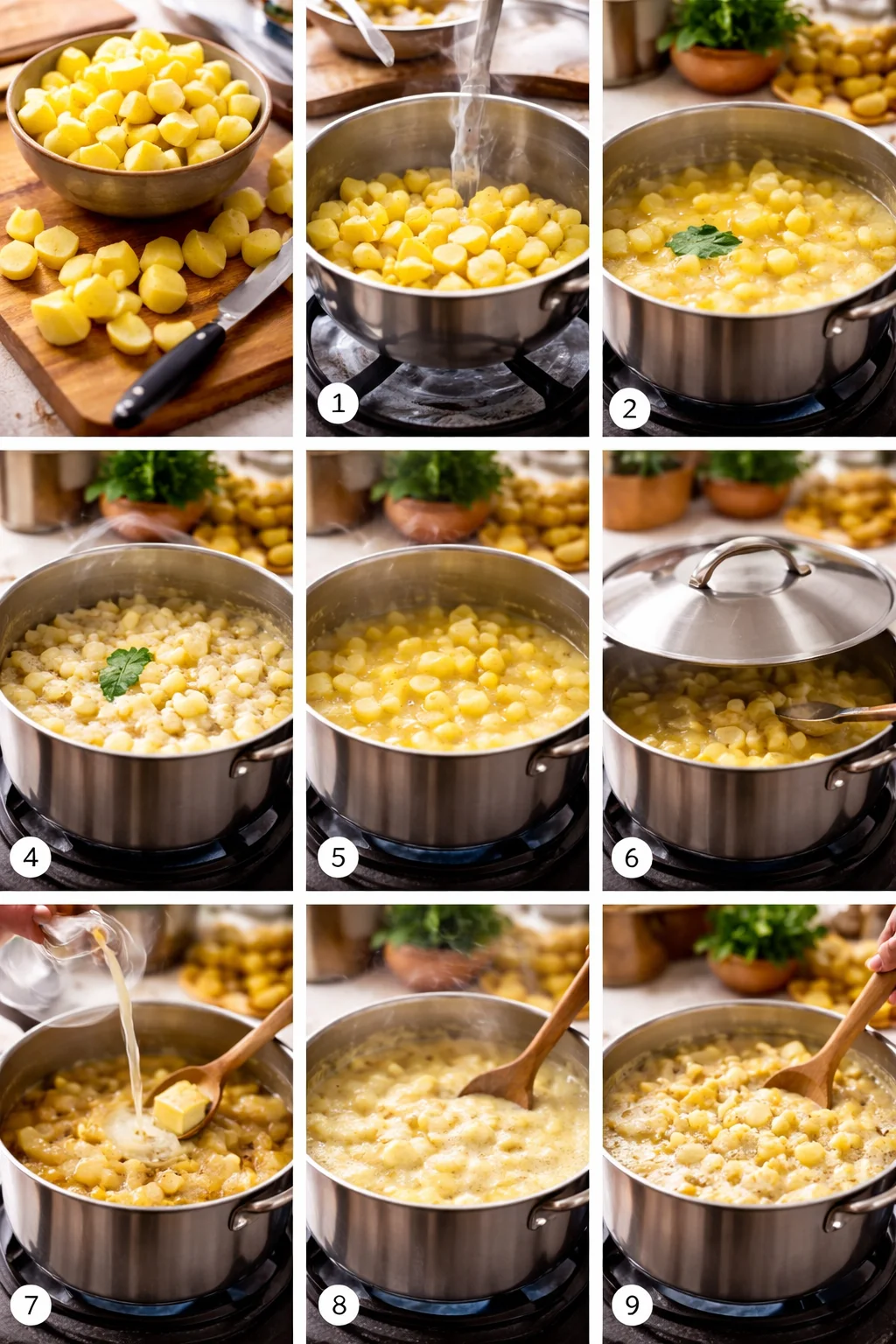
- Peel and cut potatoes into thick chunks, about the size of large dice. Rinse to remove extra starch.
- Add potatoes to a pot with onion, bay leaf, a pinch of salt, and enough water or stock to barely cover.
- Bring to a gentle simmer, then cover and cook on low until just tender. Avoid a hard boil to keep the potatoes intact.
- Stir in milk and butter. Simmer uncovered, low and slow, until the liquid reduces to a creamy stew and edges go soft.
- Fish out the bay leaf, taste, and season with more salt and pepper. Add a pinch of nutmeg or parsley if you like.
- Let the pot rest off heat for 5 minutes so the sauce thickens slightly. Serve warm.
I tried this on a rainy Sunday and it tasted exactly like something my grandmother would have made. Simple, filling, and so comforting. I added a sprinkle of parsley and it looked lovely at the table.
HISTORY OF THE DISH
Victorian kitchens leaned on affordable staples, and potatoes were the dependable friend that showed up for every meal. The goal back then was to keep food hearty without wasting anything, so techniques that used minimal ingredients were prized. Stewing potatoes in a small amount of liquid was practical and it kept them tender without the need for elaborate sauces. You get a dish that is gentle on the stomach and gentle on the budget, which is why it still feels timeless today.
Over the years, cooks added small tweaks based on what they had. A little milk when it was available, a knob of butter on good days, or an onion from the pantry to round things out. That is also why I love this recipe. It feels flexible and human. If you are curious about other simple potato comforts in the same spirit, here is a collection of deliciously simple stewed potato ideas that echo the same cozy vibe.

BENEFITS OF COOKING WITH POTATOES
Potatoes are a powerhouse when you want maximum comfort with minimal cost. They serve steady energy, they make big portions without blowing the budget, and they take on flavor like a champion. I like them for their potassium and vitamin C, but I love them because everyone in my house eats them without fuss. Add a little fat for satisfaction, and the result is a bowl that keeps you full and calm. That is half the battle on busy nights.
They also play nicely with vegetables and proteins, which makes building a full plate easy. If you want a simple side to pair with your stew, try something bright like garlic herb roasted potatoes, carrots, and green beans. The crunch and color balance the softness of the stew, and the herbs make the meal feel complete without much extra work.
COMMON VARIATIONS AND SUBSTITUTIONS
There are so many small ways to make this dish your own. If you avoid dairy, you can use olive oil and unsweetened oat milk or coconut milk instead of butter and dairy milk. The texture will still go creamy if you simmer gently and let some of the potatoes naturally thicken the sauce. You can skip onion if you want a cleaner potato flavor, or add a clove of garlic if you prefer a little more depth.
Herb-wise, thyme and parsley are safe bets. A tiny pinch of nutmeg gives a classic Victorian whisper of warmth. Craving something smoky or hearty? Fry a little diced bacon first, then stew the potatoes in that same pot. Or, for a rustic dinner that eats like a full plate, serve your potatoes next to something hearty and old-school, like this comforting pot roast over mashed potatoes. Another tasty route is to bring in savory sausage energy. While not traditional to the stew itself, a side of fried potatoes, onions, and smoked Polish sausage absolutely scratches the smoky-salty itch if your table wants variety.
If you only have waxy potatoes, cut them a touch smaller for a tender bite. If you only have russets, keep the simmer low and stir gently so they hold their shape while giving you a naturally creamy broth. Both work. The stew will forgive you.
TIPS FOR PERFECT STEWED POTATOES
Cut size matters. Make your chunks close to the same size so they cook evenly. I like pieces a little larger than bite-size, which keeps the centers tender while the edges relax into the sauce.
Use just enough liquid to barely cover the potatoes. Too much liquid means watery stew. If you do add too much by accident, just simmer a bit longer until it reduces. The starch in the potatoes will help it turn velvety. Stir gently so you do not mash the potatoes by mistake.
Keep the heat low. Gentle heat is the secret to soft, intact pieces with a creamy sauce. Hard boiling can break them apart and make things chalky. Think low and slow and you are set.
Salt with intention. Start light, then finish with salt and pepper once the liquid has reduced. The flavor concentrates as the stew thickens, so waiting to add the final seasoning prevents oversalting.
Butter and milk make the magic happen. I usually add butter first, let it melt and gloss the potatoes, then stir in warm milk. Warm milk blends better and helps keep the sauce smooth. Cold milk can cause a little separation.
Make-Ahead and Storage
Stewed potatoes are best fresh, but leftovers are still great. Store in a sealed container in the fridge for up to three days. Reheat gently with a splash of milk or water to loosen the sauce. If you plan to make them ahead, undercook the potatoes just a touch, then finish them when reheating so they do not go too soft.
Serving Ideas
I like a small green salad or steamed peas alongside the stew to brighten the plate. Buttered toast or a warm roll is perfect for swiping up the sauce. If you want protein, pan-seared chicken thighs or a simple fish fillet work well without overpowering the mellow flavor. This dish also shines as a side for roasted meats or grilled sausages when you are feeding a crowd.
Common Questions
What kind of potatoes work best?
Yukon Gold gives a silky sauce with tender pieces. Russets break down a bit more and make the stew extra creamy. Both are great, just adjust your stirring and heat so they do not fall apart.
My stew turned out watery. How do I fix it?
Simmer uncovered on low until the liquid reduces, then stir gently. You can add a spoonful more butter to help the sauce gloss over. A few extra minutes usually does the trick.
Can I make Victorian Stewed Potatoes without dairy?
Yes. Use olive oil or vegan butter and your favorite unsweetened non-dairy milk. Oat milk gives a neutral creaminess. Just keep the heat low and let the potatoes naturally thicken the sauce.
Can I add meat to the pot?
You can, but add it in small amounts so the potato flavor still shines. Brown bacon or diced ham first, then stew the potatoes in the drippings. Season carefully since cured meats are salty.
How long do leftovers last?
Up to three days in the fridge. Reheat slowly on the stove with a little extra milk or water to bring back that creamy texture.
Ready to Bring the Kettle to a Gentle Simmer?
If you want a meal that is soft-spoken and deeply cozy, Victorian Stewed Potatoes are your answer. Start with good potatoes, keep the heat calm, and let time do the rest. For more inspiration and historical vibes, I love how these recipes tell the story of the dish in approachable ways: check out Victorian Stewed Potatoes – Alison’s Wonderland Recipes and the friendly take from Victorian Stewed Potatoes | 12 Tomatoes. I hope you try it soon, tweak it to your taste, and find the same calm I do in a bowl of these potatoes.


Victorian Stewed Potatoes
Ingredients
Method
- Peel and cut potatoes into thick chunks, about the size of large dice. Rinse to remove extra starch.
- Add potatoes to a pot with onion, bay leaf, a pinch of salt, and enough water or stock to barely cover.
- Bring to a gentle simmer, then cover and cook on low until just tender. Avoid a hard boil to keep the potatoes intact.
- Stir in milk and butter. Simmer uncovered, low and slow, until the liquid reduces to a creamy stew and edges go soft.
- Fish out the bay leaf, taste, and season with more salt and pepper. Add a pinch of nutmeg or parsley if you like.
- Let the pot rest off heat for 5 minutes so the sauce thickens slightly. Serve warm.