
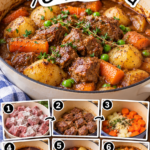
There’s something so comforting about a pot of tender lamb and vegetables, especially when the weather is still cool enough to make a hearty dinner appealing. Spring lamb stew casserole has the richness of a winter stew, slow-cooked, but with the right vegetables and seasoning it can feel lighter and fresher.
A good lamb casserole should have meat that is tender enough to eat without much effort, vegetables that still have some character and a sauce that brings it all together. The flavours should be full-bodied but not overbearing.
This is the sort of meal you could have for a leisurely family dinner or a special Sunday lunch. No fancy presentation necessary, just a big serving bowl and something nice to eat with the sauce.
What’s So Special About This Spring Lamb?
Usually spring lamb dishes rely on the natural taste of the meat, with vegetables and herbs that are in season. The result can be more alive than a well-spiced winter stew.
Lamb has a distinct savouriness that goes well with herbs, mild vegetables and a flavourful cooking liquid. The balance is important because an over-powerful sauce can mask the character of the meat.
A spring lamb stew does not have to be delicate and light in every way. But, it can still be filling and hearty while still allowing the vegetables and herbs to add freshness.
Lamb Casserole or Lamb Stew
Lamb Stew and Lamb Casserole are often used for very similar dishes. Both are usually made with lamb cooked in liquid along with other ingredients until the meat is tender.
It may be a matter of local language and the cooking vessel. In British cookery, casserole is often a slow-cooked savoury dish; in American cooking, a similar dish might more often be called a stew.
The important thing for this recipe is the finished texture. The lamb needs to be tender and the sauce thick enough to stick to the meat and vegetables.
Cuts of Lamb to Select
Lamb shoulder is a favourite for slow-cooked recipes because the connective tissue and fat contribute flavour and tenderness. It can be especially satisfying in a hearty stew.
Another choice is a lamb leg though different parts have different textures. Shoulders may not cook the same as the leaner pieces when cooked for a longer period.
Cuts that cook quickly don’t always make good stews. Tenderloin or delicate chops can lose their best qualities when they are used in a dish designed for long cooking.
The cut given on the recipe card is important, because that’s the basis for tenderness and cooking time.
Flavours & Pairings of Spring Vegetables
Spring vegetables add a splash of colour and a fresh note to a lamb casserole. The usual choices are peas, carrots and new potatoes, although the exact combination varies according to the recipe.
Rosemary, thyme, mint and parsley are among the herbs that can be paired with lamb in various ways. Rosemary and thyme have a more savoury, aromatic flavour, while mint and parsley can brighten the finished dish.
Vegetables should add their own flavour rather than disappear into the sauce. The texture of this dish is very important where the lamb can be very tender.
A good spring lamb stew is about balance – rich meat, savoury sauce and vegetables that still taste like themselves.
Tips on Tender Lamb
The hallmark of a satisfying stew casserole is tender lamb. The connective tissue in the right cut softens during cooking, resulting in a pleasant softness.
But not all cuts are created equal. Lean pieces can dry out, while tougher cuts can take longer to reach the tenderness expected from a stew.
The cooked meat should be easy to eat, not stringy or dry. A little bit of richness is ok but the lamb should not feel greasy.
How to Avoid Overcooking Vegetables
Vegetables don’t always need the same time in the cooking pot as lamb. Some get soft quickly, others, the harder root vegetables, take longer to soften.
If you overcook the fine vegetables you lose their colour and they turn to mush. That impacts the texture and appearance of the casserole.
The end result should be tender lamb and vegetables as intended by the recipe. A gentle, country-style stew is not the same as a showcase of individual spring vegetables.
To make a thick sauce
The sauce is a combination of lamb and vegetables. It should have the savoury flavour of the meat, but the herbs and vegetables should give their own character.
If the sauce is too thin, the dish may seem more like a soup, whereas if it is too thick, it may coat the meat heavily and disguise its texture.

The consistency can vary with how much natural juices the lamb and veggies put out. Different cuts of meat may also contribute different amounts of fat.
A good lamb casserole sauce should be good enough to eat with bread or potatoes without being salty or heavy.
Serving ideas
Lamb stew casserole is a natural companion for crusty bread. That is especially welcome when the dish has a generous amount of savoury sauce.
More comfort food can be added with mashed potatoes, though if the casserole has potatoes in it, they may be unnecessary. Contrast may be provided by a simple green vegetable or fresh salad.
For a spring get-together, serve the casserole on a big platter with a few simple sides. The lamb should still be the star of the meal.
Changes, substitutions, and additions
You can change the character of a lamb casserole a good deal by using different herbs. Rosemary adds a strong savoury flavour, while parsley and mint add a fresher finish.
You’ll want to swap vegetables for vegetables based on texture. Firm root vegetables are not like peas or tender greens; not every addition will respond well to the same cooking conditions.
Beef can be used in some stew recipes, but will not replicate the unique flavour of lamb. That substitution creates a noticeably different dish if the recipe is intended specifically for lamb.
Make Ahead and Storing:
Many lamb casseroles are good make-ahead meals, as the savoury flavours taste no less good after a spell in the fridge. The sauce may thicken upon cooling and the vegetables may soften upon storage.
Refrigerate leftovers at 40°F or below immediately and use within three to four days. Heat thoroughly to 165°F.
Most lamb stews freeze well, but potatoes and tender vegetables may alter in texture after thawing.
Lamb Casserole: Frequently Asked Questions
What Is The Best Cut Of Lamb?
Lamb shoulder is a flavourful ingredient and provides connective tissue to many slow-cooked stews. The best cut still depends on the recipe and the flavour and texture you’re looking for.
Is it freezeable?
Yes, a lot of lamb casseroles freeze well. The sauce may be a little different and some of the vegetables may be softer after thawing.
How Can I Thicken the Sauce?
It is contingent upon what ingredients you’re using and how thick or thin the original recipe is. Some sauces will thicken naturally as they cook or cool down, and others will need a particular thickening ingredient that’s included in the recipe card.
Conclusion
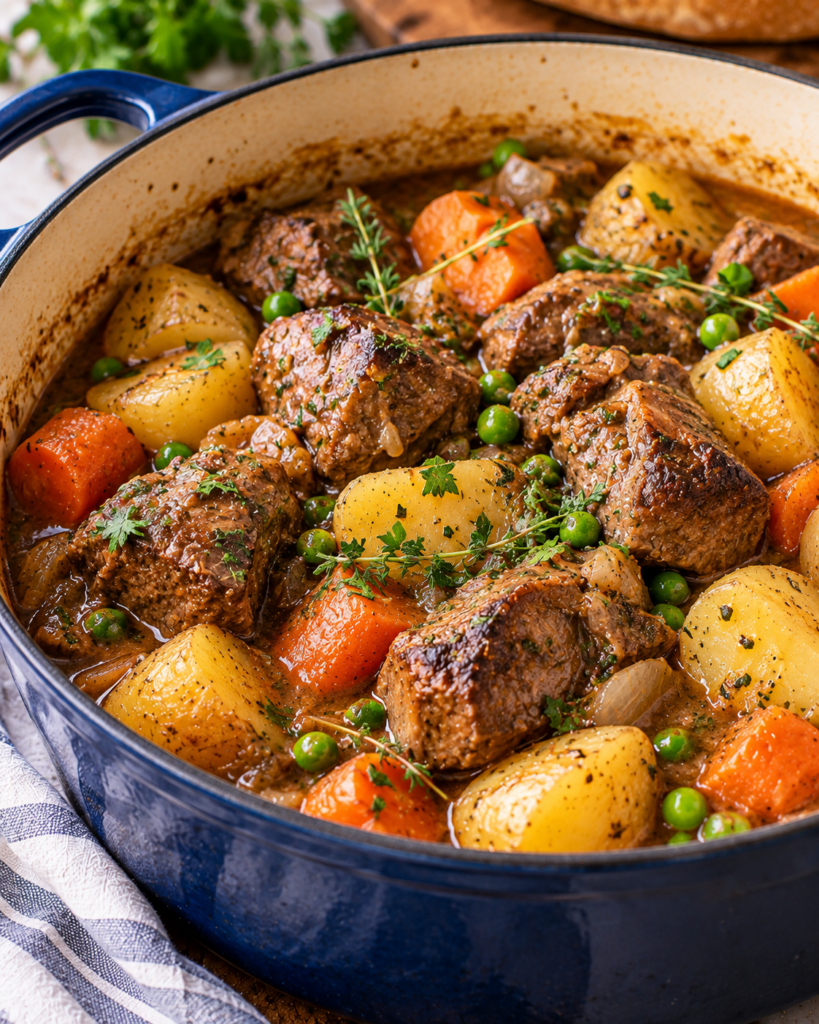
Spring Lamb Stew Casserole is a comforting meal that uses the best of tender lamb, vegetables and a delicious sauce. Hearty enough for a cool evening, yet can still taste fresh and seasonal.
The best recipe lets the lamb remain the star, with the vegetables and herbs providing balance. Serve it with a simple side and you have a satisfying meal to share.
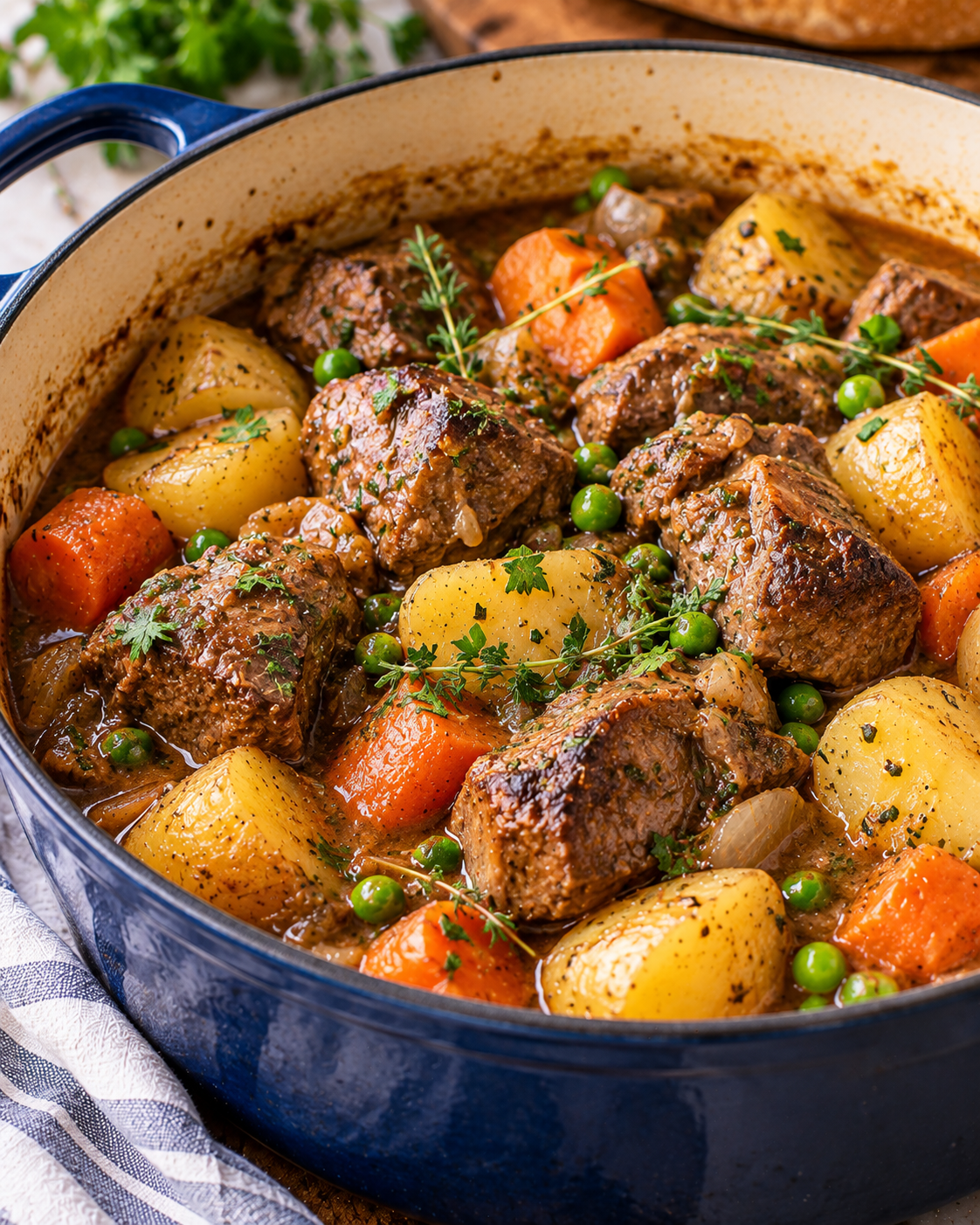
Spring Lamb Stew Casserole
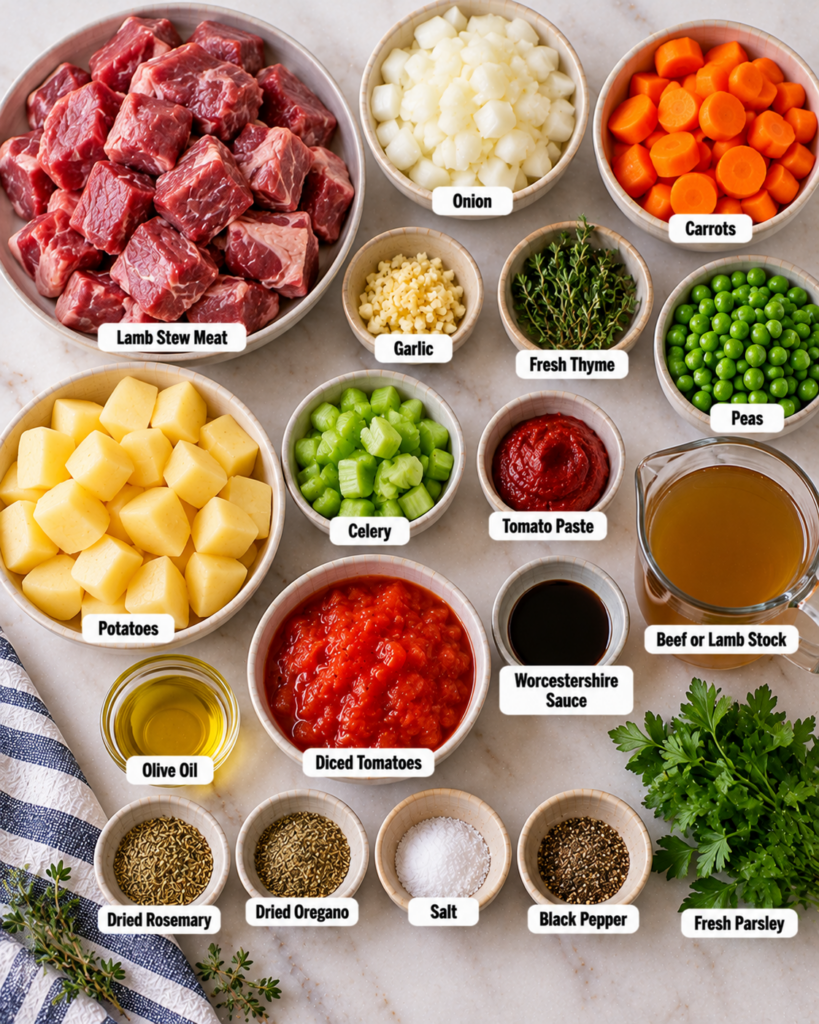
Ingredients
Method
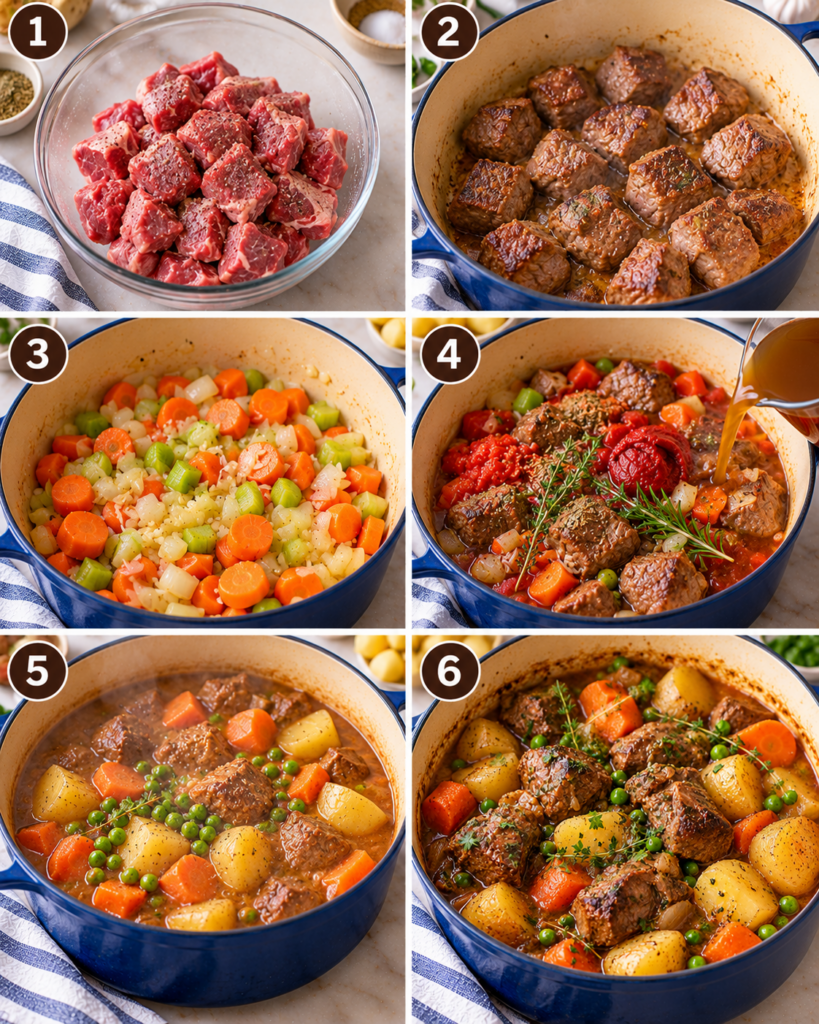
- Cut the lamb shoulder into bite-sized chunks and season with rosemary, thyme, mint, and parsley.
- Prepare the vegetables: wash, peel if necessary, and chop into even pieces.
- In a large pot, sear the lamb chunks over medium-high heat until browned on all sides.
- Add the chopped vegetables to the pot and stir to combine with the lamb.
- Pour in the broth and bring to a simmer.
- Cover and cook on low heat for 1.5 to 2 hours, until the lamb is tender.
- Serve the stew in a large bowl with crusty bread or mashed potatoes on the side.