
Sometimes there’s nothing like a slice of cheesecake, but something lighter and more refreshing is even better. Lemon Cheesecake Mousse is the classic tang of cream cheese in a softer, airier dessert with just the right amount of citrus to keep every bite bright.
It’s particularly good following a heavy dinner, as the lemon cuts through the sweetness without making the dessert feel heavy. The mousse is also elegant in little glasses or bowls without any complicated decoration.
A good lemon cheesecake mousse recipe hinges on two things, smooth cream cheese and a light and stable texture. If the filling is lumpy, or too loose, or too tart from the lemon, the dessert loses the balance that makes it so attractive.
Classic Cheesecake vs. Lemon Cheesecake Mousse
Classic lemon cheesecake is rich and dense in texture and retains its shape when cut. It may be baked or set in the refrigerator, often over a crumb crust, depending on the recipe.
Lemon cheesecake mousse is usually lighter. It does not set into a solid cake but is meant to be spooned out of a serving dish and has a light texture that melts in the mouth.
Both desserts contain cream cheese and lemon, but the balance can vary. In cheesecake, a lot of the richness comes from the dense filling, while mousse is about a smoother, more aerated texture.
It’s also an evolution in how it is served. A slice of cheesecake is filling, but a small glass of lemon mousse can feel like a light dessert.
Mousse is particularly convenient if you are making dessert for company, as you can make individual servings ahead of time, if the recipe allows.
This Mousse Is So Light and Fluffy Because:
The lightness of the texture is due to the inclusion of air in the filling and retention of that structure. A lot of cheesecake mousse recipes have whipped cream or some other airy element to lighten the cream cheese base.
Which makes the mixing technique important. The cream cheese must be smooth but delicate whipped ingredients should not be worked to the point where they lose their volume.
Temperature of ingredients also affects texture. The cream cheese should not be too cold or it will be lumpy, and if ingredients get too warm they may make a filling that will not hold its shape.
The balance of liquid is important as well. Lemon juice adds the necessary acidity and flavour, but too much liquid can thin out some mousse formulas.
A good mousse will be soft enough to spoon easily, but still have enough body to sit in a glass without immediately collapsing.
Is There a Difference Between Fresh Lemon Juice and Bottled Lemon Juice?
Fresh lemon juice is often used in desserts to add a bright citrus flavour. Fresh lemons also add zest, which has aromatic oils that add to the fragrance you can’t get from juice alone.
Bottled lemon juice is convenient, but it might not taste as bright, or have a slightly different taste. Products do differ so there is a difference based on the brand and how the juice has been processed.
Acidity is important in cheesecake mousse, because lemon does more than just add flavour. It might change how some dairy ingredients behave, depending on the recipe.
That doesn’t mean you should always substitute fresh and bottled juice for each other ounce for ounce. A recipe that depends on a certain level of acidity or a setting action can be sensitive to change.
The use of fresh zest makes a particularly big difference in a dessert where lemon is the dominant flavour. It adds scent but not as much liquid as juice.
How to Prepare the Best Cream Cheese Mousse
The first to watch is the cream cheese texture. Small lumps are visible in a fine mousse, particularly where the rest of the filling is smooth.
The way you combine the ingredients matters, because different ingredients need to be handled in different ways. Cream cheese may need to be smoothed out thoroughly, but whipped cream should be handled more gently so as not to lose the air beaten into it.
Overmixing can be a problem when the mousse is light. Too much handling can crush the airy texture rather than making it more voluminous.
Sweetness also needs to be balanced. Lemon sharpens the flavour of a dessert but too much sugar can hide the fresh citrus flavour and make the mousse heavy.
You want the final mousse to be tangy and creamy, not too sweet, not too sour. You should still get a hint of lemon brightness on the back of each spoonful.
Tasty Serving and Layering Ideas for Lemon Cheesecake Mousse
Individual dessert glasses are a natural choice, letting the pale colour and soft texture of the mousse show. They also make it easier to portion if you are serving a crowd.
A layer of crumbs gives contrast, especially if the mousse is very smooth. Graham cracker crumbs give you the classic cheesecake flavour, while buttery shortbread crumbs give you a slightly different texture.

Another lovely pairing is fresh berries. Blueberries, raspberries and strawberries add colour and natural sweetness to balance the lemon.
For a more elaborate dessert, lemon mousse can be layered with a suitable fruit compote or other compatible filling. Note that wet layers can interfere with the structure of the mousse if not meant to be in the recipe.
A little bit of lemon zest on top gives the dessert a fresh look without making it unnecessarily complicated.
How Long Does Lemon Cheese Cake Mousse Last?
Lemon cheesecake mousse is usually a good make ahead dessert as many recipes are better served cold after chilling. Chilling firms up the filling and melds the flavours together.
The exact time will depend on the mousse formula. Some fillings are stabilised and hold their shape well, while others are primarily whipped cream and may lose volume over long storage.
Toppings also play a role in presentation. Fresh berries will ooze juice, and crumb layers can soften when they touch a wet filling.
If you’re preparing the mousse for a party, keeping delicate toppings separate until closer to serving can help maintain their texture.
Keep refrigerated at 40°F (4°C) or below since it contains cream cheese and generally whipped cream. Not for long-term display at room temperature.

Frequently Asked Questions: Lemon Cheesecake Mousse
Can I make lemon cheesecake mousse for a no-bake dessert?
There are lots of lemon cheesecake mousse recipes and many of them are no-bake. It really depends on the ingredients you have and how you want to set the mousse. The mousse is usually refrigerated instead of baked like a traditional cheesecake. Follow the method given on your recipe card.
Why is my lemon mousse runny?
If it is not chilled enough, if there is too much liquid or if air is lost in mixing, the mousse will be loose. The balance of cream cheese and whipped ingredients will help them hold their shape. If the recipe contains a stabiliser, wrong proportions can also affect the result.
Can I use light cream cheese?
The lower fat content and moisture content of the low-fat cream cheese may give it a different texture than the full-fat cream cheese. Some mousse recipes are made for it, but a direct substitution can result in a softer or less rich filling.
Can you freeze lemon cheesecake mousse?
Freezing can alter the texture of cream cheese and whipped dairy mixtures. Some stabilised mousses are more tolerant than others, but separation or graininess may occur on thawing. In general, refrigerated storage is the best way to preserve the freshly whipped texture.
What To Serve With Lemon Cheesecake Mousse?
Fresh berries, shortbread crumbs and a dollop of whipped cream complement the citrus flavour. It’s a nice finish to a dinner party, served in small glasses with a simple fruit garnish so it’s not too heavy.
Final thoughts
Lemon Cheesecake Mousse is a nice dessert for when you want the flavour of cheesecake but a lighter and softer texture. The fresh citrus keeps it light, and the cream cheese makes it rich enough to be satisfying.
Mind the smoothness of the filling, protect the airy texture and keep the toppings simple. A good lemon mousse really doesn’t need much.

Lemon Cheesecake Mousse
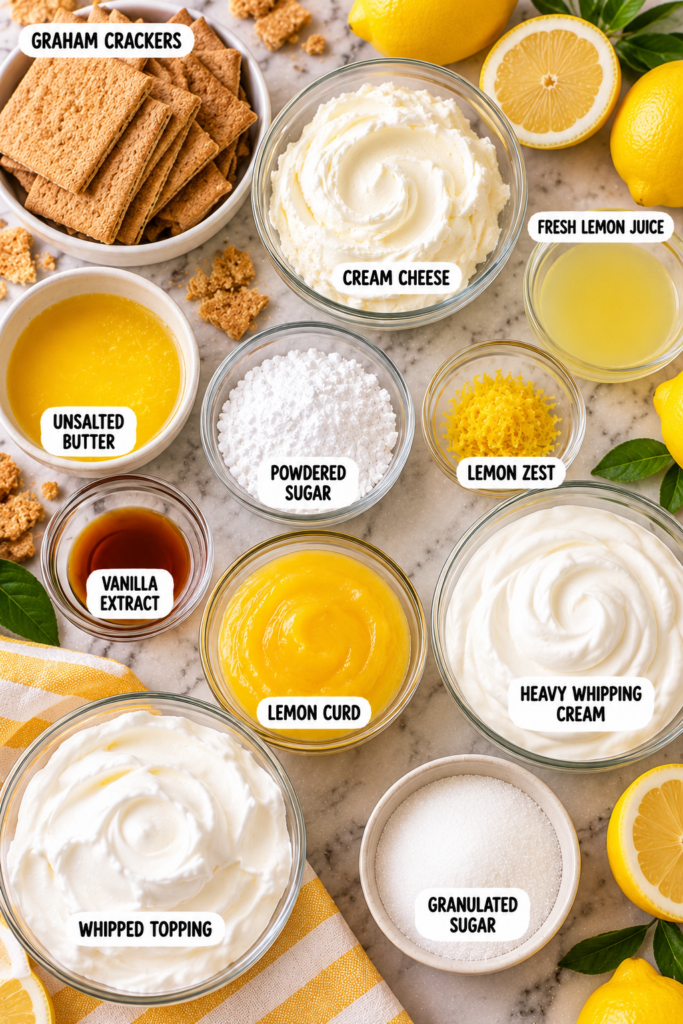
Ingredients
Method
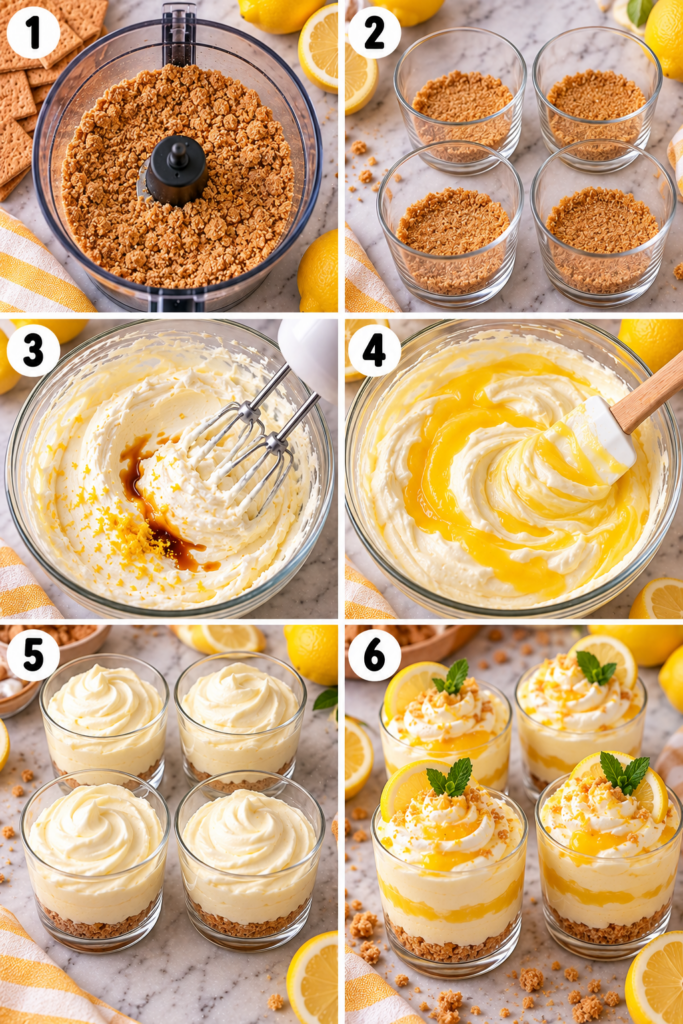
- In a mixing bowl, beat the softened cream cheese until smooth.
- Gradually add the sugar, lemon juice, and lemon zest, mixing until well combined.
- In a separate bowl, whip the heavy cream until soft peaks form.
- Gently fold the whipped cream into the cream cheese mixture, being careful not to deflate the mixture.
- Spoon the mousse into individual serving glasses or bowls and refrigerate for at least 2 hours to set.
- Before serving, garnish with fresh berries and a sprinkle of graham cracker crumbs, if desired.