

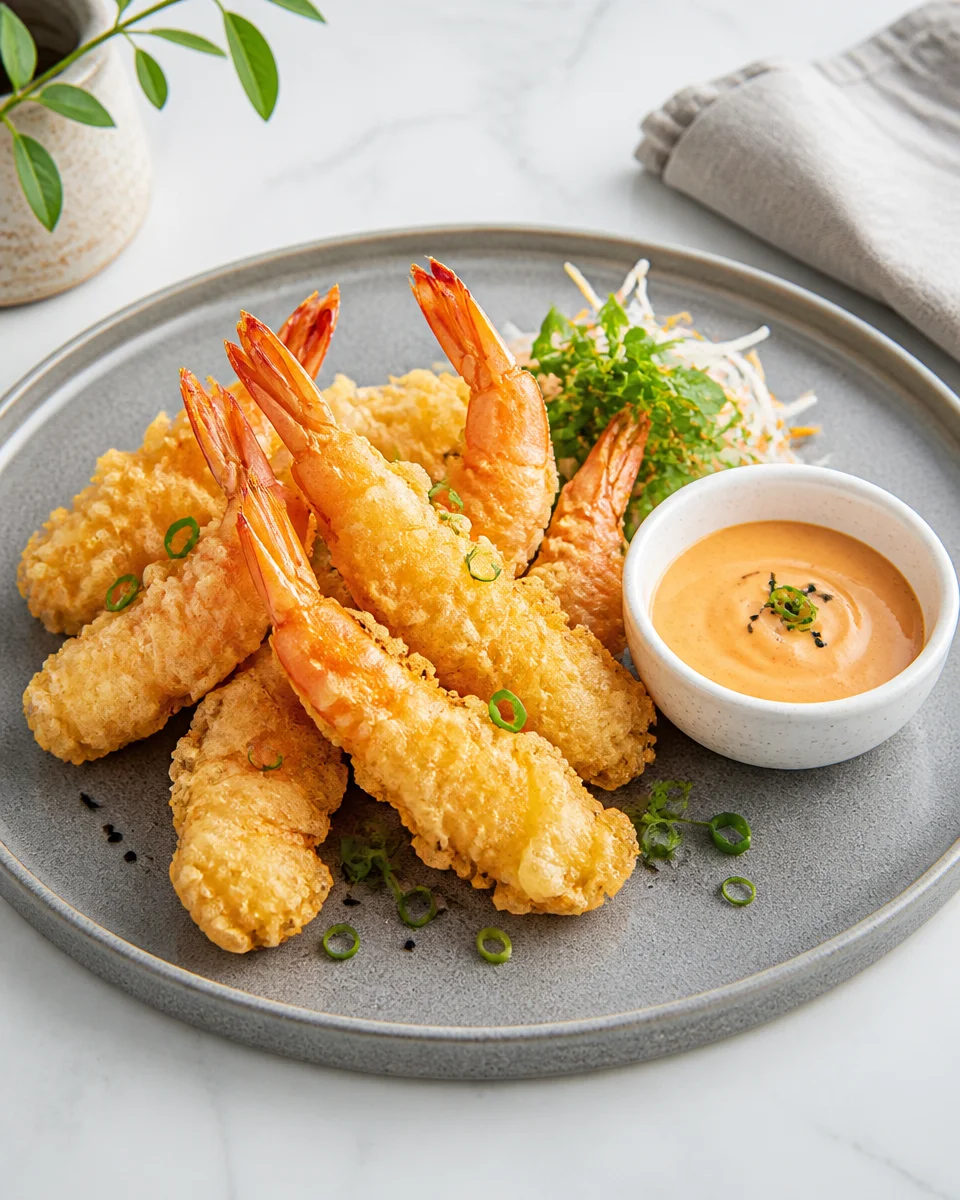
Crispy Tempura Shrimp is my go to move when I want something that feels like a little treat, but I still want to make it at home in comfy clothes. You know that moment when you are craving crunchy shrimp like your favorite Japanese spot, but delivery will take forever and the fries in your freezer feel kind of sad? Yep, this is for that moment. The good news is you do not need fancy tools, and you definitely do not need to be a chef. You just need a few basics, cold batter, and a little confidence with hot oil. Let me walk you through exactly how I make it without stress.
How to Prepare the Shrimp for Ebi Tempura
The prep is where most people accidentally set themselves up for disappointment. If the shrimp is wet, curly, or still has that thin vein line, the coating will not stick nicely and it will not fry up as clean. So I take five extra minutes here and it pays off every single time.
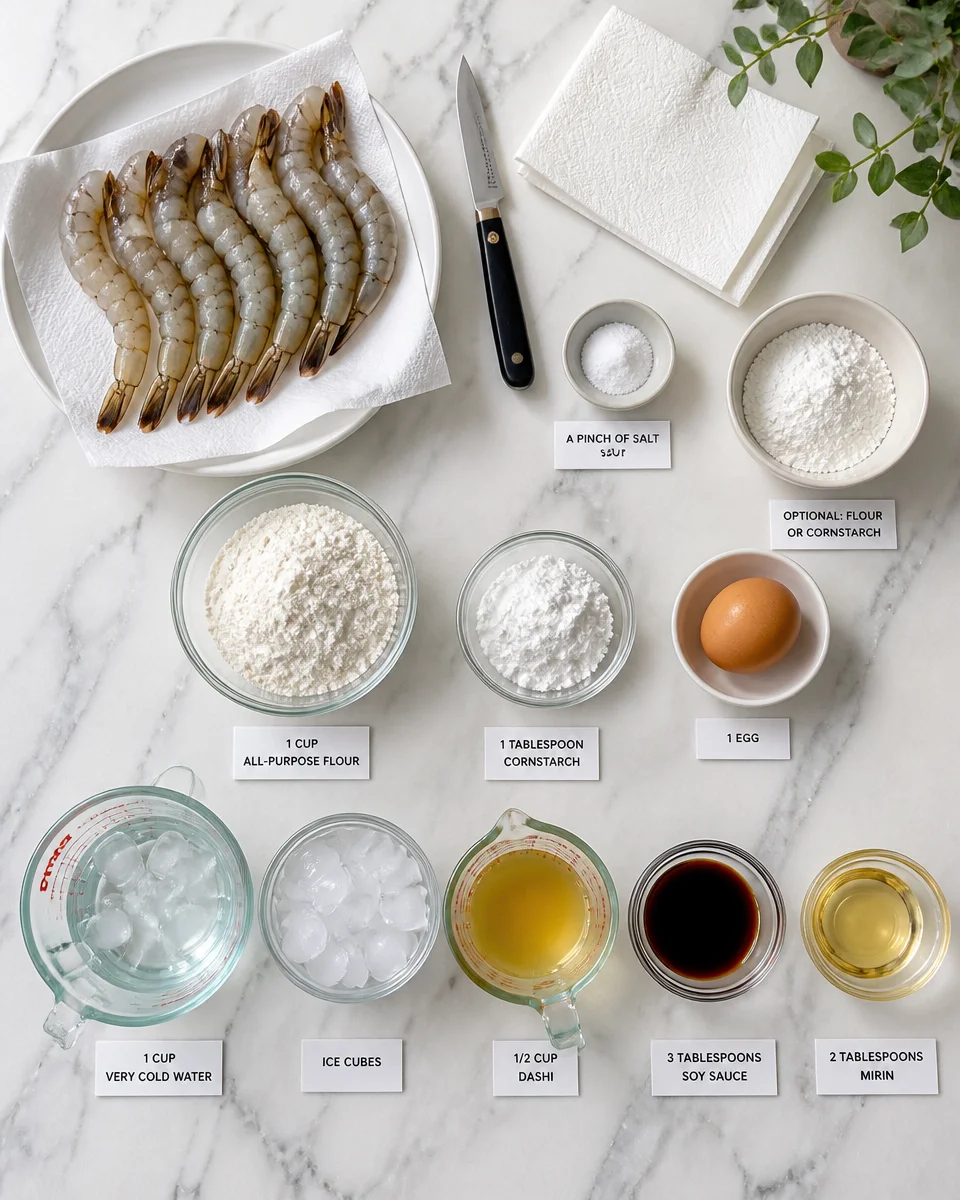
What you will need
- Raw shrimp (medium to large, peeled and deveined)
- Paper towels
- A small knife (for a few tiny cuts)
- Salt (just a pinch)
- Optional: a little flour or cornstarch for a quick dusting
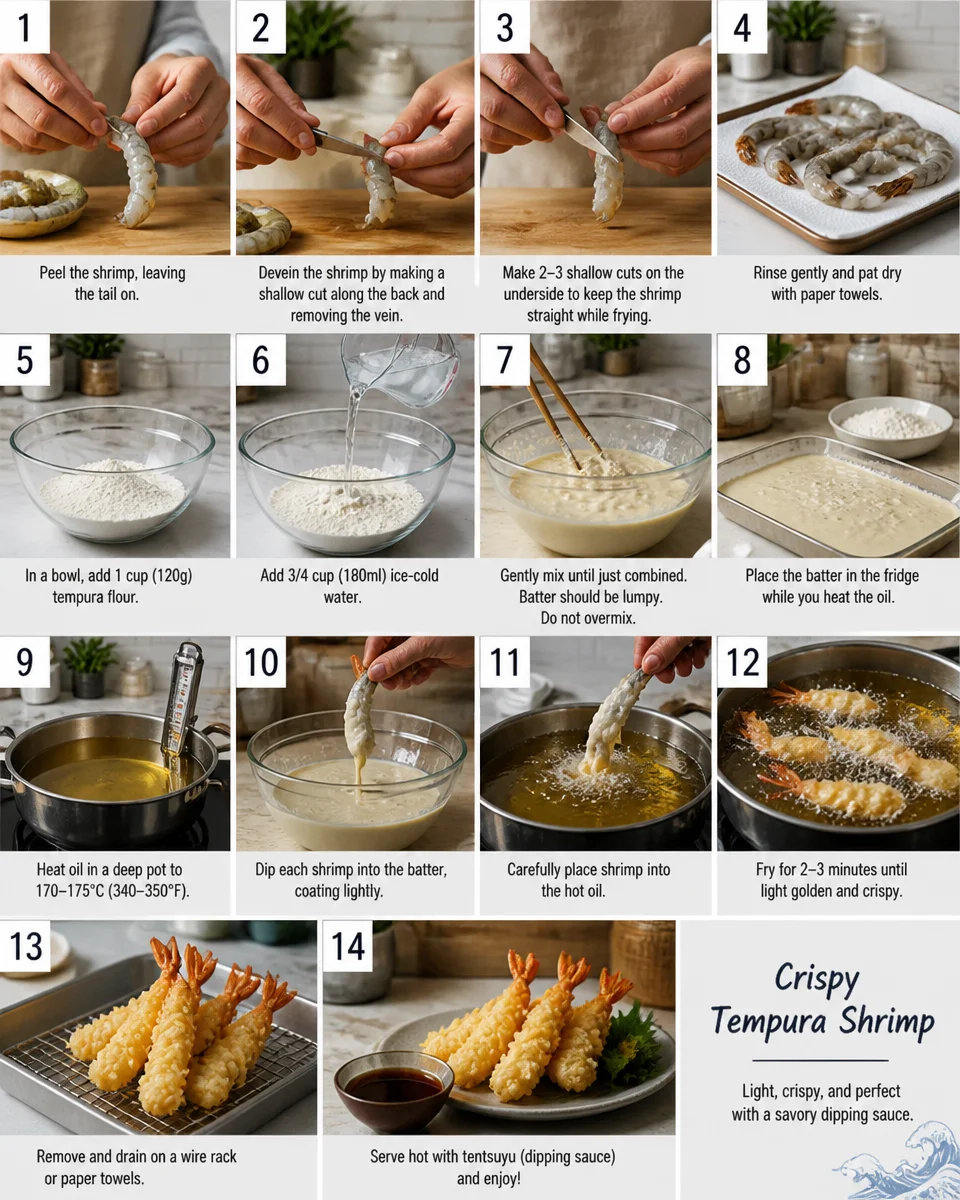
Here is my simple routine. First, peel and devein the shrimp if it is not already done. I like to leave the tails on because it looks classic and it gives you a little handle for dipping and eating. Then I rinse quickly and dry like I mean it. Dry shrimp is happy shrimp.
Now for the trick that makes the shrimp look like the restaurant version: I stop the curling. On the inside curve of each shrimp, I make 3 to 4 small shallow cuts. Nothing deep, just little nicks. Then I gently press the shrimp flatter with my fingers. It straightens out and fries more evenly, plus it looks so good on the plate.
Right before batter time, I sprinkle a tiny pinch of salt and do a light dusting of flour or cornstarch. This is not to make it bready. It is just a thin layer that helps the batter grab on instead of sliding off.
Also, if you are in a shrimp mood lately, you might like my other shrimp recipes for different vibes. I make a spicy crunchy version sometimes that is super snacky, like this Bang Bang Shrimp.
How to Make Tempura Batter
Tempura batter sounds fancy, but it is basically a light, cold batter that fries up crisp. The number one thing I have learned is that you do not want to over mix it. A lumpy batter is not a failure. It is the goal.
Here is the basic batter I use at home:
- 1 cup all purpose flour
- 1 tablespoon cornstarch (optional but I love it for extra crisp)
- 1 egg
- 1 cup very cold water (or sparkling water)
- Ice cubes (for keeping it cold)
In a bowl, I whisk the egg with the cold water just until combined. Then I add the flour and cornstarch and stir with chopsticks or a fork about 8 to 10 times. I stop when I still see dry flour pockets and lumps. This is the hardest part for control freaks, but it matters. Over mixing makes the coating heavier.
I set that bowl inside a bigger bowl with ice, or I toss in a couple ice cubes. Cold batter hits hot oil and that is where the magic happens.
Quick side note: if you love that crispy coating feeling, you might also enjoy a crunchy snack situation like air fryer crispy tortellini. Totally different food, but same satisfying crunch factor.
Now for frying. I heat neutral oil in a pot to about 350 to 365 F. If you do not have a thermometer, dip the end of a wooden spoon in the oil. If bubbles form around it right away, you are close. Dip a shrimp in batter, let the excess drip for a second, then carefully lower it into the oil.
I fry in small batches so the oil stays hot. Usually 2 to 3 minutes is enough, flipping once, until pale golden and crisp. Tempura is not supposed to be deep brown. Pull them out onto a rack or paper towels and do not cover them. Covering traps steam and makes them soft.
Tips and Tricks
This is the part I wish someone had told me the first time I tried making Crispy Tempura Shrimp at home. These little details save you from soggy coating and oil splatters, and they keep the whole process feeling doable.
My best real life tips:
- Keep everything cold: cold water, cold bowl, even cold shrimp. Warm batter gets heavy fast.
- Do not overcrowd the pot: too many shrimp drops the oil temp and makes it greasy.
- Use a rack if you have one: it helps the coating stay crisp while you fry the rest.
- Skim stray batter bits: those little floaty crumbs burn and make your oil taste bitter.
- Season right after frying: a tiny pinch of salt while they are hot is perfect.
If you ever want to switch up the flavor without changing the technique, coconut shrimp is a fun detour. It is sweeter and more tropical, and it hits the same crunchy craving. I make it when I want something playful like this coconut shrimp recipe.
“I tried your batter tip about keeping it cold and not over mixing, and my shrimp came out actually crispy for once. My family ate them faster than I could fry the next batch.”
One more thing: oil temperature really is the boss here. If you notice the coating getting dark too quickly, your oil is too hot. If it is pale and oily, too cool. After a batch or two, you will get a feel for it, and it becomes weirdly relaxing.
How to Serve Shrimp Tempura
Once you have a plate of Crispy Tempura Shrimp sitting there, the only real problem is how fast it disappears. I love serving it right away while it is still crackly and light. Tempura is not a “wait an hour and it is still perfect” kind of food, so I treat it like a hot and fresh moment.
Here are a few easy ways I serve it at home:
Simple and classic: pile the shrimp on a platter with lemon wedges and dipping sauce. Add a little shredded cabbage or cucumber on the side for something fresh.
Rice bowl night: serve over warm rice with sliced cucumber, a drizzle of sauce, and a sprinkle of sesame seeds. If you have leftover shrimp, this is also a great next day lunch idea.

Party style: put the shrimp on a big board with a couple sauces and let people grab and dip. This is when it feels like a restaurant appetizer at home.
When I want a cool side dish that is still shrimp friendly but totally different texture, I make something creamy and refreshing like creamy cucumber shrimp salad. It is especially good when it is hot outside.
And yes, you can absolutely add veggies to the same batter. Onion slices, sweet potato thin rounds, zucchini sticks. Just fry them in batches like the shrimp.
The Dipping Sauce
The dipping sauce is half the reason people fall in love with this dish. Crispy Tempura Shrimp is delicious on its own, but the sauce makes it feel complete. The traditional vibe is a light savory dip, not a thick heavy sauce.
My quick homemade version is simple:
Tempura style dipping sauce:
- 1/2 cup dashi (or chicken broth if you do not have dashi)
- 3 tablespoons soy sauce
- 2 tablespoons mirin (or a small pinch of sugar if needed)
Warm it in a small pan just until the sugar dissolves and it smells cozy, then let it cool a bit. I like it served slightly warm or room temp. If you want to make it extra nice, add grated daikon or a little grated ginger. It cuts through the fried coating in the best way.
If you are more of a creamy, spicy dip person, you can also do a quick mix of mayo, sweet chili sauce, and a little sriracha. Not traditional, but very snackable.
And if you are on a soup kick and want shrimp in a totally different format for another day, I have made this creamy spicy jalapeno shrimp soup when I want something cozy instead of crunchy.
Common Questions
1) Can I use frozen shrimp?
Yes. Thaw it fully and dry it really well. Water is the enemy of crisp tempura.
2) Why is my tempura batter not sticking?
Usually the shrimp is too wet or you skipped the light flour dusting. Dry the shrimp more and do that quick dust right before batter.
3) How do I keep it crispy after frying?
Drain on a rack if possible, and do not cover with foil or a lid. Trapped steam makes it soft.
4) Can I make the batter ahead of time?
I do not recommend it. Tempura batter is best mixed right before frying so it stays cold and light.
5) What oil is best for frying?
A neutral oil like canola, vegetable, or peanut oil works well. Save olive oil for salads.
A crunchy little dinner you will want again
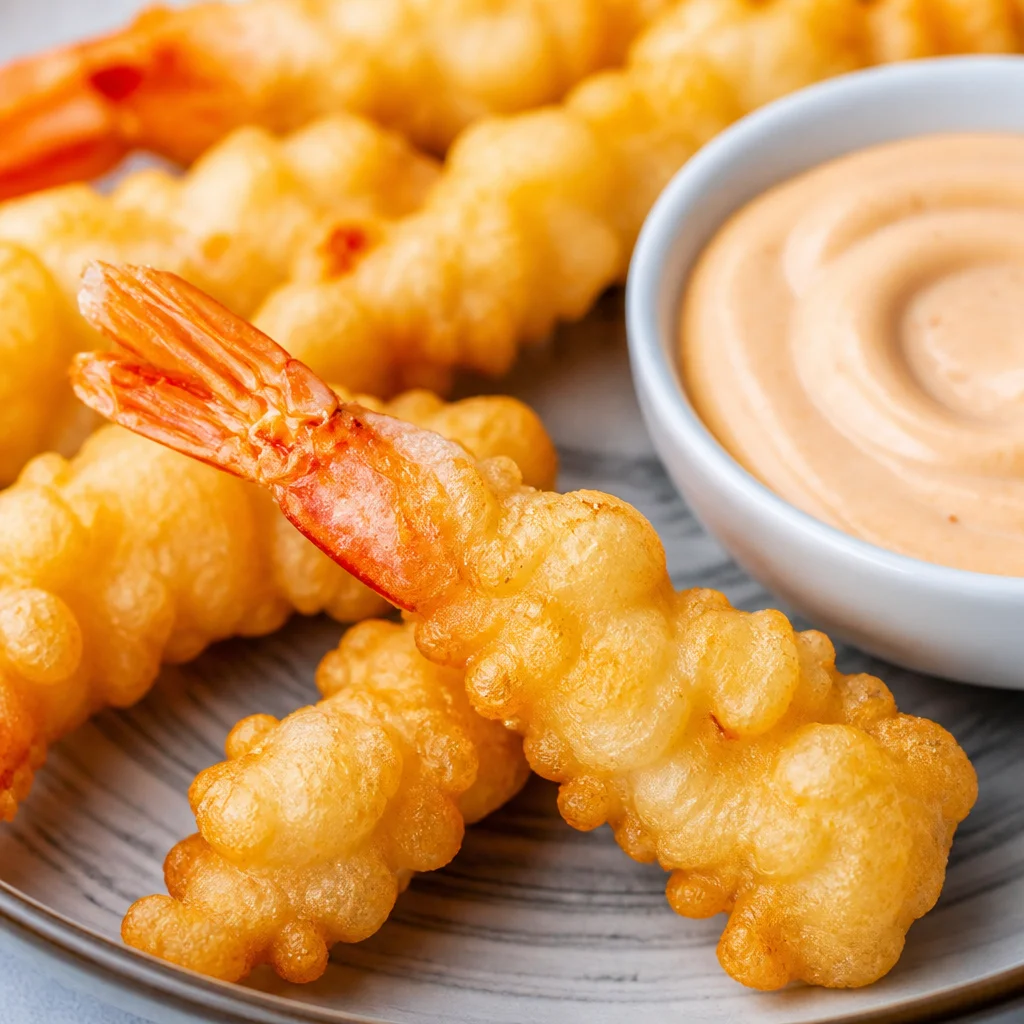
If you keep the batter cold, fry in small batches, and serve right away, Crispy Tempura Shrimp is honestly one of those recipes that makes you feel like you nailed dinner. The steps are simple once you do it once, and the payoff is that light crunch you usually only get when you eat out. If you want more guidance and extra photos for comparison, I have also learned a lot from Ebi Tempura – Light & Crispy Japanese Shrimp Tempura Recipe and Shrimp Tempura (Light and Crisp with Easy Steps). Try it this week, keep it casual, and do not stress the lumps in the batter. Once you hear that first crunch, you will be very glad you made it at home.
Crispy Tempura Shrimp
Ingredients
Method
- Peel and devein the shrimp, leaving the tails on.
- Rinse the shrimp quickly and dry thoroughly with paper towels.
- Make 3 to 4 shallow cuts on the inside curve of each shrimp to prevent curling.
- Sprinkle a pinch of salt and a dusting of flour or cornstarch on the shrimp.
- Whisk the egg with cold water in a bowl just until combined.
- Add flour and cornstarch, stirring gently with chopsticks or a fork without overmixing.
- Set the bowl with batter inside a larger bowl filled with ice to keep it cold.
- Heat neutral oil in a pot to 350-365°F.
- Dip the shrimp in the batter, letting excess drip off, and carefully lower into the oil.
- Fry in small batches for 2 to 3 minutes until pale golden and crisp.
- Transfer the cooked shrimp to a wire rack or paper towels to drain.
- Serve hot with lemon wedges and dipping sauce.