
There’s something so wonderfully familiar about meatloaf coming out of the oven on a weeknight. It’s not a fancy dinner and that’s what makes it appealing. Sometimes a thick slice of meatloaf, a spoonful of mashed potatoes and some green beans can be just as satisfying as a meal that took much more planning.
A classic meatloaf recipe is so moist that you can eat it without it falling apart. The slices should hold their shape, the seasoning should be savoury and balanced, and the outside should have enough colour to make the loaf look inviting.
Meatloaf is an American home-cooking classic. It is hearty and practical, and works well with the classic side dishes. But simple doesn’t mean infallible. Dry texture, crumbling slices, and a glaze that’s too sweet can all conspire to make a classic meatloaf less enjoyable than it should be.
What is Old Fashioned About Meat Loaf?
Old-fashioned meatloaf generally refers to a traditional American home-style recipe prepared with ground meat, seasonings, and ingredients that help the loaf hold together. The finished dish is cut into slices and is usually served with a tomato-based topping or glaze.
There’s no one version to rule them all. Some families use bread crumbs, some like oats, some recipes have a ketchup glaze and some have gravy.
Its defining feature is its comforting, simple taste. A classic meatloaf doesn’t need strange ingredients to taste good, it needs a tender texture and enough seasoning to make every slice satisfying.
Choosing Ground Meats and Binders
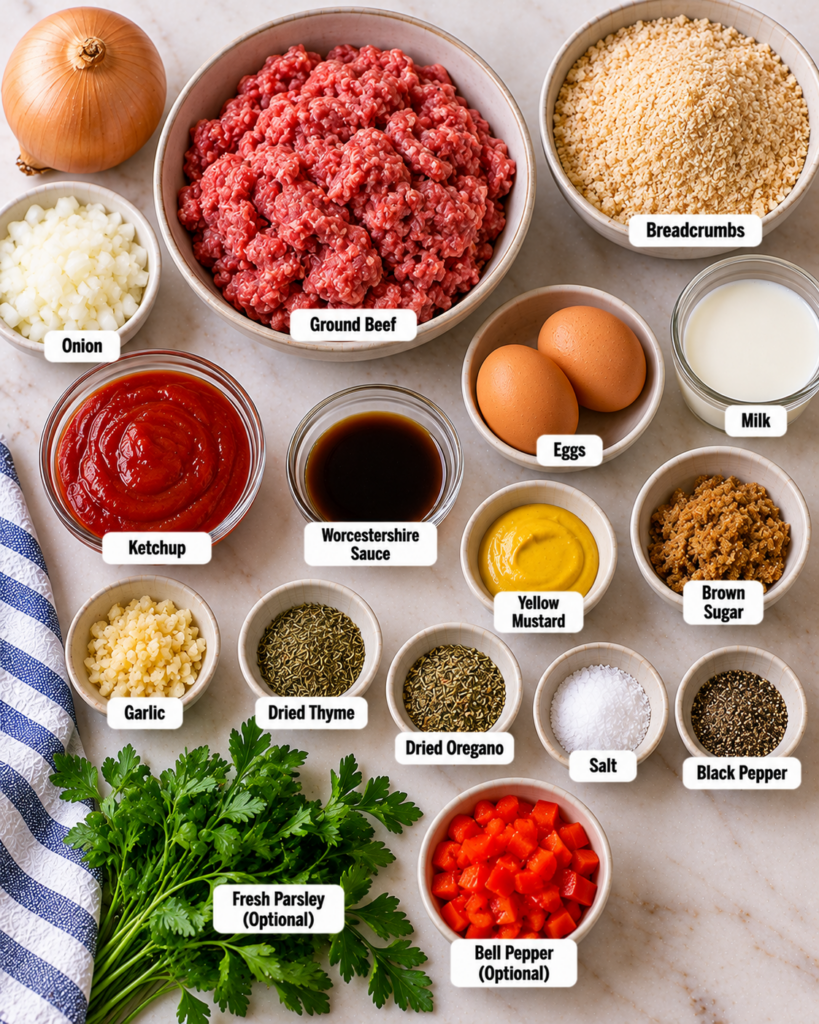
Ground beef is an easy choice for a traditional meatloaf because of its deep, savoury flavour. Fat content is important, since leaner beef can be drier and fattier beef may produce more grease.
Some recipes call for a combination of different ground meats for a certain texture or flavour. Those combos can work well, but they’re not automatically required for an old-fashioned loaf.
Binders hold the mixture together and can influence moisture. Breadcrumbs and oats are both common to meatloaf recipes, but they do create slightly different textures.
The key is to keep things in balance. A meatloaf should be firm enough to slice, but not dense or rubbery.
How to Make Meat Loaf Moist and Tender
Moist meatloaf is about more than just adding liquid to the mix. The tenderness of the finished loaf is affected by the fat content of the meat, the binder and the proportions.
Even a perfectly cooked meatloaf can have a dry mouthfeel if the texture is too dense. But if there’s too much moisture in a mixture, it might not hold together very well.
The perfect slice is soft and whole. It should be easy to cut with a fork without coming apart in loose bits.
The Dangers of Over Mixing
Overworking ground meat will give you a denser texture. The mixture can be made denser than desired when the proteins are manipulated and mixed together.
That can leave the finished meatloaf feeling firm or rubbery instead of tender. The recipe should give you the texture you want.
A good meatloaf should have enough structure to hold together, but shouldn’t resemble a sausage, tightly packed.
When to Know It’s Ready
Appearance isn’t a reliable way to tell if meatloaf is safely cooked. Just because the outside is browned doesn’t mean the inside is at the proper temperature.
Ground beef, pork, veal and lamb should reach 160°F (71°C). Ground poultry should be 165°F (74°C).
A food thermometer is a more reliable answer than judging the colour of the juices or the center of the loaf.
Classic Meatloaf Glazes
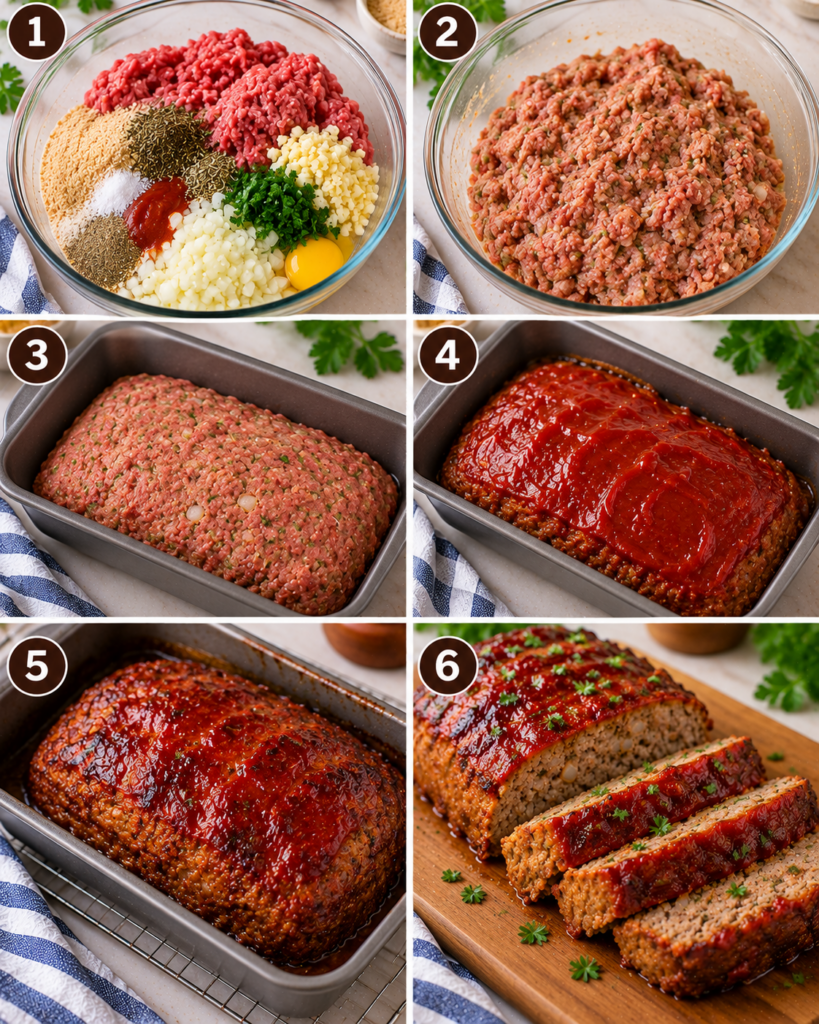
A lot of traditional meatloaf recipes top it off with a glaze made from ketchup. It adds a sweet and sourness that stands up to the savoury meat.
Some versions have a tangier topping, others sweeter or more tomato-forward. The glaze should complement the meat, not be the dominant flavour on the plate.
Not every old-fashioned meatloaf calls for glaze. Some are served with gravy instead, which makes a different but equally comforting result.
Whether or not this one has a ketchup glaze should be dictated by the actual recipe card.
Frequent Mistakes
The most frequent complaint is dry meatloaf. It can be the result of very lean meat, an imbalance of ingredients, or it can be caused by overcooking.
A disintegrating loaf is another story. Binder and moisture balance may not provide enough structure for clean slices.

Too much fat in the meat mixture can also make the finished dish less appealing, especially if the fat content is high.
A good meatloaf should be juicy but not greasy and firm but not dense. More important than having the loaf be perfectly uniform are those qualities.
What to serve with meatloaf
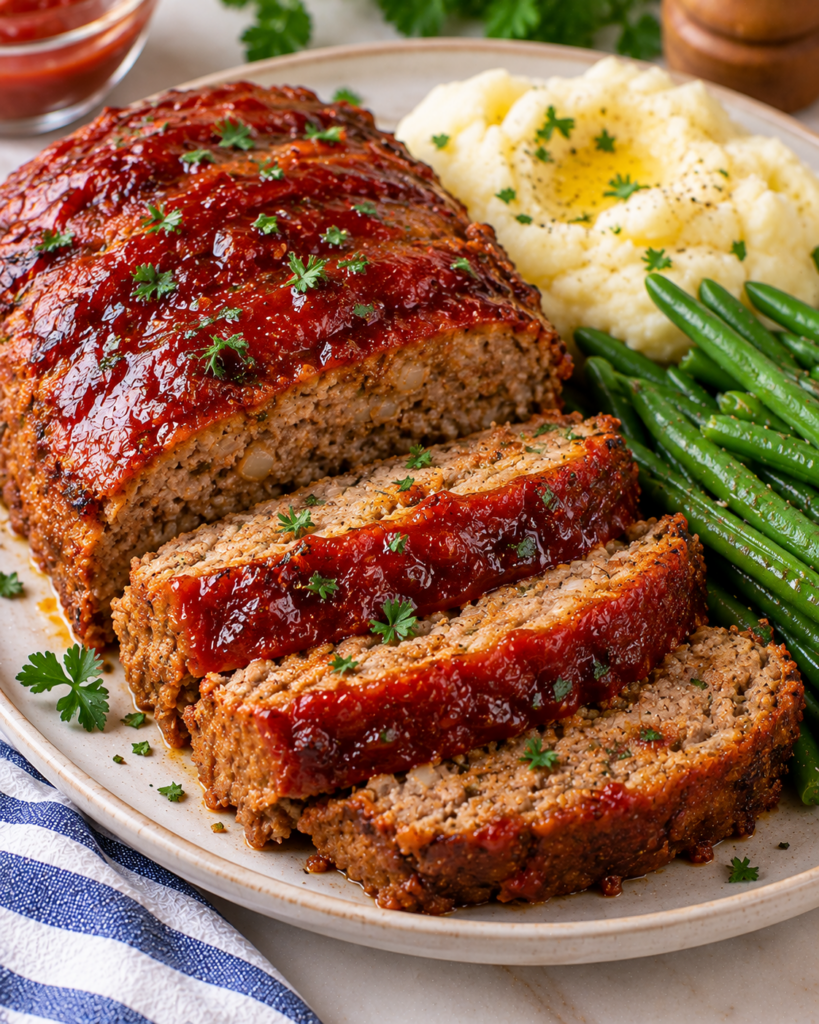
There’s a reason mashed potatoes are the classic. Their creamy texture pairs naturally with savoury meatloaf, especially if the recipe includes gravy or a tomato-based glaze.
Other well known accompanists are green beans, roasted carrots and buttered peas. They add colour and make the meal feel finished without too much fuss.
If you want something a little different for dinner, try meatloaf with roasted potatoes and a crisp salad. Fresh vegetables help balance the richness of the meat.
leftover meatloaf makes a great sandwich and it is especially good if the slices hold together well.
Variations and Replacements
Old fashioned meatloaf recipes vary widely from family to family. Some people use oats, some breadcrumbs or another binder.
Ground turkey can be used for a lighter tasting version, but it behaves differently than ground beef and needs to reach 165°F internal temperature safely.
Changing the glaze can also give the meatloaf a different personality. A tangy tomato topping is a different balance than a rich gravy.
Substitutions should be made with an awareness of how they interact with the existing recipe for optimal texture, not made without thought to the ingredients’ interactions.
Make-Ahead & Freeze
Cooked slices are easy to portion, making meatloaf a convenient choice for meal planning. It can be prepared in advance, but raw ground meat must be refrigerated and handled carefully.
Refrigerate cooked meatloaf at 40 °F or below and use within three to four days. Reheat leftovers until they reach 165°F.
Many recipes for meatloaf are good candidates for freezing cooked portions. Wrap them well to keep texture and flavour during storage.
Frequently Asked Questions About Old-Fashioned Meatloaf
Why Meatloaf Crumbles
Meatloaf can crumble when the mixture has too much moisture or not enough binding structure. The type of ground meat and handling of the loaf will also affect the texture.
Is it ok to use oats?
Yes, oats are a traditional binder in some old fashioned meat loaf recipes. But they aren’t always a 1:1 swap for breadcrumbs, so use a recipe that uses the substitution.
Resting Time for Meatloaf Before Slicing
Let the loaf rest for a moment so the juices can settle and it will be easier to slice. The cooked meatloaf should still be edible before serving.
Summary
This Old-Fashioned Meatloaf Recipe is a reminder that sometimes simple is the best for family dinners. A slice of tender seasoned meatloaf and a few familiar sides can add a special touch of comfort to an ordinary evening.
The best meatloaf is moist but not falling apart, and flavourful but not from a long list of ingredients. This is the kind of classic dinner you want to keep in regular rotation.
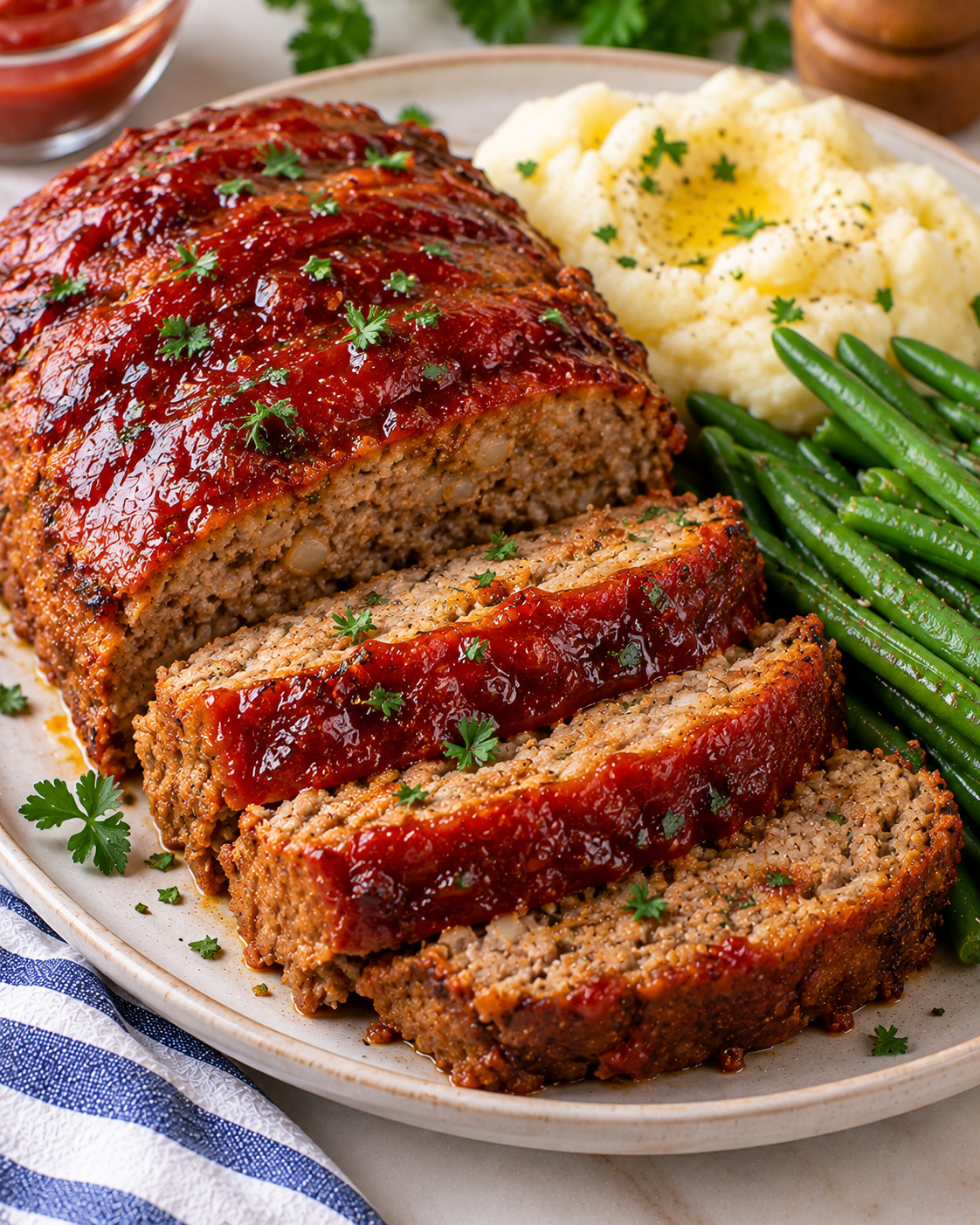
Old-Fashioned Meatloaf
Ingredients
Method
- Preheat the oven to 350°F (175°C).
- In a large bowl, mix together ground beef, breadcrumbs (or oats), egg, onion, garlic (if using), salt, and pepper until just combined.
- Form the mixture into a loaf shape and place it in a lined baking dish.
- Spread ketchup evenly on top of the meatloaf.
- Bake in the preheated oven for about 60 minutes or until the internal temperature reaches 160°F (71°C).
- Remove from the oven and let rest for 5-10 minutes before slicing.