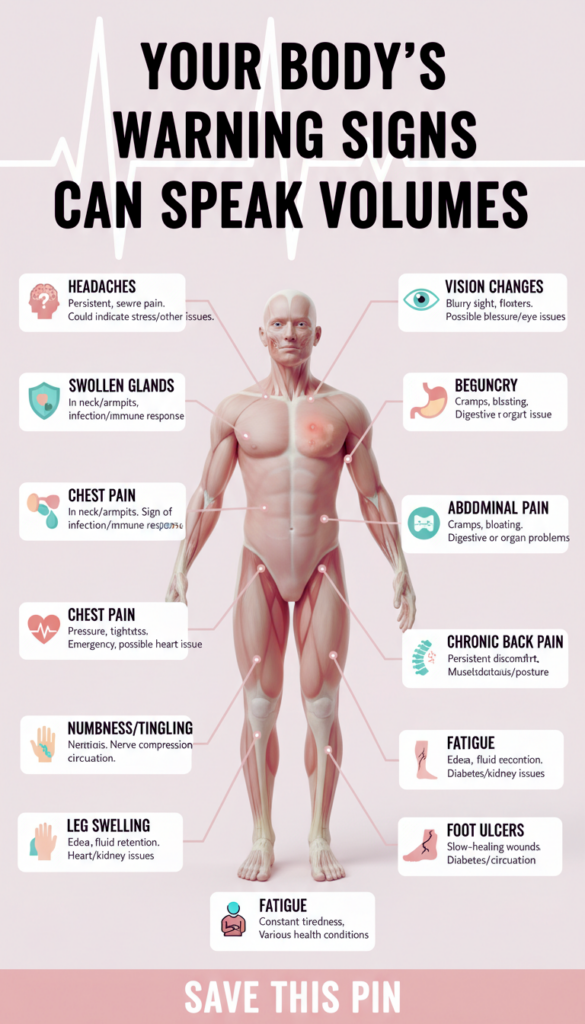
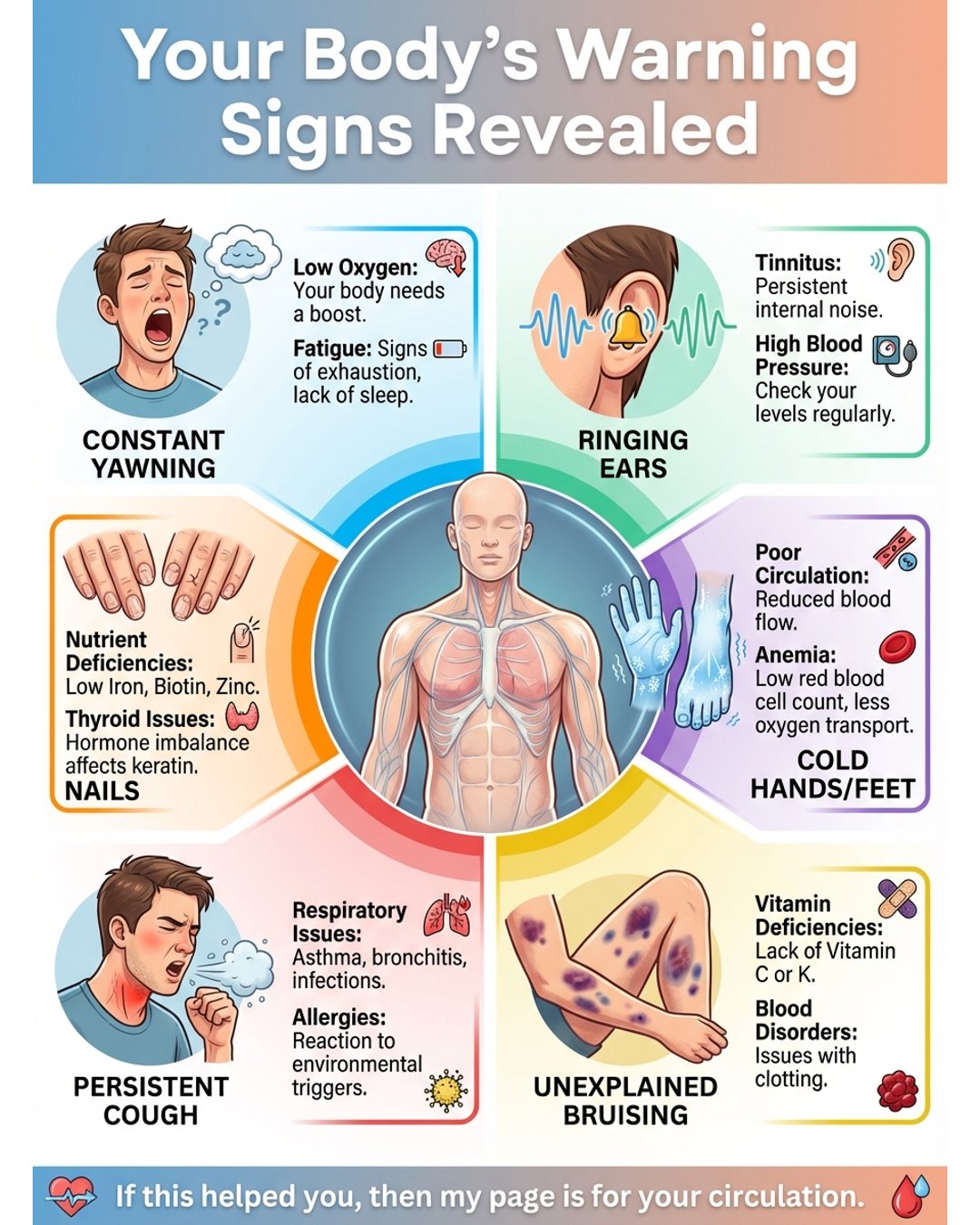
Your Body’s Warning Signs Can Speak Volumes, and trust me—I’ve learned this the… well, kinda embarrassing way. More than once! It’s sort of wild how your body shouts (or whispers—mine prefers sarcasm, I think) when things are off. Ever had that day where you just felt ”off” for no real reason? Yeah, me too. Turns out, a lot of those odd little signals—like face breakouts or suddenly achy feet—mean something. Basically, if you pay attention, your body is way better at telling you what’s wrong than you think. Want a good example? Check out these health warning signs women should not ignore, or if you’re worried about the pancreas (I know, random but important), here are pancreas warning signs you should know.
Why Body Language Matters in Health Monitoring
Ever notice how your hands shake before a big chat? Or, on the flip side, how someone’s tight lips mean they’re mad? Body language isn’t just for awkward first dates. It’s huge when spotting health changes.
- Body language clues can signal issues before you even realize you’re sick.
- Paying attention to how you move, stand, or hold yourself can help you find hidden problems.
- Even minor stuff—like slouching—might mean something’s up.
“After reading about [sitting posture mistakes that damage your spine](https://middleeastsector.com/5-sitting-posture-mistakes-damage-your-spine/), I changed my chair at work and my back pain finally improved. Those little habits really sneak up on you.”
– Quick changes in gestures or the way you walk? Yup, your body’s telling you a story—so listen up.
Facial Expressions
Your face is like a billboard for your health. Can’t hide a flushed face or a droopy eye, right?
- Breakouts can mean more than teenage drama—think about vitamin deficiency symptoms that show on your face.
- Look for weird redness, swelling, or twitching; it might be more than just a weird day.
- Consistent dry skin or puffy cheeks? The body’s dropping hints, big time.
- (Awkward confession: I once ignored a rash for a week. Regretted it. It was a food allergy. Classic me.)


The Eyes
They say eyes are the windows to the soul, but honestly? They’re like the front porch light for your body’s warning signs.
- Sudden blurriness, dryness, or weird colors? Don’t brush it off—could be important.
- Chronic red eyes can come from lack of sleep, allergies… or even warning signs of dehydration sneaking up.
- Check for puffiness (I call it “sleepy turtle mode”), which can mean anything from allergies to too much salt.
Gestures
Some days, you’re waving hello—other days it’s all sluggish movements and restless fidgeting. Pay attention!
- Unusual stiffness or shaking could be a red flag.
- If your foot’s always aching, check how you walk—or maybe your feet’s moisture levels are outta whack.
- Sitting oddly? Might be time to rethink your chair and check for posture problems.
- Notice if your walk is changing as you age—a clumsy trip-up isn’t always just bad luck.
How to Improve Your Nonverbal Communication
Struggling to get anyone to “read” your signals? (Or maybe you just want to look more confident at the next family get-together.) Here’s what works for me:
- Practice loose, comfortable posture—a stiff person isn’t fun to chat with or inviting at the dinner table.
- Eye contact! Too little is awkward, but too much…ehh, maybe just enough so people know you’re awake.
- Smile if you can, especially on tough days. It makes a weirdly big difference in how you feel.
- Start tuning into your own habits—sometimes, even your hands are trying to say something important.
Common Questions
Q: Do body warning signs always mean something serious?
A: Not always—sometimes it’s just too much coffee or a bad chair. But don’t ignore patterns or changes.
Q: How fast should I react to a new health sign?
A: If it’s sudden or scary, get help. If it lingers, track it and mention it to your doc at your next visit.
Q: Can food or sleep habits change my body language?
A: Absolutely! Junk food or too little sleep can throw off skin, posture, even how you walk.
Q: What if my family doesn’t believe my “weird” symptoms?
A: Keep a note of patterns—or get a second opinion. Only you know when something’s off in your body.
Q: Are there signs I can spot for others?
A: Yes! Watch for big shifts, like someone wincing, limping, or covering their face a lot. Sometimes you catch what they miss.
Don’t Ignore What Your Body’s Telling You
So here’s the bottom line: every quirk, ache, and change in your body could be your internal messaging system at work (and trust me, it doesn’t care whether there’s company over). Start tuning in, even to little oddities—take it as your chance to care for yourself, not just react. If you’re curious about stuff like how hot weather affects blood pressure and your heart, or even how to read your pet’s signs (weirdly similar, right?), check those keywords out. Anyway… keep paying attention. Your body’s way smarter than it lets on!