
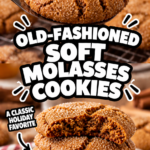
The smell of molasses cookies baking can put a kitchen into the holiday spirit, even when Christmas is weeks away. A cookie that smells familiar even before you take a bite, with warm spices, brown sugar notes and that unmistakable molasses smell.
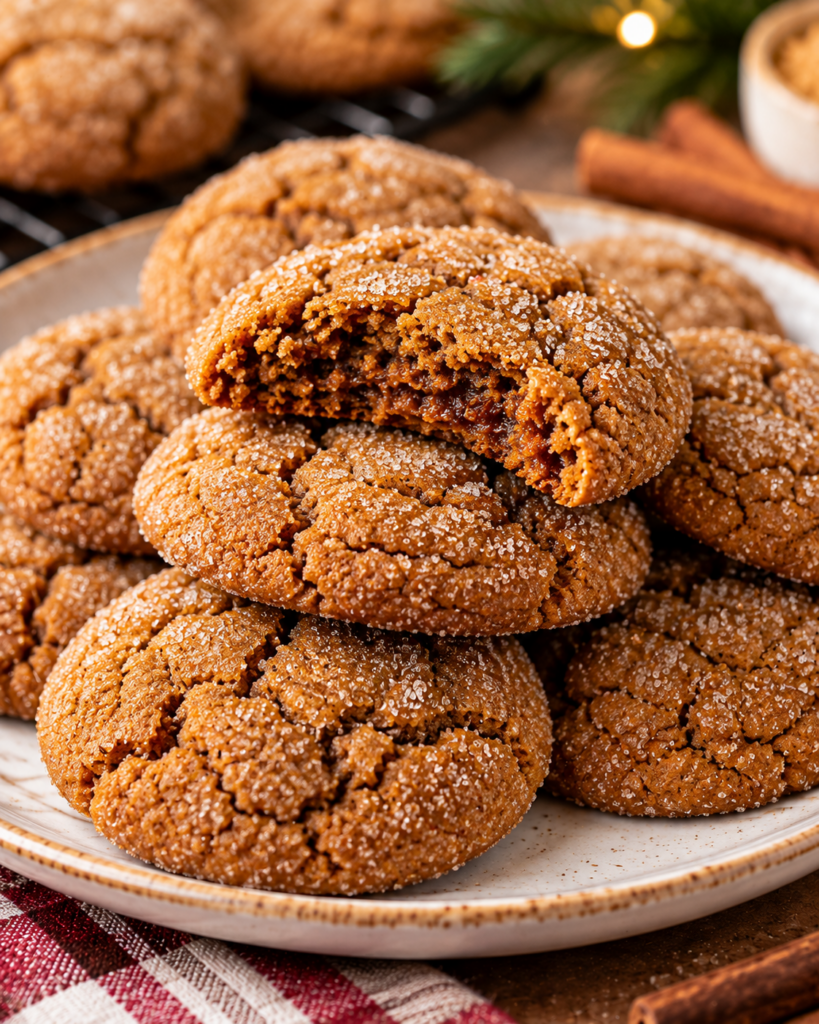
Old fashioned soft molasses cookies are not like crisp ginger snaps. They should have a tender centre, a bit of chew and just enough spice to cut their deep sweetness. The outside may crack a little, but it should still be soft inside, not dry or brittle.
“The biggest thing is getting that texture right. A good molasses cookies recipe should produce cookies that keep their shape but are not hard and have a rich flavour that is not bitter or too spicy.
Why Are Old Fashioned Molasses Cookies So Soft?
The softness of molasses cookies depends on the moisture, sugar, fat and flour in the dough. Molasses adds flavour and moisture, which helps to create the chewy, tender texture of this type of cookie.
The time you bake it is also key. The texture of cookies right after they come out of the oven is not necessarily the same as it will be later, as they will continue to firm up as they cool.
An overbaked cookie loses the soft centre that is so appealing in this recipe. One that is underbaked might be too doughy or not structured.
The goal is a cookie that is hearty but tender. It should give, or snap with a soft interior, not snap like a crisp ginger cookie.
Selecting the Right Molasses
Molasses is not a single homogeneous product. Light molasses is more delicate and sweeter than dark molasses, which is more robust.
Blackstrap molasses is much stronger and much more bitter than the kind used in sweet cookies. When a recipe is written for a milder molasses, it’s not a direct substitute generally.
The flavour and appearance will be affected by the type you use. Darker molasses could make for a more intense cookie, with a deeper colour.
The right molasses cookie for an old-fashioned molasses cookie is the one listed on the recipe card. Using a stronger product can change the flavour of the finished cookies noticeably.
How Flavour is Affected by Spices
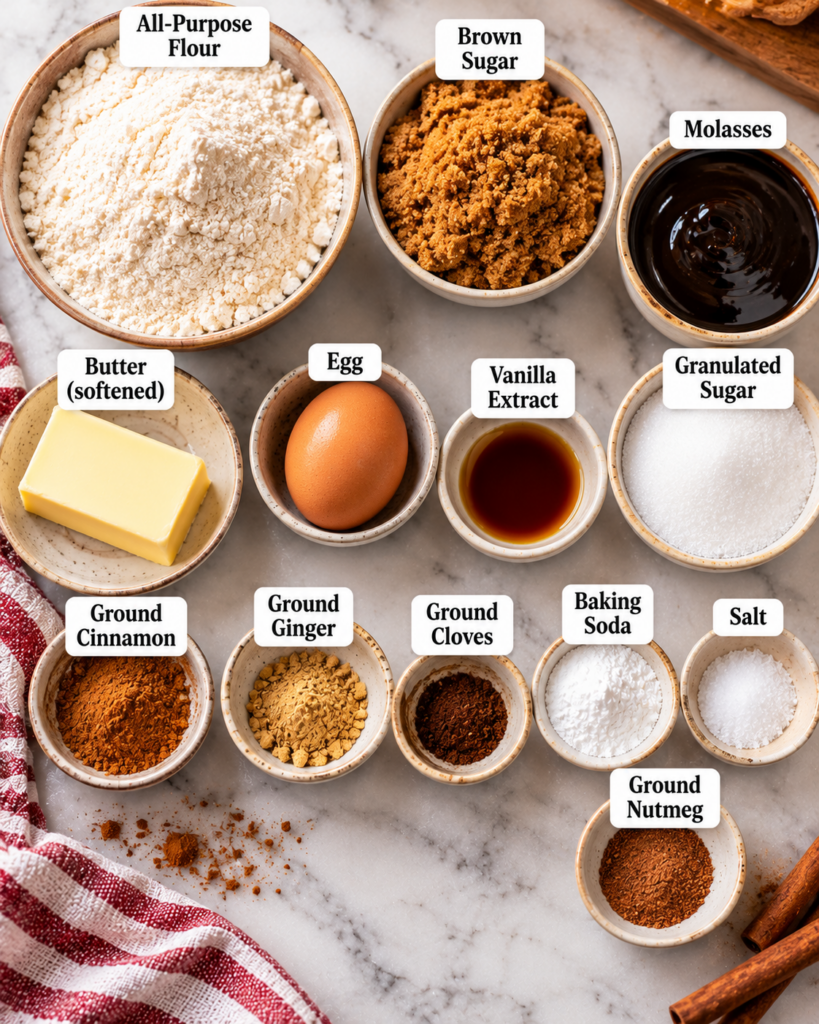
The warm spices are what make molasses cookies distinctive. Ginger gives it a peppery warmth, cinnamon a friendly sweetness.
Cloves are very strong and can take over the other flavours if not balanced. Some traditional recipes might also add nutmeg and other spices.
The molasses itself has a deep, almost caramel-like character already. The spices should complement that flavour, not overwhelm it.
A well balanced cookie tastes warm and fragrant, with the taste of molasses still lingering after the spices come through.
Tips for Thick and Tender Cookies
Thick molasses cookies must have enough structure to hold their shape, but still have a soft centre. Dough consistency is one of the most important factors in this result.
Too much flour can make the cookies dry or heavy. If they are not well formed enough, they can spread even further than you want.
Cookie dough temperature also plays a role in how the cookie behaves in the oven. A warm dough will spread differently than a chilled one depending on the recipe.
The finished cookies should be tender but not crumbly. A little chew is good but a heavy gummy centre is not softness
How to Keep Molasses Cookies From Getting Dry or Hard
Hard molasses cookies are often the result of overbaking. The cookies will continue to firm as they cool, potentially making a slightly overbaked batch feel much drier later.
Another is the measuring of flour. If you add more flour than the recipe calls for, you’ll end up with a tough dough and a heavy final cookie.
The moisture and texture can also be affected by the type of molasses. Products don’t always do the same thing
Storage is important after baking. Cookies left out in the air will dry and harden, even if they were soft the first day.
The best way to do this is to follow the doneness cues in the recipe and to keep the cookies from drying out once they’re out of the oven.
Keep the Dough Cold to Keep Spread to a Minimum
Some molasses cookie recipes require chilling because the temperature of the dough will affect how it spreads when baking. Some are reared to work without a long chill.

The ratio of fat, sugar and flour can influence spreading, too. You don’t want to end up with flatter cookies if the dough becomes too soft.
Baking surface and oven conditions matter, too. The edges of the cookies can set faster or slower on different pans.
If your recipe calls for chilling, think of that as a required step, not a possible detail. It might be important to make the thickness of the cookie that is expected.
Gift & Serving Ideas for the Holidays
Soft molasses cookies are a natural for a Christmas cookie tray. Their deep colour and warm spice flavour are a nice compliment to sugar cookies, shortbread and chocolate treats.
They also make nice homemade gifts, since they do not need fancy decoration. A simple cookie tin or bakery style box will make them feel special.
Serve them on a dessert platter with cookies of varying textures. Especially pleasing is a combination of crisp butter cookies and tender molasses cookies.
They’re also good with coffee, tea or a glass of milk. Their warm spiciness makes them as welcome on a cold afternoon as they are at a holiday gathering.
Storage and Freezer Advice
Store soft molasses cookies in an airtight container to help keep the moisture in. They can harden with exposure to air over time.
The length of time to store depends on the recipe and the ingredients. Unless the recipe calls for a filling or topping that needs to be refrigerated, store the cookies in a cool, dry place.
Many molasses cookie doughs freeze well, but the dough may need special handling before baking. The best guide is the recipe’s freezing instructions.
Baked cookies can often be frozen with success too. Proper wrapping keeps freezer burn and unwanted odours from occurring.
Frequently Asked Questions (FAQ) about Soft Molasses Cookies
What Kind of Molasses is Best?
Soft molasses cookies typically use light or dark molasses depending on the flavour you want. Blackstrap molasses is a lot more bitter and you shouldn’t use it as a substitute unless the recipe specifically calls for it.
What Makes My Cookies Hard?
Over-baking, too much flour, or poor storage can cause hard molasses cookies. The cookies also firm up as they cool so the final texture may change after they leave the oven.
Can the dough be frozen?
Most molasses cookie doughs freeze well, but the best way to handle them will depend on the recipe. Follow the freezing and baking instructions from frozen or thawed dough.
How to Make Molasses Cookies Chewy
Don’t overbake. Store cooled cookies in an airtight container. The balance of ingredients in the recipe also helps a lot in maintaining a tender texture.
Zusammenfassung
Old-Fashioned Soft Molasses Cookies are wonderfully warm and spiced, making them especially welcomed during the holidays. They are simple enough for everyday baking but unique enough to make the grade on a Christmas cookie tray.
The best batch has a soft centre, a light chew and a deep molasses flavour. These are the reasons these cookies are worth baking again.
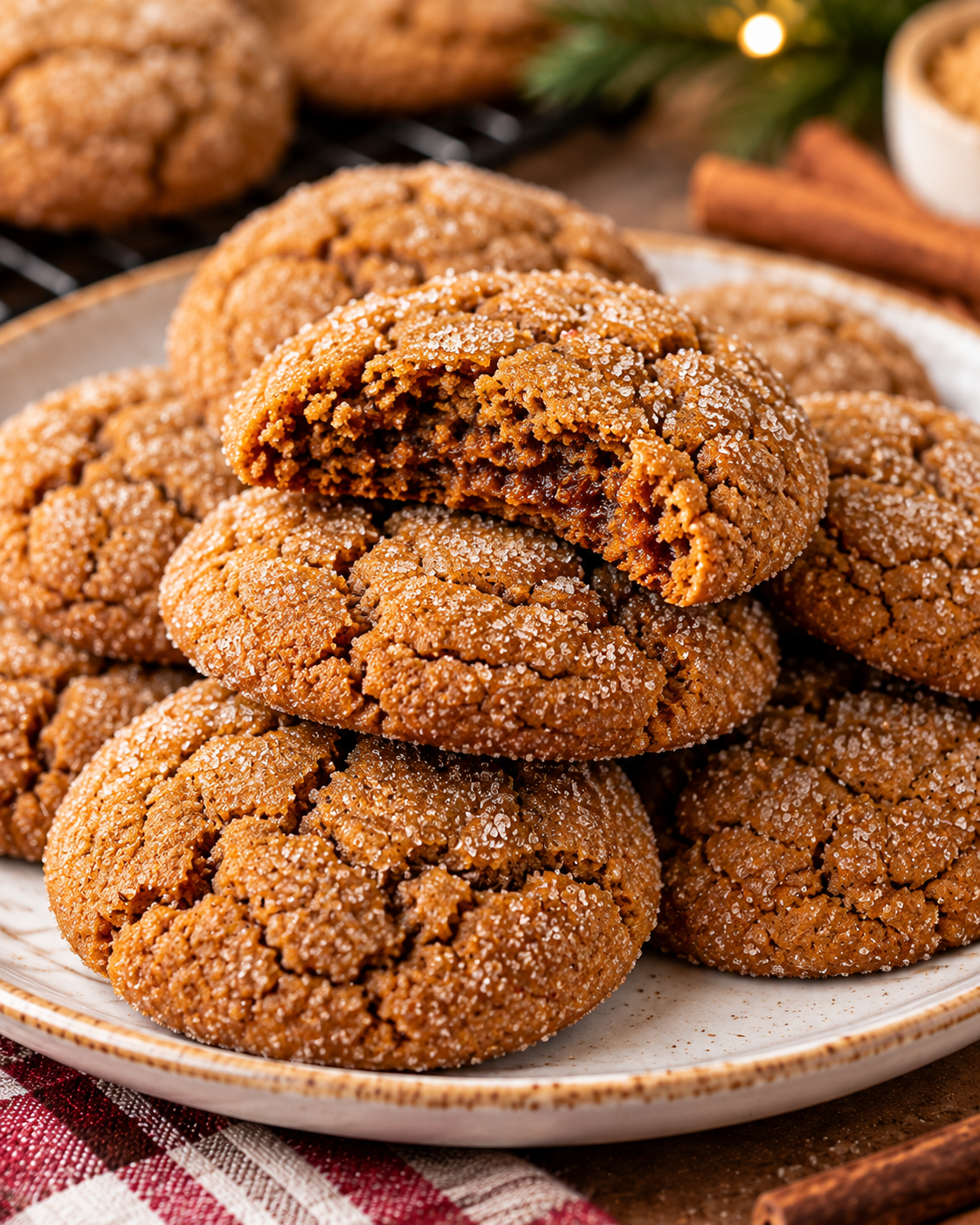
Old-Fashioned Soft Molasses Cookies
Ingredients
Method
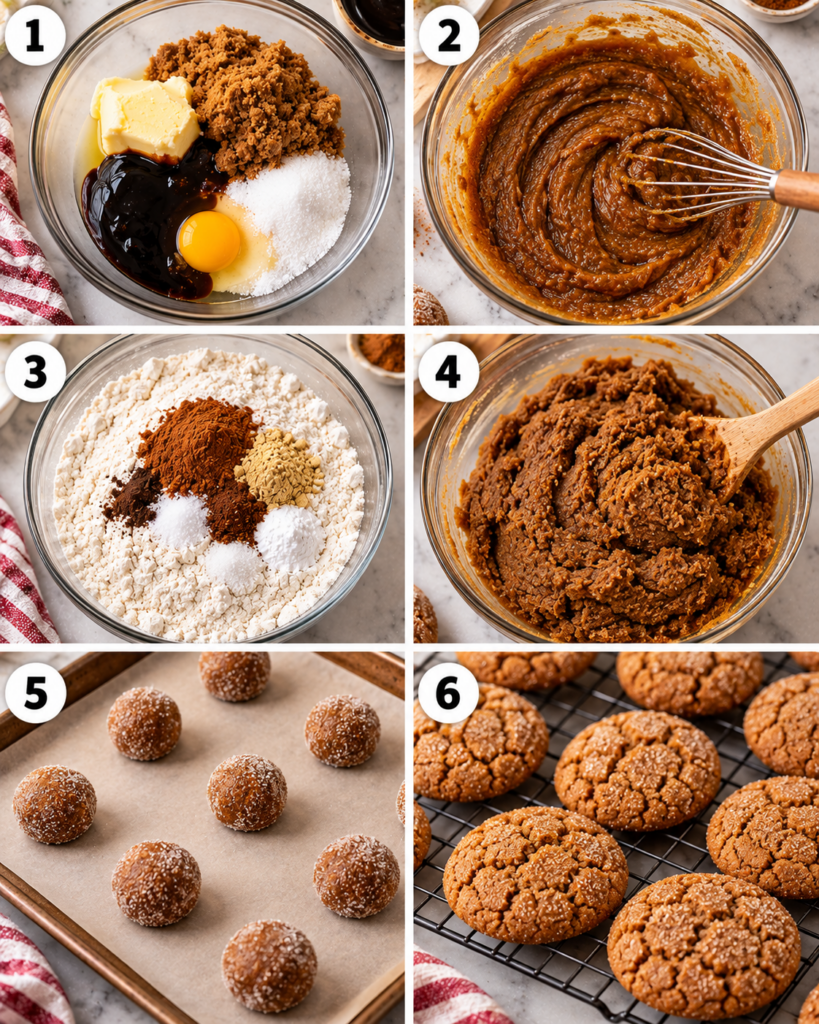
- Preheat the oven to 350°F (175°C) and line a baking sheet with parchment paper.
- In a bowl, whisk together the dry ingredients: flour, baking soda, ginger, cinnamon, cloves, and salt.
- In a separate bowl, cream the butter and brown sugar together until light and fluffy.
- Add the molasses and egg, mixing until well combined.
- Gradually add the dry ingredients to the wet ingredients, mixing until just combined.
- Drop rounded tablespoons of dough onto the prepared baking sheet, leaving space between each cookie.
- Bake for 8-10 minutes, or until the edges are set but the centers are still soft.
- Let cool on the baking sheet for a few minutes before transferring to a wire rack to cool completely.