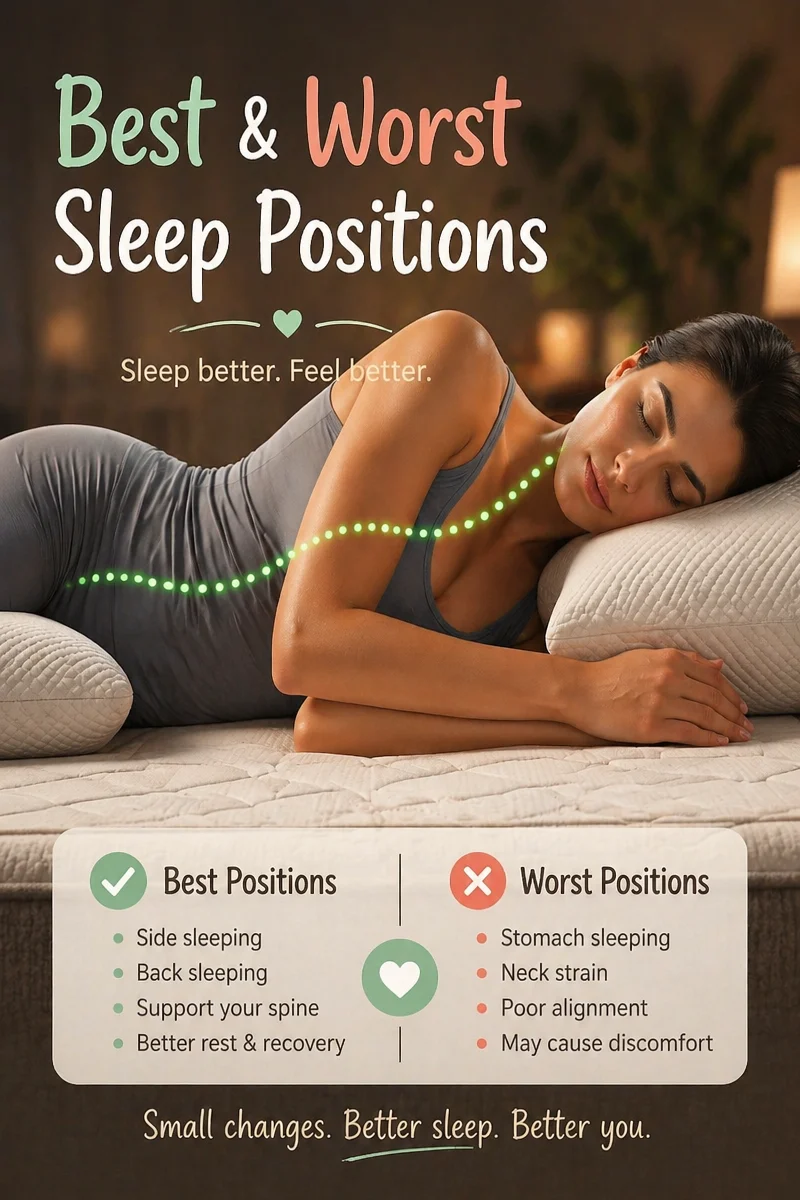
The Best And Worst Sleeping Positions. It’s honestly wild how something as simple as how we flop down on the sheets can totally change our day. Ever wake up feeling all achy, like you fought a bear in your sleep? (Been there, not fun at all.) Turns out, where you park your head and limbs is a big deal for stuff like back pain, digestion, and even… wrinkles. If you want a quick snapshot of what’s good, what’s bad, or why you wake up feeling like a stack of pancakes, check out my breakdown below. Plus, I’ll drop a link for more lowdown about why sleep position matters specifically. Oh, and it surprised me how sleeping weird can make your skin cranky—caught an interesting read about that here. Let’s dig in.
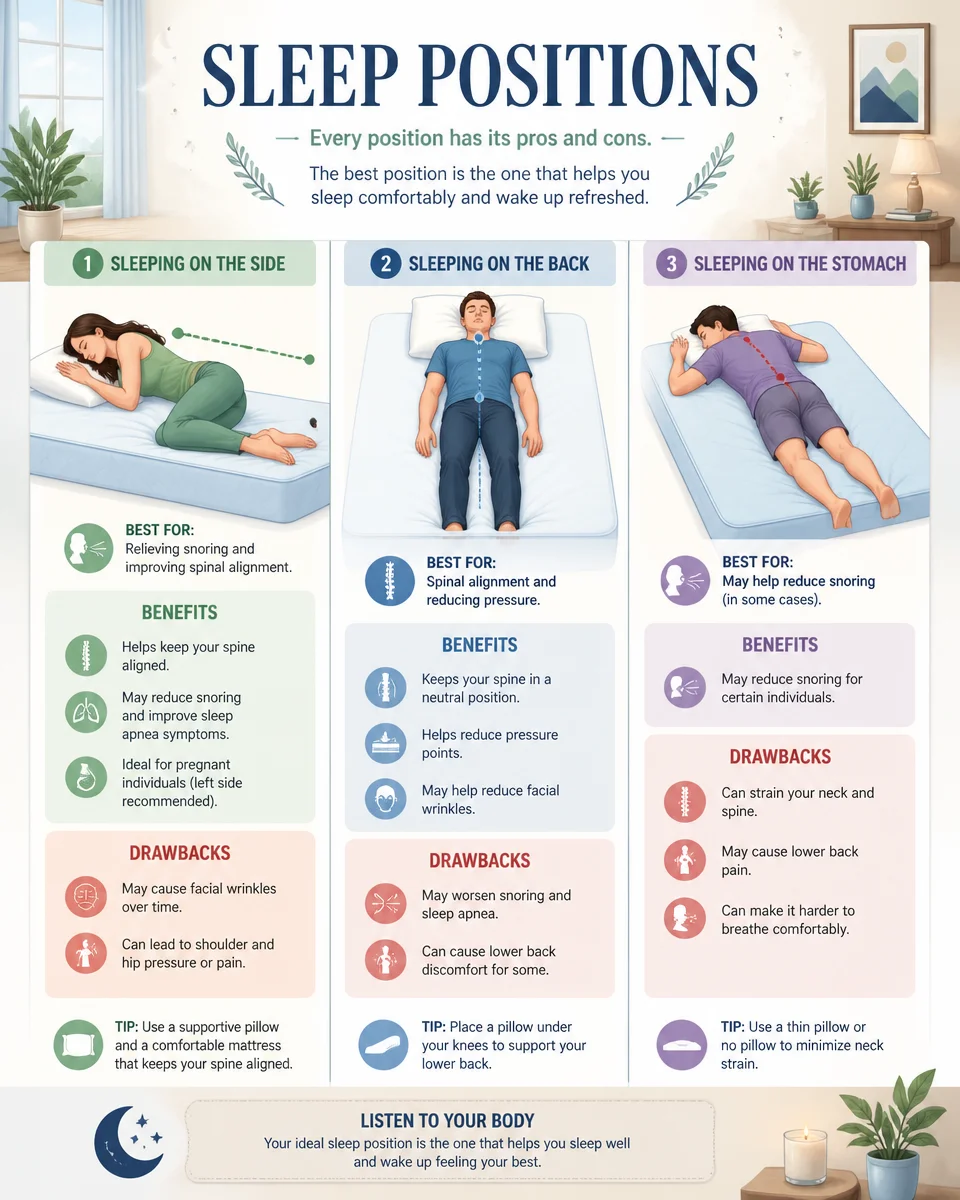
Why Sleep Positions Matter
Look, it’s not just about comfort (although who doesn’t love a squishy pillow, right?). Your sleep position does all kinds of sneaky things:
- Impacts your spine, neck, and hips. Sleep wrong, wake up sore.
- Messes with your breathing (snoring orchestra, anyone?).
- Can even shift your skin game—hello pillow wrinkles.
- Some positions will help digestion, while others? Hope you like heartburn.
I once dozed on my arm wrong and had “useless noodle limb” all morning. Not recommended.
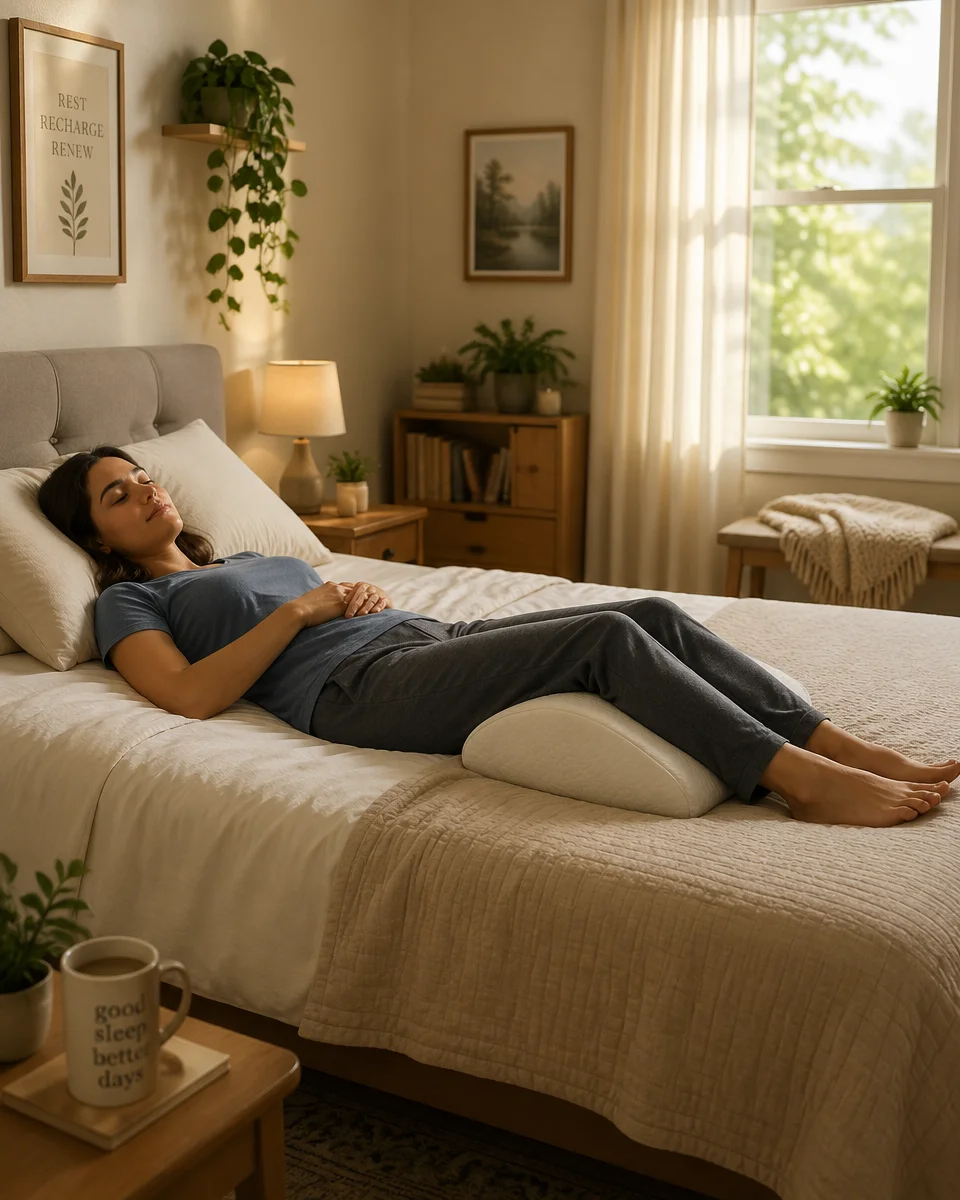
“I used to wake up with such a stiff neck, but once I changed to sleeping on my side with a pillow between my knees, it was life-changing. Honestly, I wish I’d figured it out sooner!” — Jordan T.
Best Sleep Positions for Health
Surprise, not all sleep spots are equal. Here are my gold-star picks:
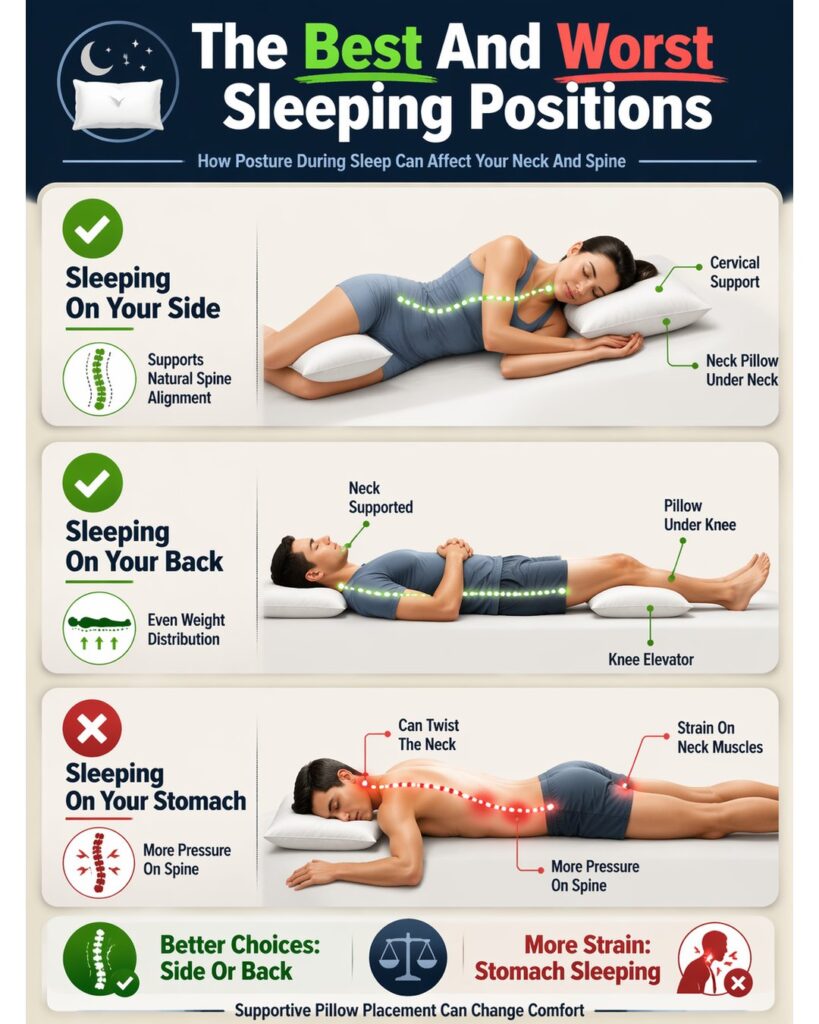
- Side sleeping (especially on your left): This is the five-star restaurant of sleep. Helps digestion and may cut snoring.
- Back sleeping: Good for your neck—IF you use a pillow the right way (not flat as a pancake).
- Fetal position (kinda curled up): Comfy, but don’t tuck too tight.
- Oh, and I tried “legs up the wall” before bed (just five minutes)—read why it’s so chilltastic.
Just don’t overthink it; small tweaks can mean a world of difference.
Worst Sleep Positions to Avoid
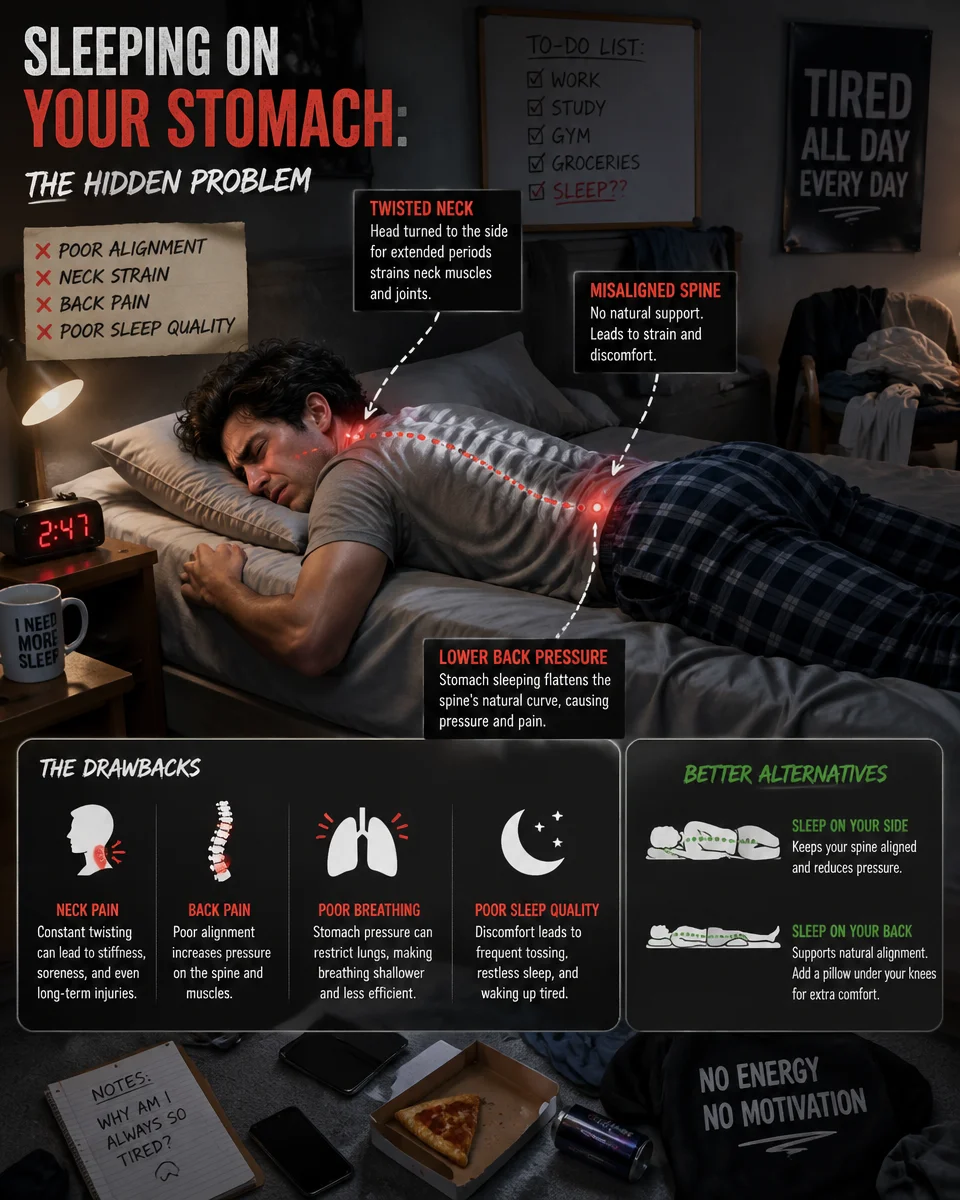
Alright. Confession time—I was a stomach sleeper for years (bad, bad habit):
- Stomach sleeping: Twists your spine & neck in ways spines do NOT appreciate.
- Starfish arms overhead: Leads to numbness (woke up feeling like my arms belonged to someone else).
- Face smushed in the pillow: Wrinkle city, folks. No thanks.
- I learned most of this after reading the dos and don’ts for back/neck pain. Worth poking at.
If you can ditch these, your body will whisper “thank you” every single morning.
Tips for Adjusting Your Sleeping Position
Swapping your sleep style isn’t a “flip the pancake” fix, honestly:
- Use a weird pillow (seriously, try a knee pillow or a wedge). Changed my life.
- Switch gradually, like sleeping on your side for half the night.
- Blockers (rolling up a towel and wedging it behind you) can keep you from flipping.
- Messing with your bedtime routine—just a little—may help you stick to the new game plan.
If you’re a serial stomach sleeper? Try starting on your side—don’t be shocked if you wake up somewhere else, though.
“Changing your sleep position takes real patience. Your body fights it, but a couple weeks in, you’ll notice less back ache. It’s worth the struggle, I promise.” — Dariel M.
Common Myths About Sleep Positions
Let’s bust a few bedtime bedtime whoppers, shall we?
- “There’s one ‘perfect’ sleep position.” Nah. It’s personal—like your favorite pizza toppings.
- “Sleeping on your left side fixes all digestion issues.” Not true, but it can help a bit. Read what works for you (peek at the best foods for healthy digestion if you’re curious).
- “If you get comfy, it’s definitely good for you.” Your body can trick you (learned that the ouch-y way).
- “You can change sleep styles in a night.” Pfft. Takes time. No magic wands here.
Try what works; skip what doesn’t. Sleep isn’t a one-size-fits-all T-shirt, you know?
“I always thought sleeping on my stomach was the best way, but my chiropractor said nope! Switched to side sleeping, and I swear I feel ten years younger.” — Lena R.
Common Questions
Q: Is sleeping on your back better than on your side?
A: Depends on you. Back sleeping can help with neck pain, but side sleeping’s often better for digestion and snoring.
Q: How can I stop rolling onto my stomach?
A: Try tucking a pillow at your side or even sewing a tennis ball into your pajama front. Sounds goofy, kinda works.
Q: Will my sleep position actually age my skin?
A: Sadly, yes—especially if you press your face into your pillow each night. Switching up or using a silk pillowcase can help.
Q: Is it dangerous to sleep in the fetal position every night?
A: As long as you’re not curled tight as a pretzel, it’s mostly fine. Loosen up for easier breathing.
Q: Can changing sleep position fix back pain?
A: Sometimes! Position matters a ton. Here are more tricks for back/neck relief.
Sleep Like You Mean It: My Final Take
If you take nothing else away from this post, remember: The best and worst sleeping positions can either leave you grinning in the morning—or moving like Frankenstein. It all comes down to finding what gives your body (and brain) the best rest–no shame in a little trial and error! Honestly, I used to think everyone just flopped down any old way, but specialists rank positions for back and neck health and they’re pretty spot-on. Not sure what’s perfect for you? Well, this simple guide covers side, stomach, and back sleeping real quick. Bottom line: get comfy, listen to your own aches, and—hey, if you find a “secret recipe” for the sweetest shut-eye, share it with me.