
Old Fashioned Beef Stew is the kind of dinner I make when the day has been long, the weather is doing that annoying cold and gray thing, and everyone in the house keeps wandering into the kitchen asking, what smells so good. It is cozy, filling, and honestly pretty forgiving if you are not in the mood to measure every little thing. I started making it years ago when I wanted something that tasted like home without needing fancy ingredients. If you have a pot, a spoon, and a little patience, you are already halfway there. Let me walk you through how I make it and all the small tricks that make it taste like it simmered all day. 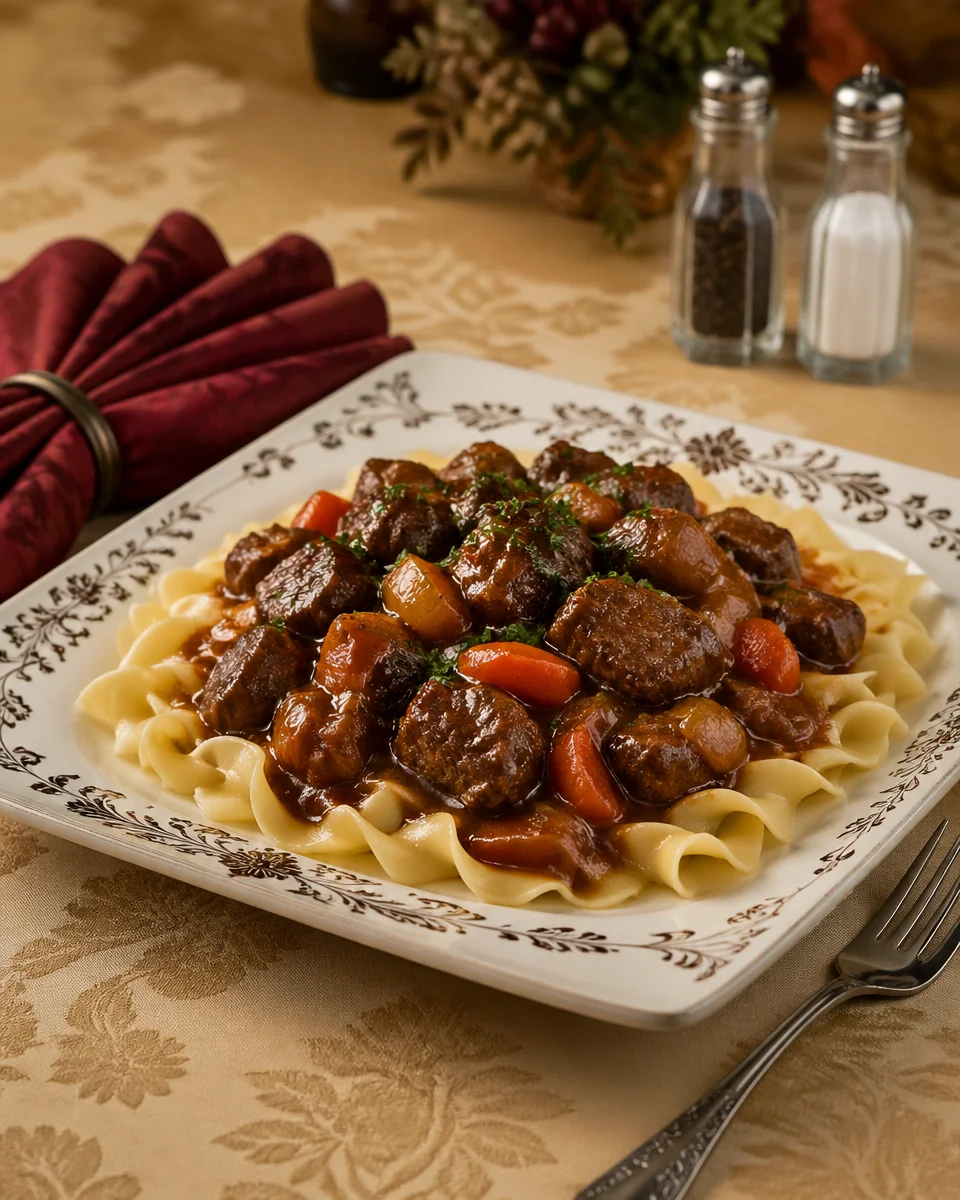
Ingredients needed for Old-Fashioned Beef Stew
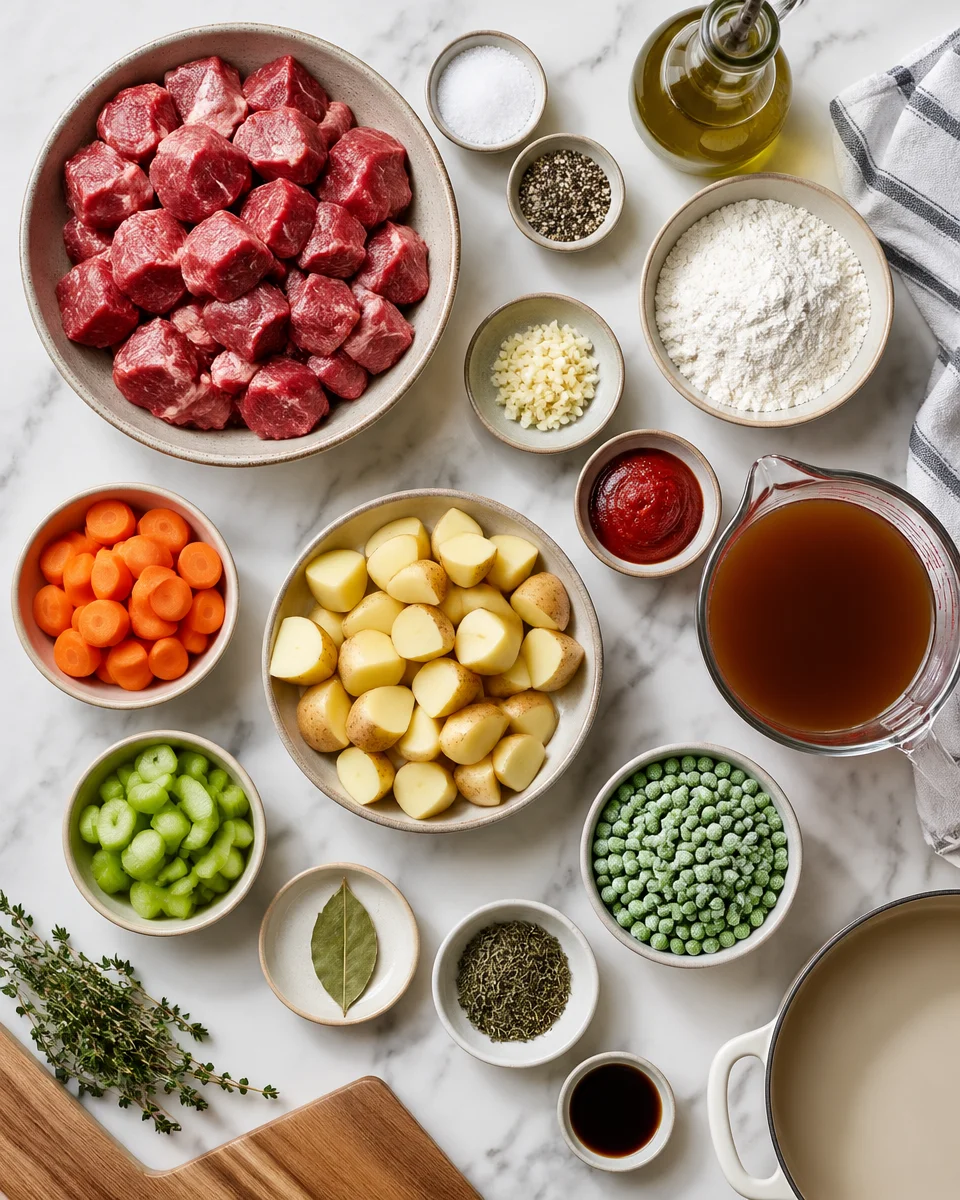
I love recipes that use simple grocery store basics, and this one really does. The goal is tender beef, a thick savory broth, and vegetables that are soft but not total mush. Here is what I grab most of the time. You can swap a few things based on what you have, but try to keep the core pieces the same.
- Beef chuck roast, cut into bite size chunks (this is the classic stew cut)
- Salt and black pepper
- Flour (for a light coating that helps thicken later)
- Oil or a mix of oil and butter
- Onion, chopped
- Garlic, minced
- Tomato paste (just a spoonful adds depth)
- Beef broth or stock (low sodium is great so you can control salt)
- Worcestershire sauce (optional but really good)
- Carrots, peeled and cut
- Celery, sliced
- Potatoes (Yukon gold or russet both work)
- Bay leaf
- Dried thyme or a small thyme sprig
- Frozen peas (optional, I add at the end)
Sometimes I toss in mushrooms if I have them, or a splash of red wine if a bottle is open. And if you are a comfort food person like me, you might also like this cozy dinner idea for another night: old-fashioned American goulash. Different vibe, same warm and filling energy.
;
Step-by-step preparation instructions for perfect beef stew
This is not hard, but it does like a little time. The biggest secret is letting the beef get truly tender. If you rush it, it will taste like you are chewing on a work boot. Here is my simple method.
My easy stovetop method
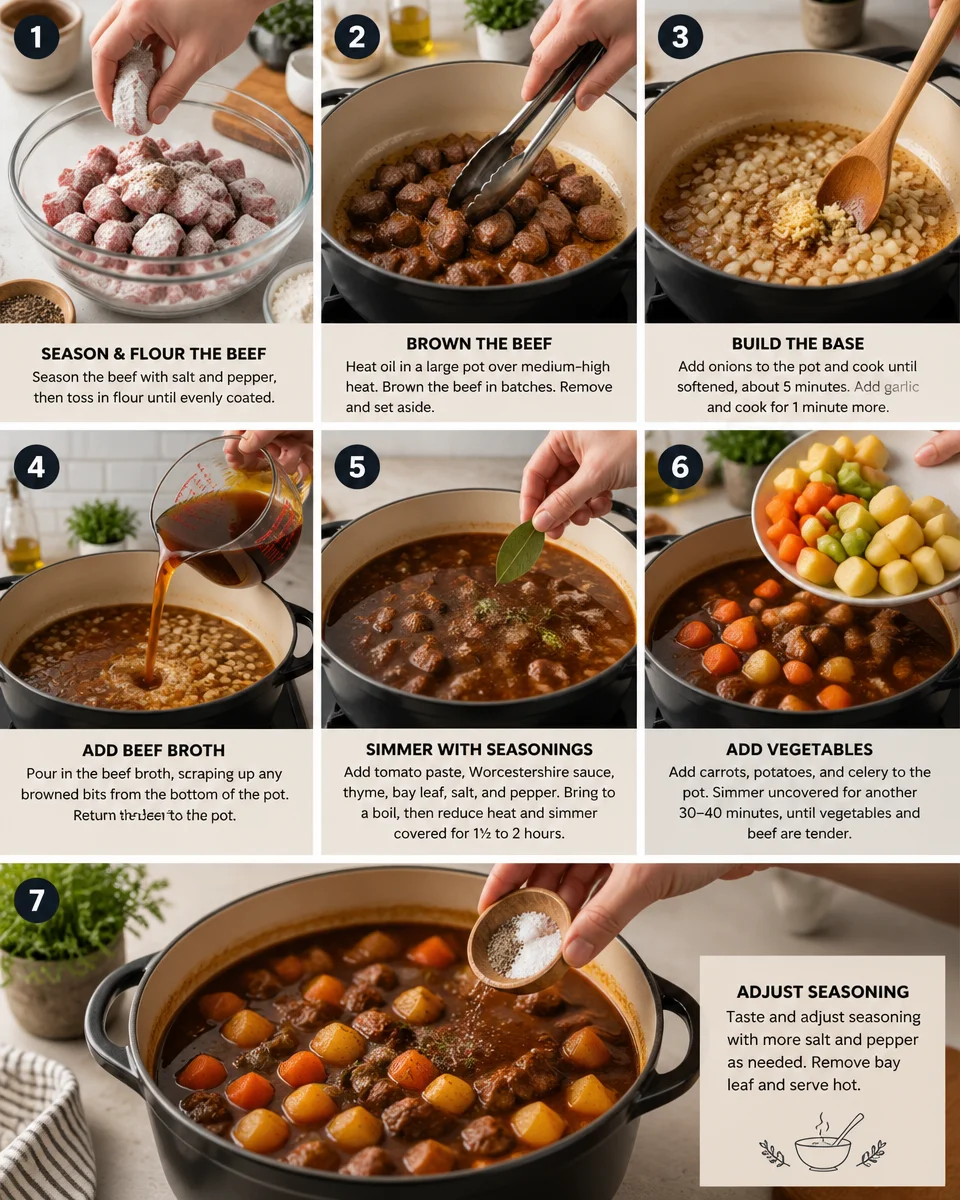
Step 1: Season and lightly flour the beef. Pat the beef dry with paper towels, then season with salt and pepper. Toss with a couple tablespoons of flour, just enough to lightly coat.
Step 2: Brown the beef in batches. Heat oil in a heavy pot over medium high heat. Add beef in a single layer. Do not crowd the pot. Let it brown on a couple sides, then pull it out. Repeat until it is all browned. This step adds big flavor, so I do not skip it.
Step 3: Build the base. In the same pot, add onions and a pinch of salt. Cook a few minutes, then add garlic. Stir in tomato paste and cook about 30 seconds so it does not taste raw.
Step 4: Add liquid and scrape the pot. Pour in beef broth and scrape up the brown bits from the bottom. Those bits are flavor you already paid for, so get them into the stew.
Step 5: Simmer low and slow. Add the beef back in. Add bay leaf, thyme, and a small splash of Worcestershire if you use it. Bring to a gentle simmer, then turn the heat down and cover partially. Let it cook about 1 hour.
Step 6: Add hearty vegetables. Add carrots, celery, and potatoes. Simmer another 45 to 60 minutes, until the beef is very tender and potatoes are cooked through.
Step 7: Finish and adjust. Taste and add salt and pepper as needed. If you want peas, stir them in for the last 5 minutes.
If you are on a beef kick lately, another quick dinner I make all the time is beef and broccoli. It is a totally different style, but it is great for weeknights when you do not want a long simmer.
Tips for enhancing flavor and texture in your beef stew
I have made Old Fashioned Beef Stew enough times to learn what actually matters. Not chef stuff, just real life stuff that makes it taste better with the same ingredients.
Small upgrades that make a big difference
Brown the meat properly. You want deep color, not gray steamed beef. Work in batches and let it sit long enough to get that crust.
Use chuck roast, not super lean beef. Chuck has the right fat and connective tissue. After a long simmer it turns tender and rich, which is exactly what you want.
Do not boil it. A hard boil can make the beef tough and break down the vegetables too fast. Keep it at a gentle simmer where you see little bubbles.
Thicken in a way that feels natural. The light flour coating helps, plus the potatoes release a little starch. If you still want it thicker, mash a few potato chunks against the side of the pot and stir them in. It works like a charm.
Let it rest. If you can, turn off the heat and let the pot sit 15 minutes before serving. The broth settles and tastes more blended.
This is also one of those meals that feels even better with something homemade on the side. If you are into old school baking, I really like old-fashioned applesauce bread. It is slightly sweet, super soft, and somehow it just works next to a savory bowl of stew.
Common mistakes to avoid when making beef stew
I have made every mistake on this list at least once, especially when I was hungry and impatient. If you avoid these, your Old Fashioned Beef Stew comes out richer, thicker, and way more comforting.
- Skipping the browning step. The stew will still cook, but it will taste flat.
- Cutting the beef too small. Tiny pieces dry out faster. Go for nice chunks.
- Adding all vegetables at the start. Potatoes and carrots need time, yes, but not two full hours or they will disappear.
- Over salting early. Broth reduces as it cooks. Season lightly at first and finish at the end.
- Rushing the simmer. Tender beef takes time. If it is still tough, it usually just needs longer, not more heat.
“I tried your timing tip about adding the potatoes later and it fixed everything. My stew used to turn into a thick vegetable mush, but this one tasted like my grandma’s. The beef was actually tender for once.”
By the way, if you like old comfort meals that use simple ingredients, corned beef hash is another classic that hits the spot, especially for a weekend breakfast situation.
Serving suggestions and pairings for Old-Fashioned Beef Stew
Old Fashioned Beef Stew is basically a full meal in a bowl, but I still love having something on the side for dipping and scooping. Also, leftovers are magic. It might taste even better the next day, no joke.

How I like to serve it
- Crusty bread or warm rolls for soaking up broth
- Buttered rice or egg noodles if you want to stretch it
- A simple green salad with a tangy dressing to cut the richness
- Pickles or something acidic on the side if you like contrast
If you are doing a full old fashioned comfort dinner, dessert is such a fun follow up. This old-fashioned custard pie is the kind of simple sweet that feels perfect after a warm stew meal.
Common Questions
1. What is the best cut of meat for Old Fashioned Beef Stew?
Chuck roast is my favorite because it gets tender after a long simmer and it stays juicy. Stew meat packages can work, but chuck is more reliable.
2. Can I make this stew in advance?
Yes, and you should if you can. The flavor gets deeper overnight. Store it in the fridge and reheat gently the next day.
3. How do I thicken beef stew without messing it up?
Mashing a few cooked potato chunks into the broth is the easiest fix. You can also stir a small slurry of flour and water, but add it slowly and simmer a few minutes.
4. Why is my beef still tough?
It usually means it needs more time at a gentle simmer. Tough beef rarely gets tender by turning up the heat. It just needs patience.
5. Can I freeze leftovers?
Yes. Freeze in containers once cooled. Potatoes can get a bit softer after freezing, but the flavor is still great.
A cozy final note before you start simmering
If you make this Old Fashioned Beef Stew, give it the time it needs and you will be rewarded with that rich broth and tender beef that feels like a warm blanket. Keep it simple, taste as you go, and do not stress if your veggie sizes are not perfect. If you want to compare methods, I like reading Beef Stew Recipe – NYT Cooking for classic technique and Old Fashioned Beef Stew Recipe (Classic Stovetop) + Video – TSRI for another homey approach. Either way, I hope you try it soon and make it your own, because this is one of those recipes that earns a permanent spot in your kitchen.
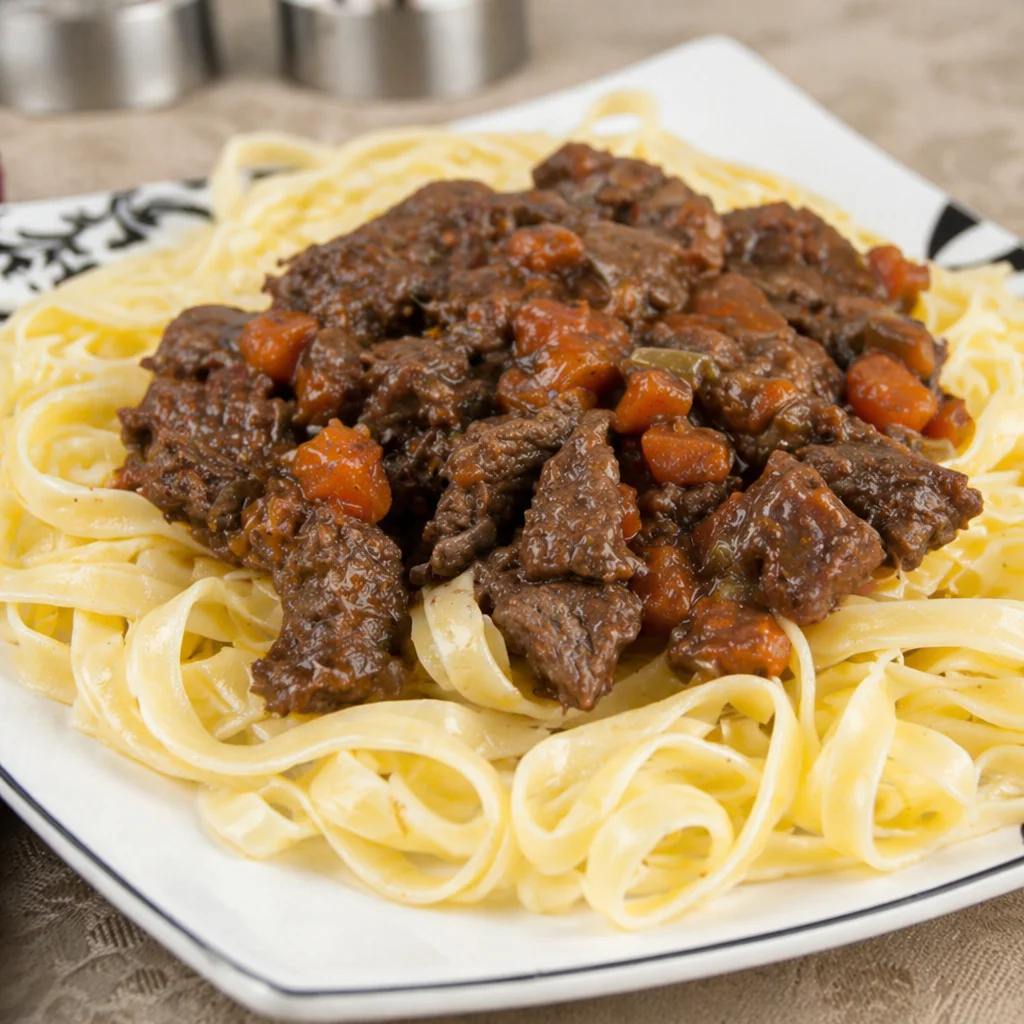
Old Fashioned Beef Stew
Ingredients
Method
- Pat the beef dry with paper towels and season with salt and pepper. Toss with a couple tablespoons of flour to lightly coat.
- Heat oil in a heavy pot over medium-high heat. Add beef in a single layer and brown on a couple of sides in batches. Pull it out and repeat until browned.
- In the same pot, add onions and a pinch of salt. Cook for a few minutes, then add garlic. Stir in the tomato paste and cook for about 30 seconds until it does not taste raw.
- Pour in the beef broth and scrape up the brown bits from the bottom of the pot.
- Add the beef back in along with the bay leaf, thyme, and Worcestershire sauce if using. Bring to a gentle simmer, then turn the heat down and cover partially. Let it cook for about 1 hour.
- Add the carrots, celery, and potatoes. Simmer for another 45 to 60 minutes until the beef is very tender and the potatoes are cooked through.
- Taste and adjust with salt and pepper as needed. Stir in the peas for the last 5 minutes if desired.