

Walk into an Italian bakery, and the butter cookies are often some of the prettiest treats in the display case. Some have delicate ridges, others are decorated with colorful sprinkles, and a few are dipped in chocolate or paired with a little jam. They look festive, but their appeal goes well beyond the decorations.
A good Italian butter cookies recipe should produce cookies that taste rich and buttery without feeling greasy. The texture is just as important as the flavor. You want a tender bite with enough structure to hold the cookie together, not something so dry that it crumbles before you can enjoy it.
These cookies are especially popular around Christmas, but there’s no reason to save them for December. They’re lovely with afternoon coffee, easy to arrange on a dessert tray, and special enough to package as a homemade gift.
What Makes Italian Butter Cookies Different?
Italian butter cookies are closely associated with Italian-American bakeries, where they appear in different shapes, colors, and decorative styles. Their recognizable buttery flavor and delicate texture make them a little different from ordinary soft sugar cookies.
Many bakery versions have a slightly crisp exterior and a tender, melt-in-your-mouth center. They aren’t usually meant to be thick, chewy cookies. Instead, the pleasure comes from their delicate crumb and rich flavor.
Another distinguishing feature is their appearance. Traditional bakery assortments often include several decorative finishes, giving a simple butter cookie a surprisingly elegant presentation.
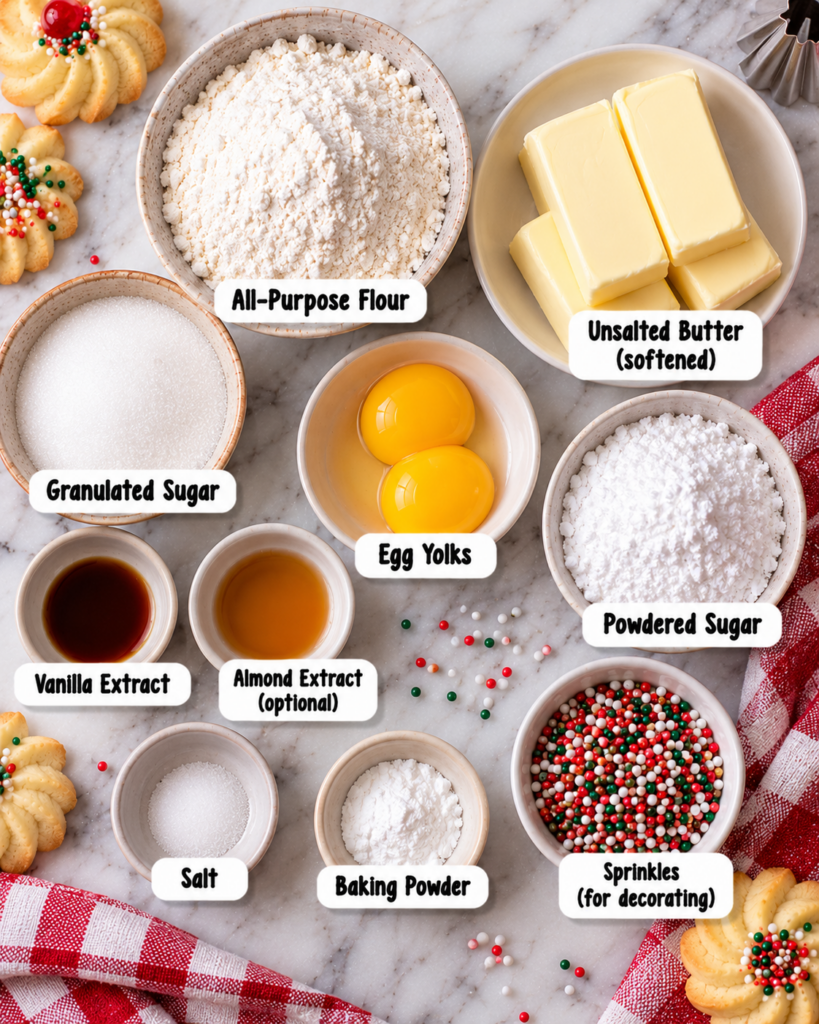
Bakery-Style Texture and Flavor
The best Italian butter cookies have a rich flavor without becoming overly sweet. Butter should be noticeable, but it shouldn’t leave an unpleasant oily feeling on the palate.
Texture can vary between recipes. Some cookies have a delicate snap around the edges, while others are more tender throughout. Both can be appealing when the finished cookie has the structure intended by the recipe.
Tender Without Being Fragile
A cookie that’s too delicate can break during handling, decorating, or packaging. That’s particularly frustrating when you’re preparing a holiday assortment or a gift box.
A well-balanced cookie should hold its shape when picked up while still feeling tender when bitten. The difference between delicate and crumbly is small, but it matters.
Why the Butter Flavor Matters
Italian butter cookies are relatively simple in flavor, so there’s little to hide behind. A good buttery taste gives the cookie its character, while any decorative additions should complement rather than overpower it.
Chocolate and jam can add another dimension, but the plain cookie should still be enjoyable on its own.
How to Choose a Piped or Shaped Cookie Style
Italian butter cookies come in several forms, and the correct style depends on the dough used in the original recipe. Some are piped into decorative shapes, while others are formed by different methods.
Piped cookies are especially recognizable because of their ridged surfaces and bakery-style appearance. However, not every Italian butter cookie dough is designed for piping.
Italian Piped Butter Cookies
Piped butter cookies often have attractive ridges and swirls that make them look decorative even before any finishing touches. Their shape is part of their appeal.
The dough needs the right consistency to support that style. A recipe intended for shaped or sliced cookies shouldn’t automatically be described as a piped cookie recipe.
Shaped and Sandwich Cookies
Other versions are shaped individually or paired to create sandwich cookies. These can have a different texture and appearance from piped varieties.
For accurate expectations, the recipe card should determine which style this particular cookie uses.
Tips for Cookies That Hold Their Shape
One of the biggest disappointments in decorative cookie baking is watching carefully formed shapes lose their definition. A cookie can still taste delicious after spreading, but it may not have the bakery-style appearance you expected.
The dough’s structure and the baking conditions influence how well a cookie holds its shape. Butter-rich doughs can behave differently depending on their formulation.
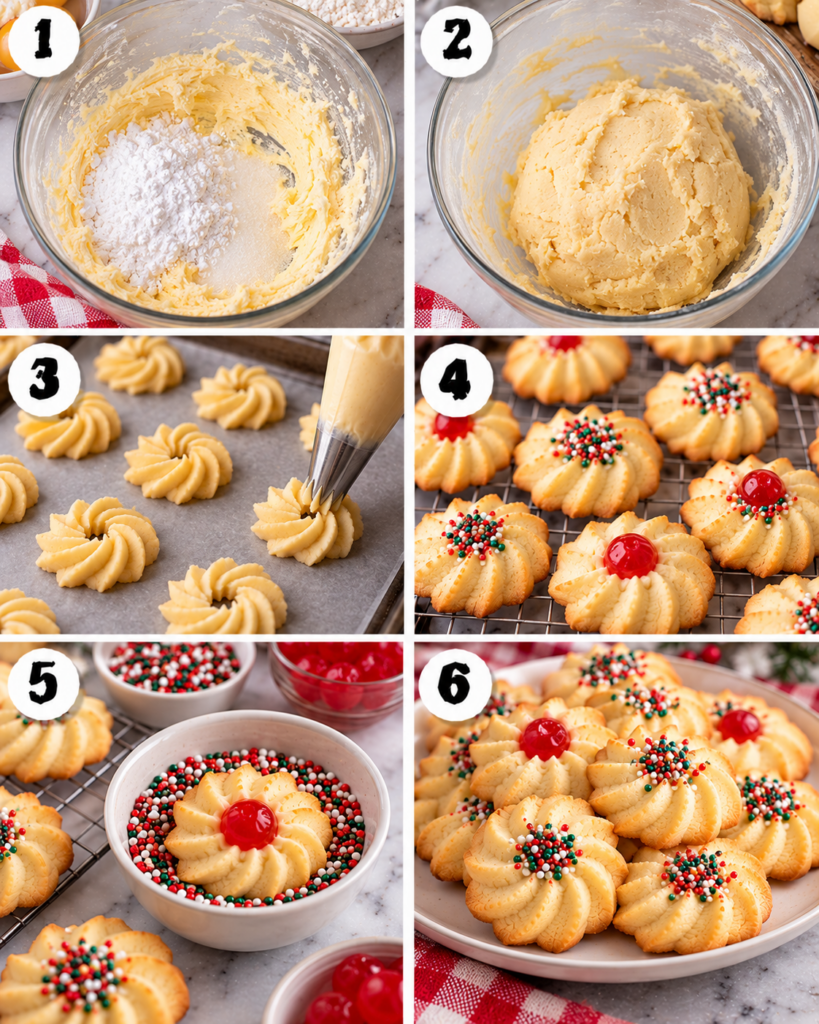
Understanding Cookie Spread
Some spreading is normal in many cookies, but excessive spreading can flatten decorative ridges or make separate cookies run together.
The best result preserves the intended shape while developing a pleasant texture. The tested recipe is the most reliable guide for that balance.
Why Cookie Size Matters
Larger cookies and smaller cookies can develop different textures. A delicate bakery-style cookie may have a different balance of crispness and tenderness depending on its size.
Keeping the finished cookies consistent also makes a gift box or dessert platter look more attractive.
Avoiding Dry or Crumbly Cookies
Italian butter cookies should be tender, but they shouldn’t feel dusty or excessively dry. A cookie that falls apart into fine crumbs can be difficult to enjoy, particularly when decorated.

Dryness may be related to the dough’s balance or the finished baking texture. A cookie that’s too firm may also lose some of the delicate quality that makes this style special.
Recognizing the Right Crumb
A good cookie should break cleanly when bitten and feel pleasantly rich. It may have a little crispness, but it shouldn’t feel hard or stale.
Some Italian bakery butter cookies are more delicate than others. The original recipe’s intended texture should determine what counts as a successful result.
Chocolate, Jam, and Sprinkle Variations
One of the nicest things about Italian butter cookies is how easily they fit into a colorful assortment. Different decorative finishes can make a single style of cookie look like several distinct treats.
These are familiar bakery variations, not ingredients confirmed in the original recipe.
Italian Butter Cookies Dipped in Chocolate
Chocolate-dipped butter cookies are popular because the rich chocolate complements the buttery base. The contrast also makes them attractive on a dessert platter.
The chocolate should enhance the cookie rather than overwhelm its delicate flavor.
Italian Butter Cookies with Jam
Jam-filled or sandwich-style butter cookies offer a different eating experience. The fruit adds sweetness and a little acidity, balancing the rich cookie.
The texture of the jam and the cookie both influence how well the finished treat holds together.
Italian Butter Cookies with Sprinkles
Sprinkles give butter cookies a festive look, especially around Christmas. They’re also useful when preparing colorful cookies for birthdays or celebrations.
The best decorations add visual appeal without distracting from the cookie’s flavor.
Serving and Gifting Ideas
Italian butter cookies are particularly good with espresso, coffee, or tea. Their rich flavor pairs nicely with drinks that aren’t overly sweet.
For holidays, arrange different shapes and finishes together on a platter. A mixture of plain and decorated cookies creates a bakery-style presentation without needing an elaborate dessert.
They also make thoughtful homemade gifts. Cookies that hold their shape and travel well are especially convenient for gift boxes, although filled or chocolate-coated versions may need more careful packaging.
Storage and Freezing
Store fully cooled, plain butter cookies in an airtight container in a cool, dry place. Their storage life depends on the recipe and whether they contain perishable fillings.
Decorated cookies may need additional care. Chocolate can soften in warm conditions, while some jam or cream fillings may require refrigeration.
Many plain butter cookies freeze well when properly packaged. Their delicate texture means they should be protected from crushing, and decorations may look different after thawing.
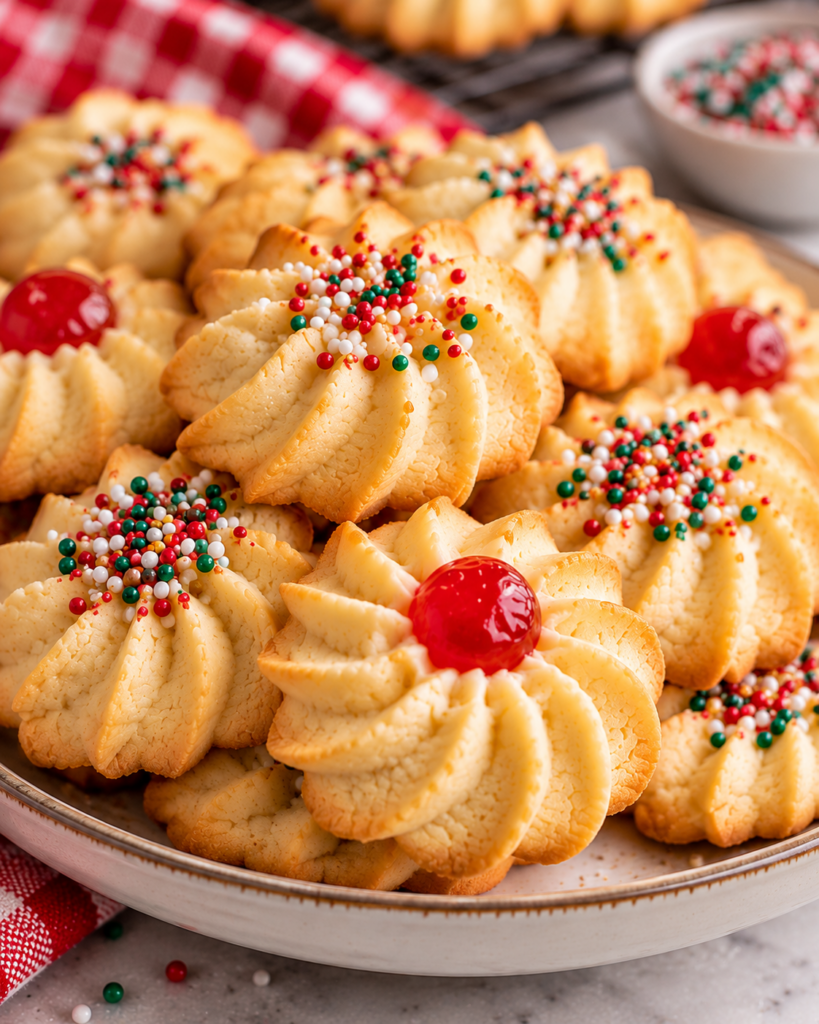
Frequently Asked Questions About Italian Butter Cookies
Are Italian Butter Cookies the Same as Shortbread?
They’re related in their buttery flavor, but they aren’t necessarily identical. Shortbread generally has a crumbly, sandy texture, while many Italian bakery butter cookies are designed for a slightly different tenderness and decorative appearance.
Why Did My Cookies Spread?
Excessive spreading can be related to the dough’s structure, the type of butter-rich cookie, or the baking conditions. The best way to identify the cause is to compare the result with the tested recipe’s intended shape and texture.
Can I Freeze These Cookies?
Many plain Italian butter cookies freeze successfully when carefully packaged. Cookies with fillings, chocolate, or delicate decorations may require different storage arrangements.
Final Thoughts
Italian Butter Cookies are a classic for good reason. Their rich flavor, delicate texture, and beautiful bakery-style appearance make them equally suitable for holidays and everyday treats.
Whether you prefer them plain or enjoy a decorated variation, the best cookies are tender, flavorful, and sturdy enough to enjoy without falling apart. The complete recipe is in the recipe card below.
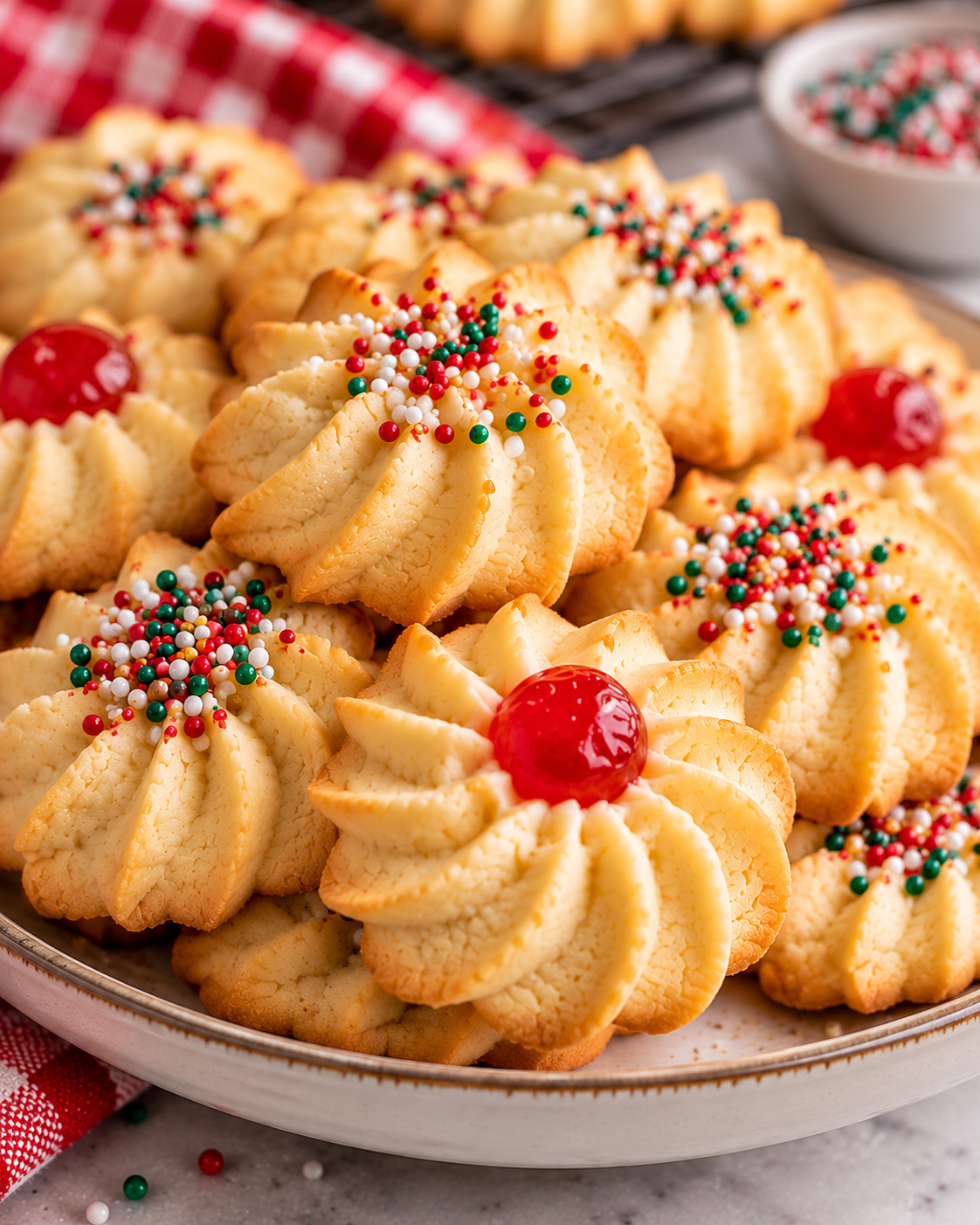
Italian Butter Cookies
Ingredients
Method
- Preheat the oven to 350°F (175°C).
- In a bowl, cream together the softened butter and sugar until light and fluffy.
- Add the vanilla extract and mix well.
- Gradually add the sifted flour and salt, mixing until combined.
- Using a piping bag or cookie press, pipe the dough onto a baking sheet lined with parchment paper.
- For shaped cookies, form the dough into desired shapes with your hands.
- Bake in the preheated oven for 12 to 15 minutes, or until the edges are lightly golden.
- Remove from the oven and let cool on the baking sheet for a few minutes before transferring to a wire rack.
- Once cooled, dip half the cookie in melted chocolate and sprinkle with decorations, or sandwich with fruit jam.