
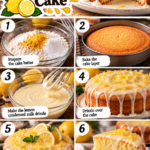
A good lemon cake should taste bright and fresh, with just enough sweetness to balance the citrus without masking it. Add sweetened condensed milk, and this is a dessert a little richer than an ordinary lemon drizzle cake, with a soft crumb and a wonderfully creamy sweetness.
This Lemon Condensed Milk Drizzle Cake is the kind of cake you want to have with a cup of tea in the afternoon. It doesn’t require fancy frosting or layers to be special. A simple lemon loaf with a flavourful drizzle can be just as satisfying as a more complicated dessert.
The trick is to ensure the condensed milk adds to the cake and doesn’t weigh it down. The lemon flavour has to be there, and the drizzle has to moisten the crumb but not make it wet or gummy.
Classic Lemon Drizzle Cake and Lemon Condensed Milk Cake
Lemon drizzle cake is a classic, with bright citrus flavour and a tender crumb. The finishing touch is often a lemon syrup or glaze which adds sweetness and moisture to the cake.
Lemon condensed milk cake makes it richer. The sweetened condensed milk adds sugar, milk solids and a creamy character that may alter the texture and sweetness of the cake.
Depending on the recipe, the result can be more substantial than a classic lemon drizzle loaf. That richness can be delicious, but it needs enough lemon flavour to bring the dessert into balance.
The drizzle also deserves some attention. Classic lemon syrup tends to be lighter and more tart, while a topping of condensed milk is usually thicker and creamier .
Both have their own charms. If you like a simple tangy lemon loaf, a classic drizzle cake is delicious. When you want something richer and indulgent, condensed milk adds a different character.
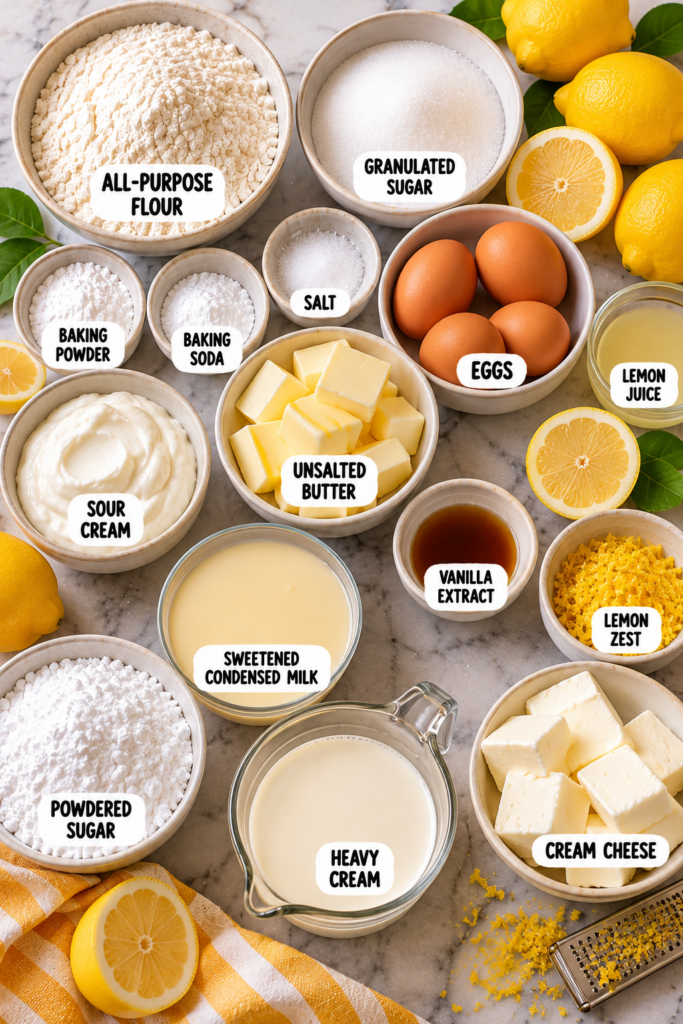
What does condensed milk do in lemon cake?
Sweetened condensed milk is made by removing most of the water from milk and adding sugar. This gives it a thick consistency and a concentrated sweetness.
It can add moisture, richness and a tender eating texture to cake recipes. What happens exactly will depend on the quantity used and the balance of the other ingredients.
Condensed milk already has a lot of sugar in it so you can’t use it in place of regular milk. Substituting one for the other can change sweetness and texture.
It can also affect browning. The colour of baked goods is affected by sugar and milk solids, so a cake made with condensed milk may perform differently than a normal lemon loaf.
The important thing is to match the condensed milk with the lemon. If the cake is all sweet, the citrus character can be lost.
How to Make the Moistest, Most Lemony Crumble
A moist lemon cake is all about the right amount of liquid, fat, flour and baking time. But more liquid isn’t always the answer; too much moisture can result in a dense or gummy crumb.
Lemon zest is especially useful for building up a citrus flavour. The peel contains aromatic oils that give a fragrant lemon impression but don’t add the same amount of liquid as juice.
Lemon juice provides acidity and tanginess, but how much depends on the other ingredients in the recipe. If the amount varies too much, the batter can be thrown off balance.
Another common problem is overbaking. A lemon loaf may look beautiful golden brown on the outside, but the edges can dry out, especially if you’re utilising a different sized pan or oven temperature than the recipe.
A cake should be tender and moist, but not sticky or underbaked in the knife. When sliced the crumb should hold together well.
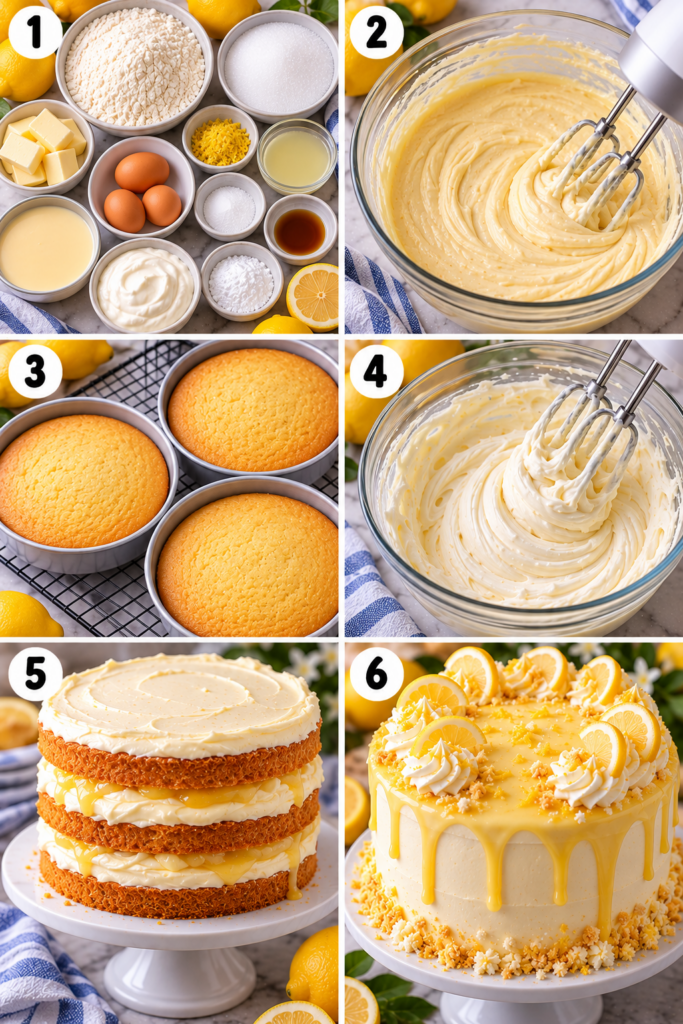
How to Make the Drizzle Soak In Just Right
A good drizzle should add flavour and moisture, but not make the cake soggy. The absorption depends on the consistency of the liquid and the condition of the cake.
A thin lemon syrup doesn’t act the same way as a thick drizzle of condensed milk. Syrup will seep into the crumb more easily than a thicker topping that may stay closer to the surface.
Cake temperature is also a factor. Some recipes are to be drizzled over the cake when still warm so the syrup can soak in, others need a cooled cake so the topping stays on display.
Too much drizzle can pool at the bottom of the pan or make the center too wet. Especially in the case of condensed milk, which has a thicker, sweeter character than merely a simple lemon syrup.
The best finish leaves a definite lemon taste in the cake, but it still has a tender, sliceable crumb.
Lemon Glaze or Condensed Milk Drizzle Which is Better?
A classic lemon glaze is generally sweet-tart with a bright flavour, and it can set into a thin coating on the surface. A lovely choice for a clean finish. Loads of citrus.
And the drizzle of condensed milk is denser and creamier. Depending on the formula, it may not harden into a firm shell but remain softer.

How sweet and rich the cake already is will determine what you choose. A more robust lemon glaze might be good for a condensed milk cake to provide contrast, while a less assertive cake can take a richer drizzle.
And presentation is key as well. The thin glaze gives it a nice finish and a thicker topping of condensed milk makes it a more indulgent look.
Neither is inherently better. The right choice is something that complements the flavour and texture of the cake underneath.
Can I Make Lemon Condensed Milk Drizzle Cake Ahead of Time?
Lemon loaf cakes are a great make ahead option because they require no complicated last minute assembly. Their flavour can still be good when they cool if they are kept right.
The drizzle dictates how well the cake holds up. A syrup-soaked cake may soften in storage; a thick glaze may change texture and become sticky.
If you’re baking for a group, think about whether the topping is something that should be added immediately or closer to serving time. That should be as per the method of the recipe.
Plain cake without perishable toppings can usually be stored covered for a short period of time, but toppings made with condensed milk may require different storage instructions. Follow the directions for the finished recipe and don’t assume that every lemon loaf is shelf stable.
For longer storage, the plain cake may be suitable for freezing. Glazes and drizzles will vary after thawing, so freezing the individual ingredients may yield a better result.
Frequently Asked Questions Lemon Condensed Milk Drizzle Cake
Can I get a substitute for condensed milk?
No, not as a direct substitute. Sweetened condensed milk is full of sugar, and evaporated milk is unsweetened and has a different consistency. Trading them out can significantly change the cake’s flavour and texture.
Why does my lemon cake have a dense texture?
Density can be caused by proportions of ingredients, over mixing or an under baked center The condensed milk adds also to the richness so the cake might naturally have a tighter crumb than a very light sponge. Tenderness, not fluffiness, is the goal.
Can I use bottled lemon juice?
Some recipes allow for bottled lemon juice but fresh juice will typically give a brighter flavour. Fresh lemons also give you zest which adds a lot of citrus aroma. If the recipe is counting on a certain acid balance, follow the recipe and not an untested substitution.
Why did my drizzle make the cake wet?
The drizzle was either too thin or too much or was applied when the conditions were such that more liquid was pooling than the cake could absorb. And a thick, condensed milk topping behaves differently than a light syrup. The quantity and consistency should be as per recipe.
Can you freeze lemon condensed milk cake?
Most simple lemon cakes do a reasonable job of freezing, but the recipe will determine the final texture. A drizzle or glaze of condensed milk may alter after freezing. The recipe has directions for freezing, if you wrap the cake carefully it will keep its quality.
Conclusion
Lemon Condensed Milk Drizzle Cake is a lovely option when you’re in the mood for a lemon dessert with a little extra richness. The condensed milk adds creamy sweetness and the citrus keeps the flavour fresh and lively.
The best version isn’t the wettest cake or the sweetest cake. It’s one with a tender crumb, distinct lemon flavour and a drizzle that enhances without drowning out every slice.
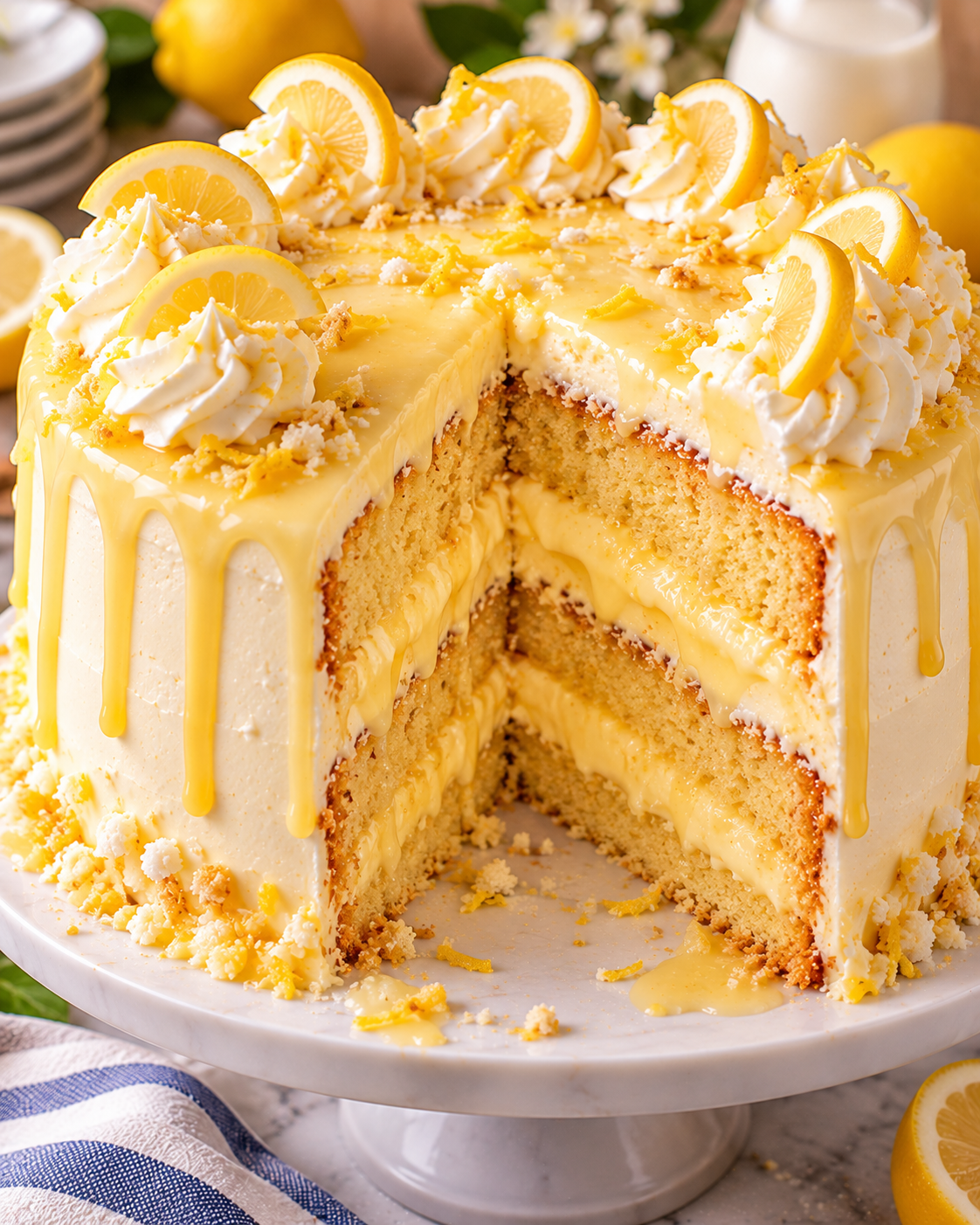
Lemon Condensed Milk Drizzle Cake
Ingredients
Method
- Preheat the oven to 350°F (175°C). Grease and flour a loaf pan.
- In a large mixing bowl, cream together the butter and sweetened condensed milk until light and fluffy.
- Beat in the eggs, one at a time, incorporating well after each addition.
- Add the vanilla extract, lemon juice, and lemon zest, mixing until fully combined.
- In a separate bowl, whisk together the flour and baking powder.
- Gradually add the dry ingredients to the wet ingredients, mixing until just combined.
- Pour the batter into the prepared loaf pan, smoothing the top.
- Bake in the preheated oven for 50-60 minutes, or until a toothpick inserted in the center comes out clean.
- Let the cake cool in the pan for 10 minutes before transferring to a wire rack to cool completely.
- Once the cake has cooled, prepare the drizzle by mixing together the condensed milk and lemon juice.
- Drizzle the mixture over the cooled cake, allowing it to soak in.